



Europe-Russia: Balance of Power Review

European countries can no longer avoid the "Russian question," as Russia has chosen war. They have the necessary potential—that is, the economic means, military capabilities, and technological expertise—to face Russia by 2030, provided they demonstrate the political will to do so.
This is the finding of this report, conducted by the French Institute of International Relations (Ifri) with the guidance of a Steering Committee composed of nine directors of European think tanks and two qualified experts to oversee it. It provides an interdisciplinary assessment of the evolving power balance between Europe and Russia as of November 2025. It focuses on four domains: the economic fronts, in particular the energy sector; strategic postures and military capabilities; political and social resilience; and international positioning and alliance systems. The findings confirm that Russia constitutes a long-term threat driven by aggressive intentions and a strategic dispute over the security order.
Titre
Key takeaways
Russia has managed to maintain its macroeconomic stability, but is now heading toward a very damaging stagflation in the medium term. The country is investing almost exclusively in the war effort. Europe managed to absorb the shock of energy decoupling by maintaining its unity and improving its geoeconomic integration. It is rethinking in industrial terms, while maximizing its complete integration into international financial circuits.
Completely bogged down in Ukraine, Russia is waging a war of attrition at the cost of considerable losses. In doing so, it maintains a confrontational stance with the European countries that support Ukraine. Moscow places the nuclear factor at the heart of its escalation logic in order to inhibit them. Their weak point lies in the terrestrial domain where Russia possesses the advantage of mass and firepower. Conversely, in the air, naval, spatial, and cyber domains, European countries retain the advantage.
Decision-making is concentrated by Vladimir Putin, whose current mandate runs until 2030. Enduring, Russian society has settled into the war which, according to the official discourse, is intended to favor the emergence of new elites. In reality, human losses are suffered by the poorest regions of the Federation. European countries remain committed to a logic of openness to globalization. European public opinions largely support Ukraine, understanding that a question of societal model is indirectly at stake on the continent.
Russia benefits from the military support of North Korea and Iran, and the backing of the People’s Republic of China. While condemned by many countries, it faces sanctions only from the West. Diplomatically, the war serves to fuel a "post-Western" discourse that resonates in the "Global South," even though Russia's contribution to development aid is negligible compared to that of Europe. The war has strengthened the ties between the EU and NATO with the accession of Sweden and Finland. The prospects for enlargement appear to be powerful levers for the transformation of the continent.
Titre Edito
The Economic Fronts
The Economic Fronts
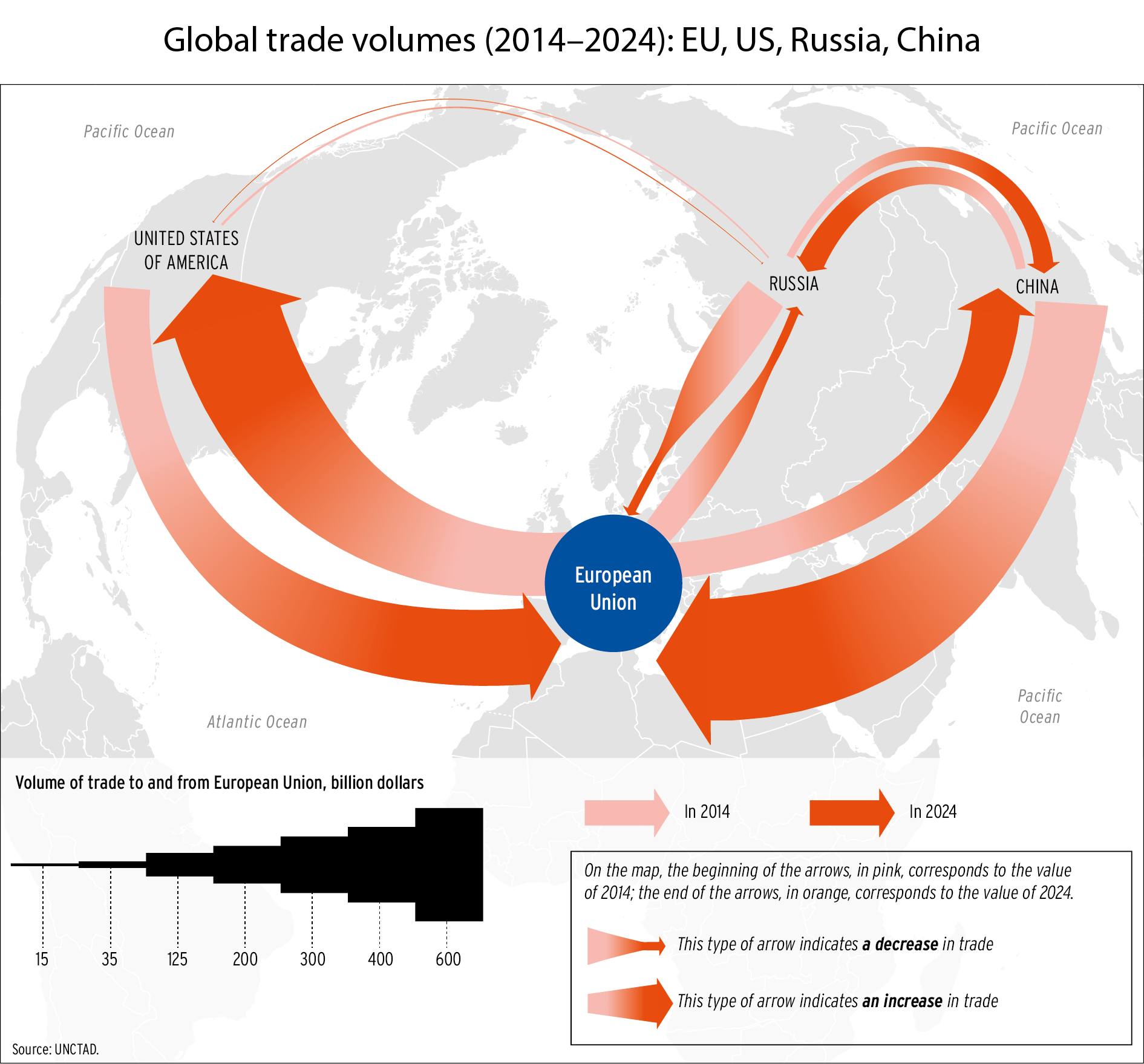
1) Despite the unprecedented sanctions imposed on Russia, its macroeconomic situation appeared, at first glance, robust during the 2022– 2024 period: GDP growth reached 4.3% in 2024, and the decline in trade with European countries was offset by fast-expanding trade, notably with China. High commodity prices, successful sanction circumvention and disciplined fiscal spending contributed to this initial stability.
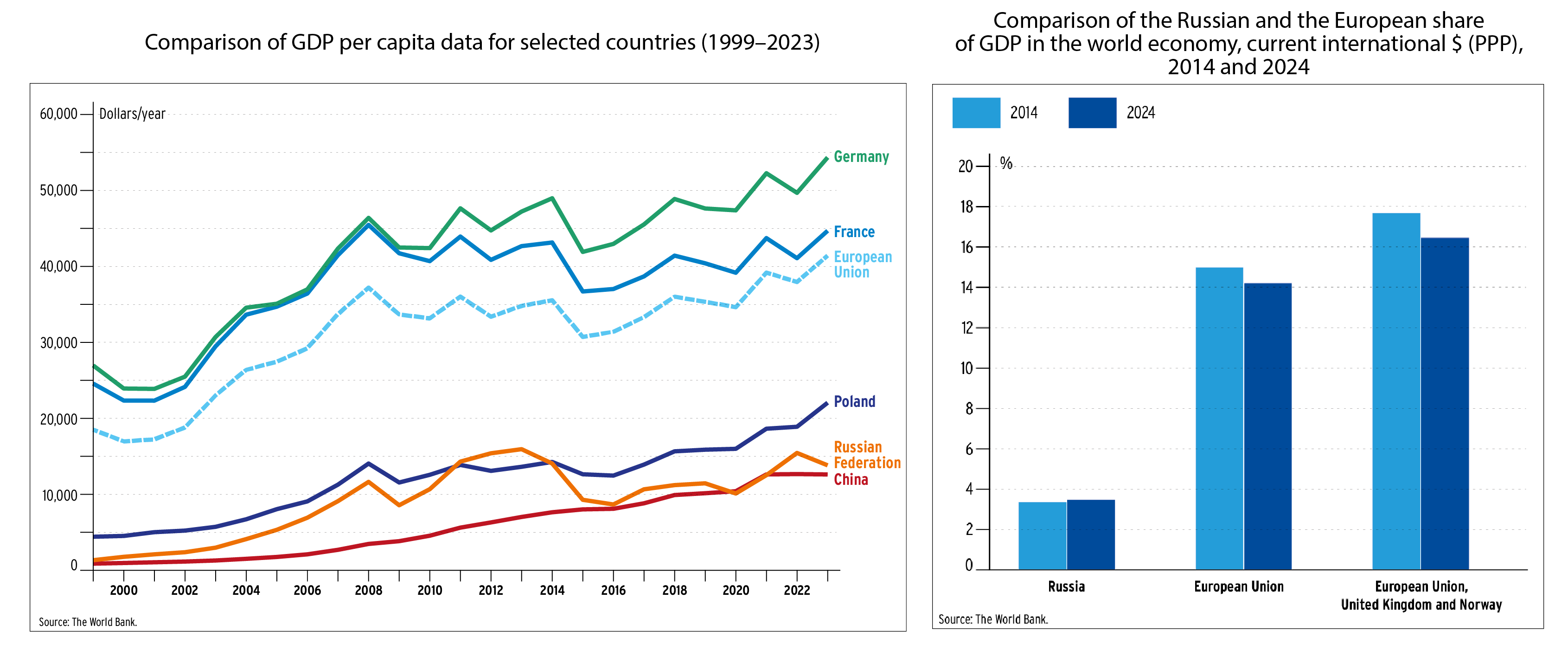
2) However, Russia’s economic momentum culminated by the end of 2024, and the country is now drifting into stagflation. This decline is evidenced by widening imbalances, including rising inflation (the Central Bank rate reached 21% for almost three quarters), a growing budget deficit (expected at -2.6% in 2025), and the rapid shrinkage of the liquid portion of the National Wealth Fund (down to $31.5 billion in June 2025).
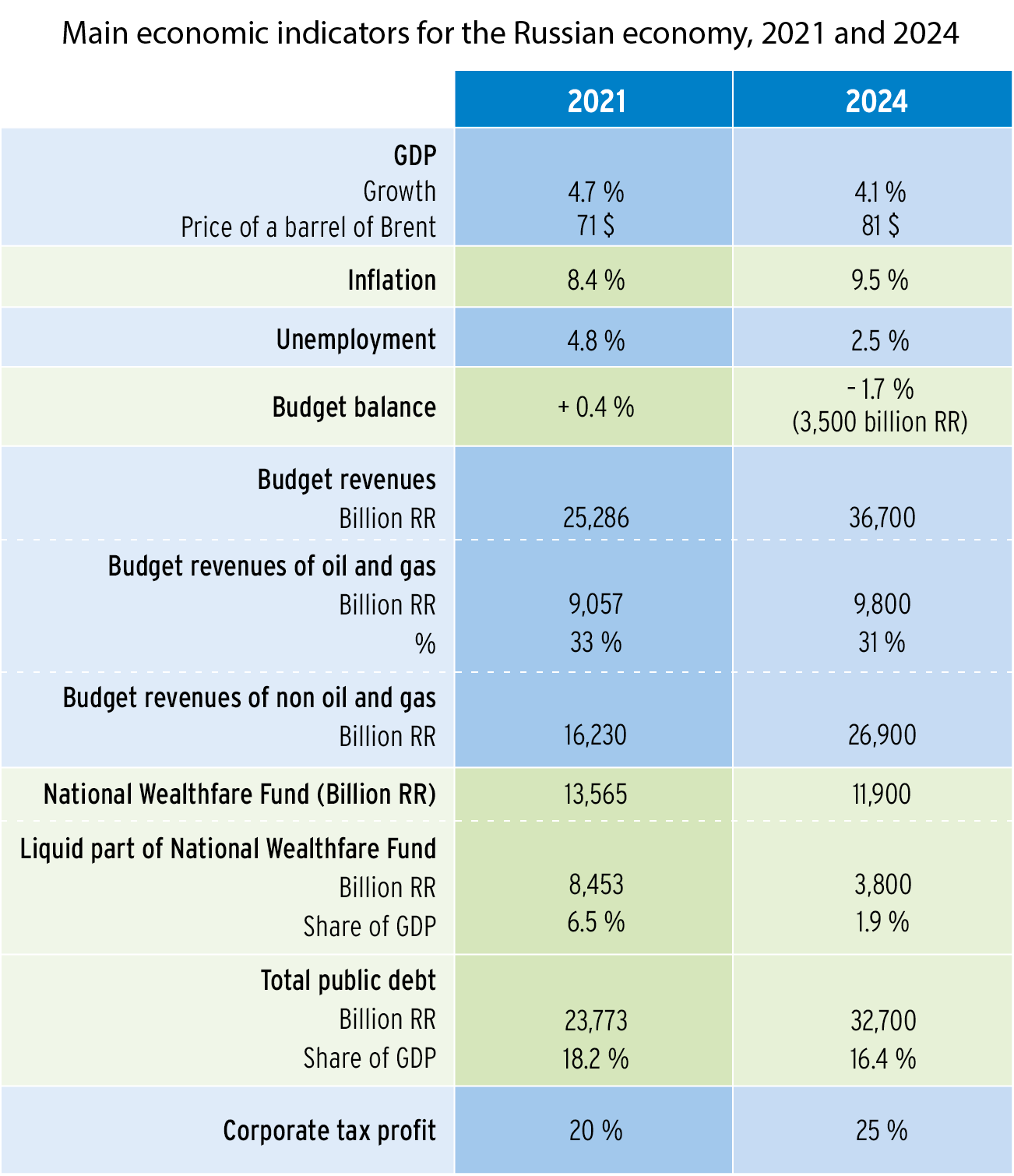
3) The long-term outlook for Russia is bleak. Its modernization potential is curtailed, and its economy is expected to slow down severely, becoming increasingly reliant on China. Crucially, Russia’s gas sector will not recover from the loss of the European market, translating into an estimated export revenue loss of €160 billion over the 2025–2030 period for Gazprom.
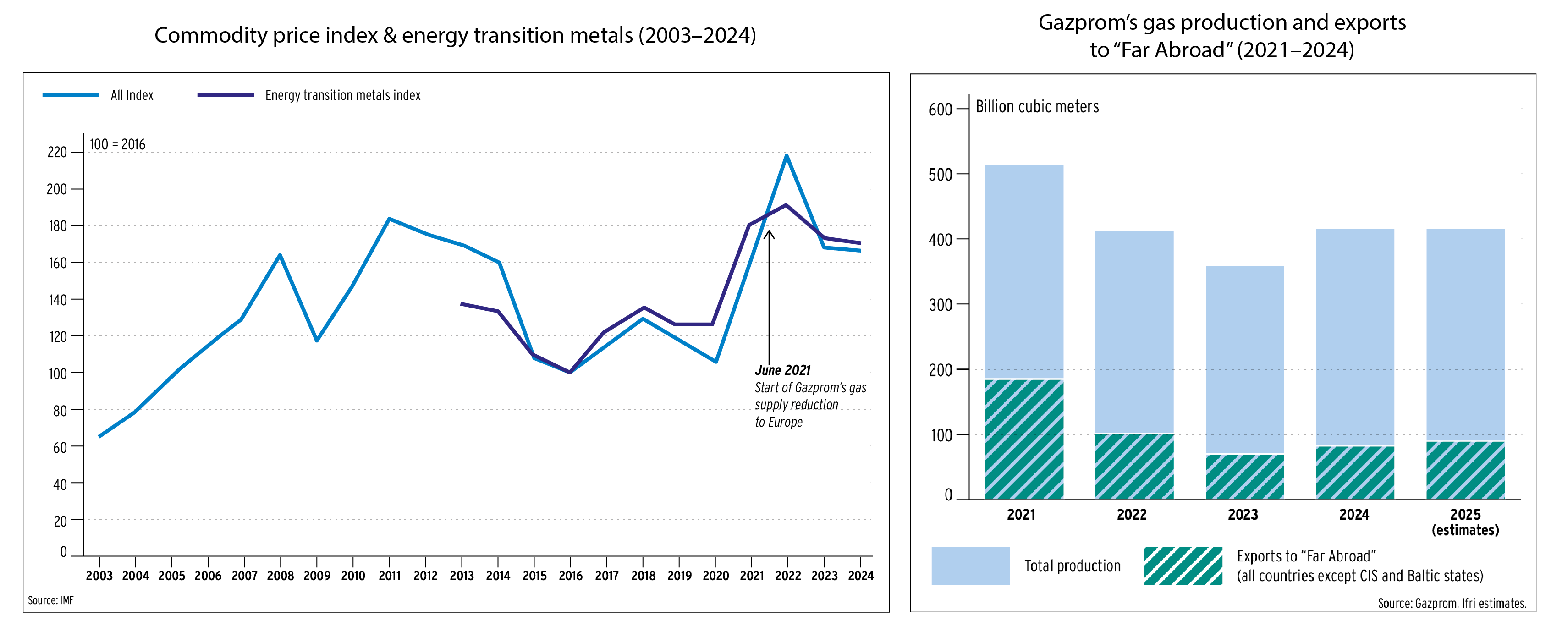
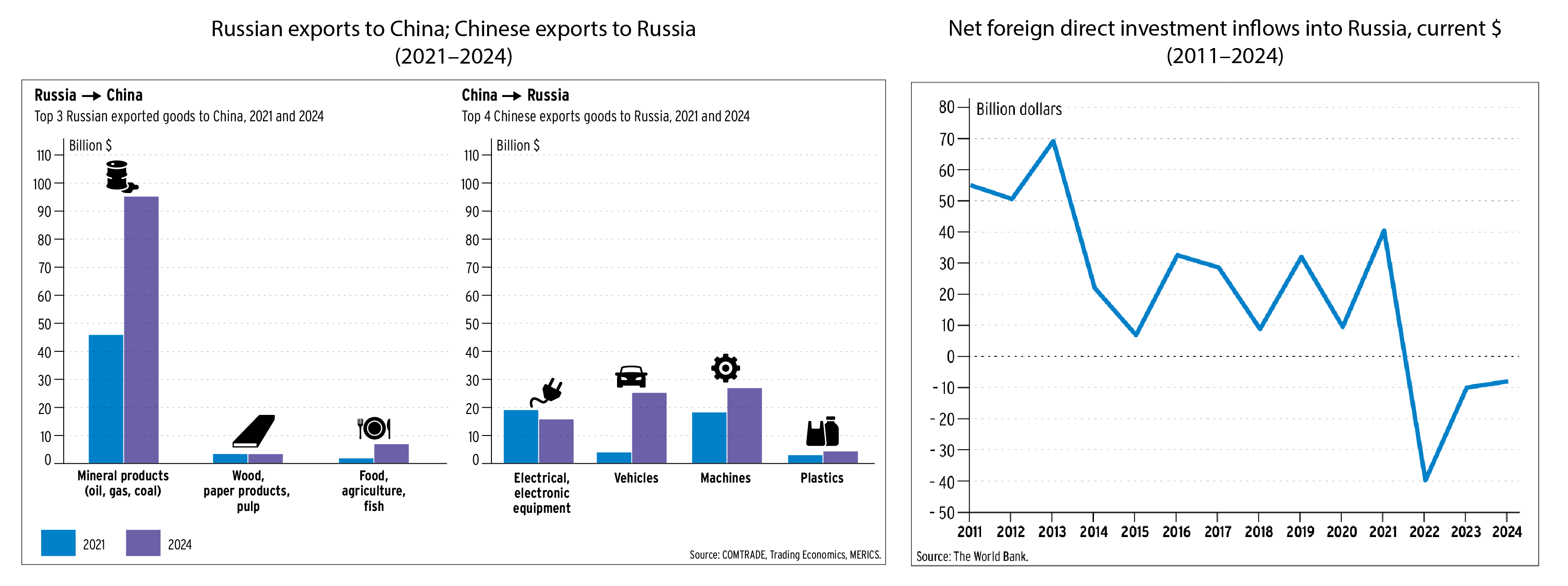
4) Russia’s overall economy is gradually adopting features comparable to those of the Iranian economy, combining limited modernization with longterm stagnation. Although Russia’s ability to sustain the war effort is by no means exhausted, particularly if oil prices remain stable, lower prices or additional strict sanctions would make the situation more precarious.
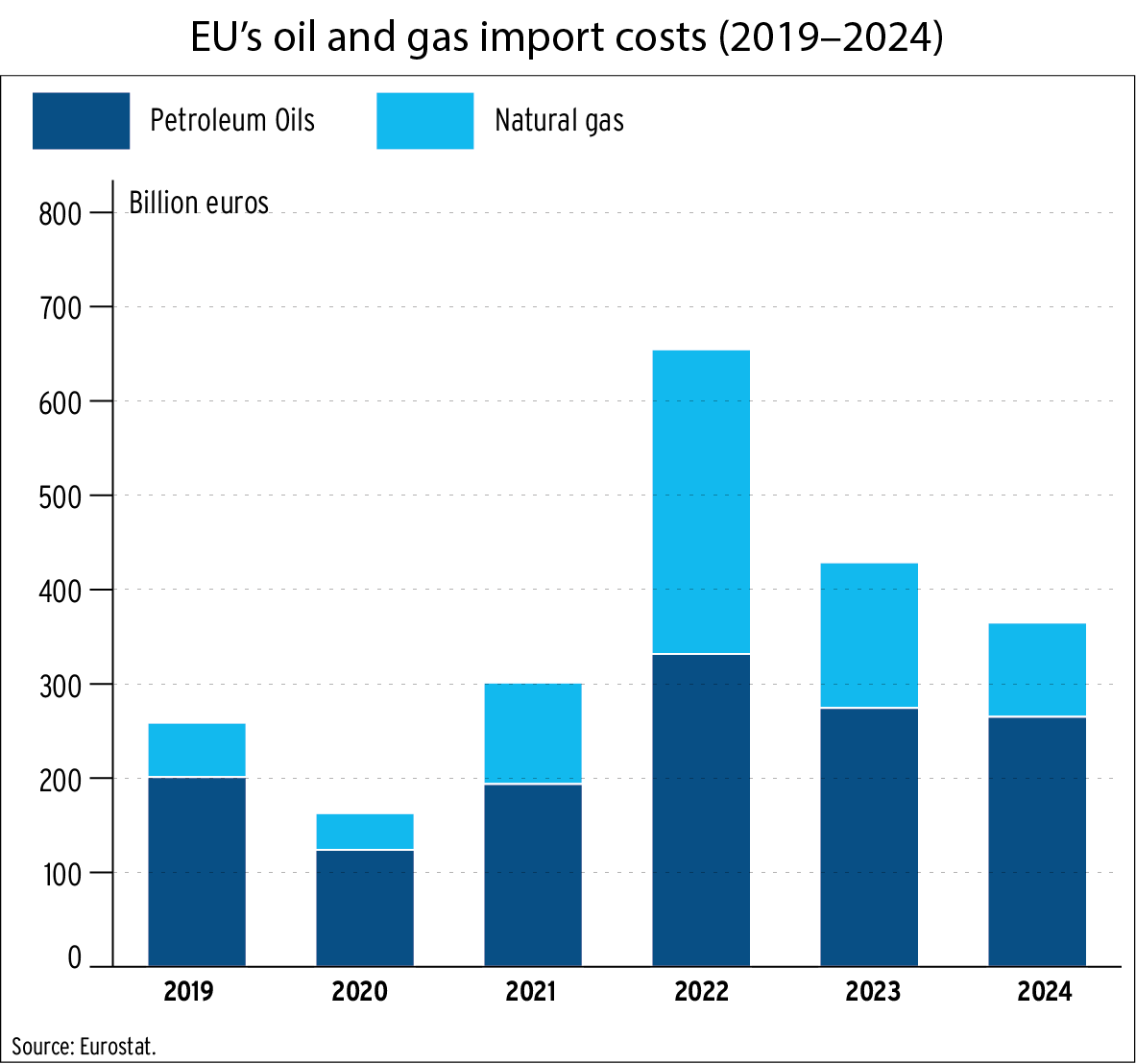
5) Europe, for its part, has absorbed the shock of the energy decoupling. Fossil-fuel import bills have halved compared to 2022 levels, representing over €250 billion in annual savings for European countries. Europe is implementing an unprecedented paradigm shift in industrial policy (e.g. Critical Raw Material Act, Net Zero Industries Act, Clean Industrial Act), strengthening both its resilience and its competitiveness. By 2030, Europe is positioned to become the world’s most electrified economy and a global climate frontrunner.
Titre Edito
Defense and National Security
Defense and National Security
6) The Europe/Russia confrontation rests on a profound asymmetry in the perception of threats and strategic intentions. Europe’s posture is essentially defensive and deterrent, based on respect for international law. While Russia presents itself as a fortress besieged by a hostile West, it simultaneously seeks to reaffirm its domination over its former sphere of influence and build a new European security architecture.
7) While not excluding the possibility of a large-scale offensive against NATO, Russia has adopted an expanded conception of warfare. When indirect measures fail to subdue its opponents, they are intended to prepare the ground for an open military campaign, designed to be brief, intense and decisive. The Russian strategy, which is permanent, cross-domain and coercive, aims to influence the West’s risk assessment and paralyze its decision-making by instilling the fear of escalation. Up to now, two major factors have contributed to deterring Russia from open military aggression against the Euro-Atlantic area: first, NATO cohesion, in which Washington’s commitment is a key factor, and secondly, the continued resistance of Ukraine, which is mobilizing the major part of Russian military power. Should either of these two factors weaken, the risk of an open armed confrontation between Russia and Europe, whatever the scale, would increase considerably.
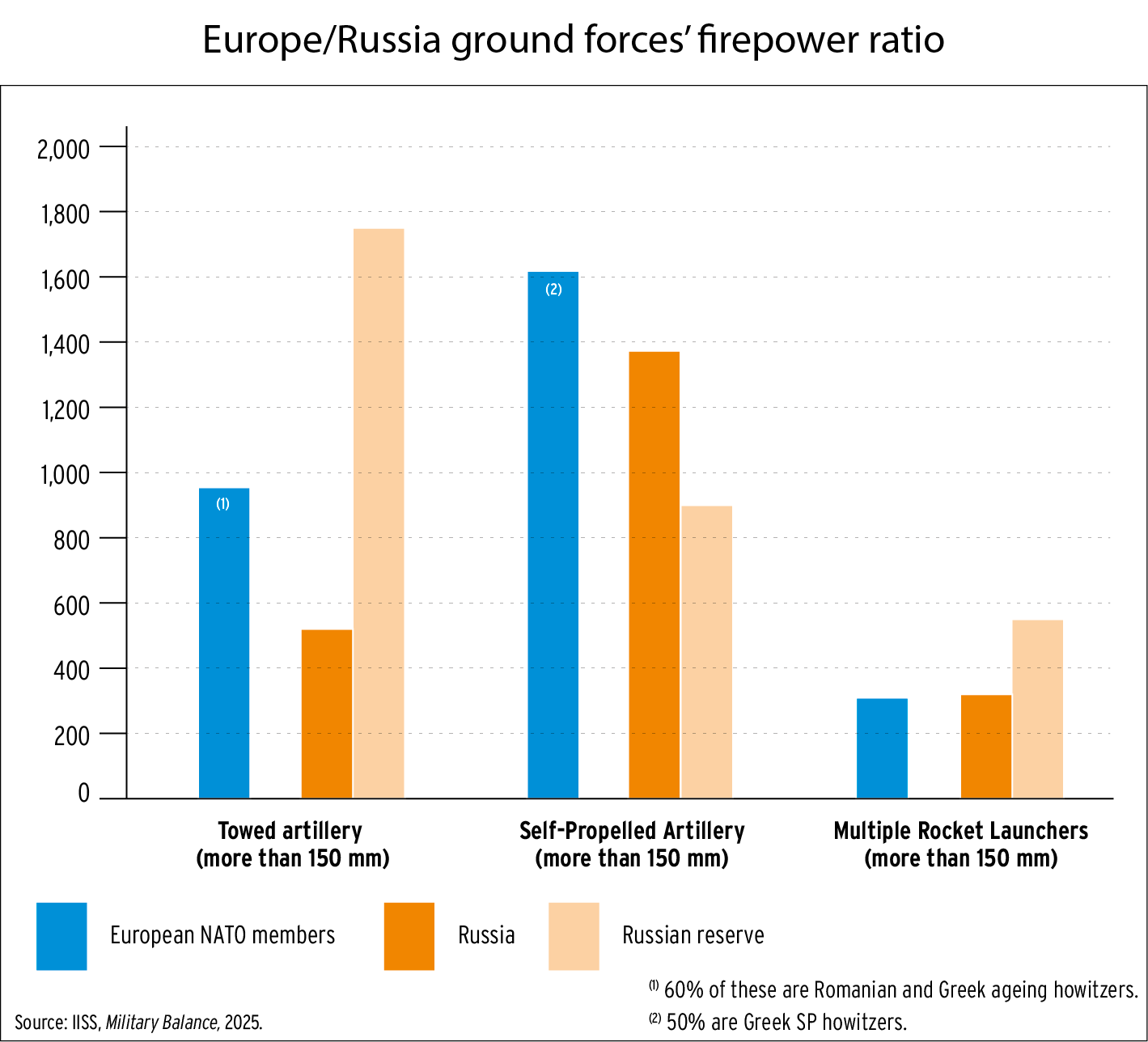
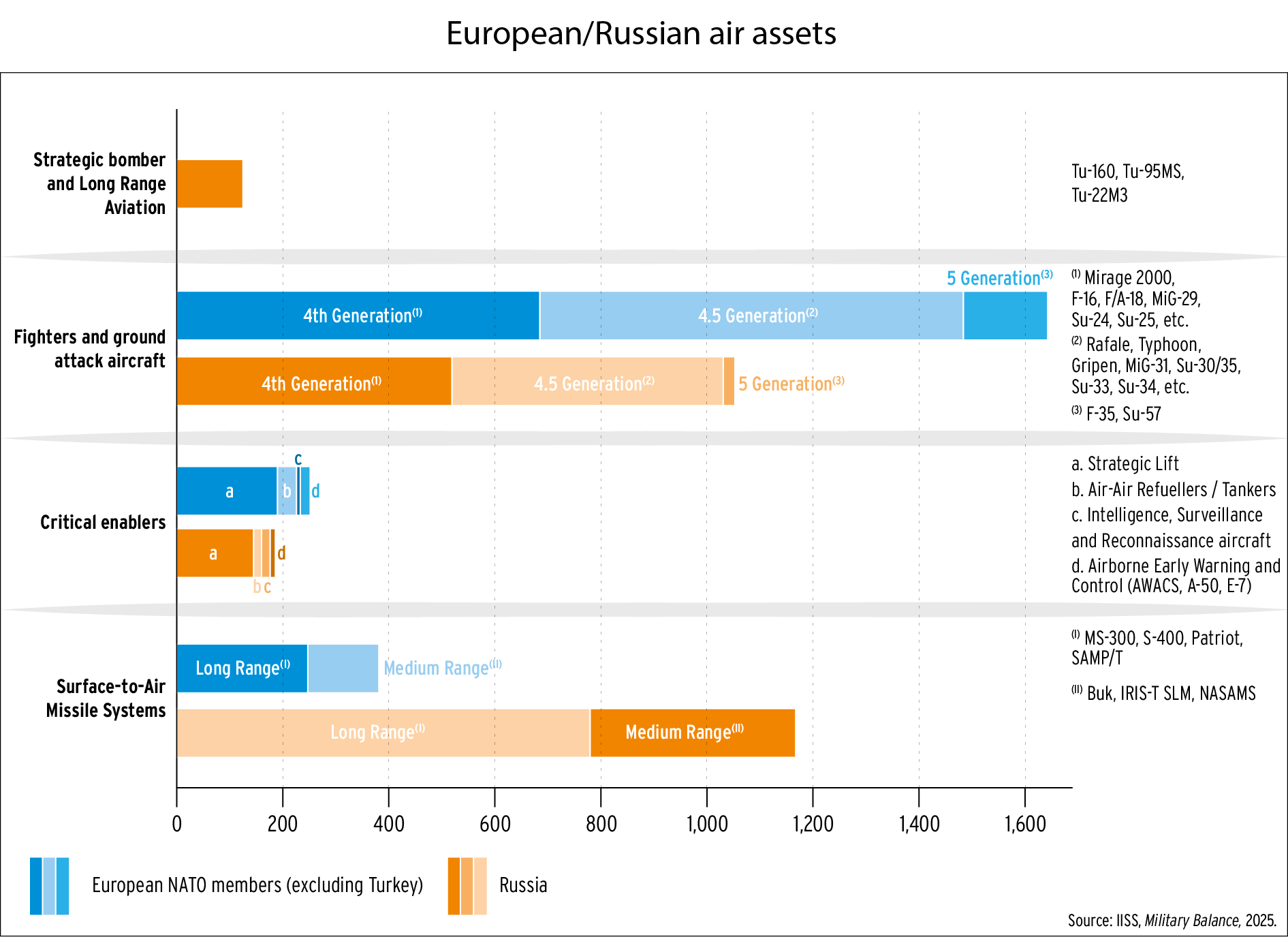
8) Analysis of the balance of power shows that the land domain remains Europe’s weak point. Even though Europe maintains a qualitative advantage in training, command and combined arms tactics, Russia has a decisive advantage in terms of mass, firepower, mobilization capacity and tolerance for attrition. In the air domain, Europe benefits from a clear quantitative and qualitative superiority. However, without massive support from the United States, maintaining European air superiority would require addressing deficits in terms of stocks, integrated air and missile defense, and capabilities to neutralize enemy air defenses. At sea, in space and in cyberspace, Europe also holds the advantage, provided it exploits this by shifting the confrontation into these domains, where Russia’s ability to deny or obscure its actions is more limited.
9) The nuclear factor remains central to Moscow’s escalation strategy. Faced with various failures since the beginning of the war in Ukraine, Russia has adapted its posture by supplementing its nuclear rhetoric with more tangible deterrent measures, as demonstrated by the decision to deploy tactical nuclear weapons in Belarus. Furthermore, in its new nuclear doctrine, Russia has reduced the conditions required to justify nuclear use, extending them to conventional conflicts against non-nuclear states – especially when those states are allied with, or supported by, nuclear powers. Currently, the American, French and British deterrent postures have the effect of protecting Europe from Russian nuclear intimidation and blackmail. However, should the credibility of the United States’ extended deterrence be seriously undermined or fail, Europe would suffer from a strategic imbalance with Russia.
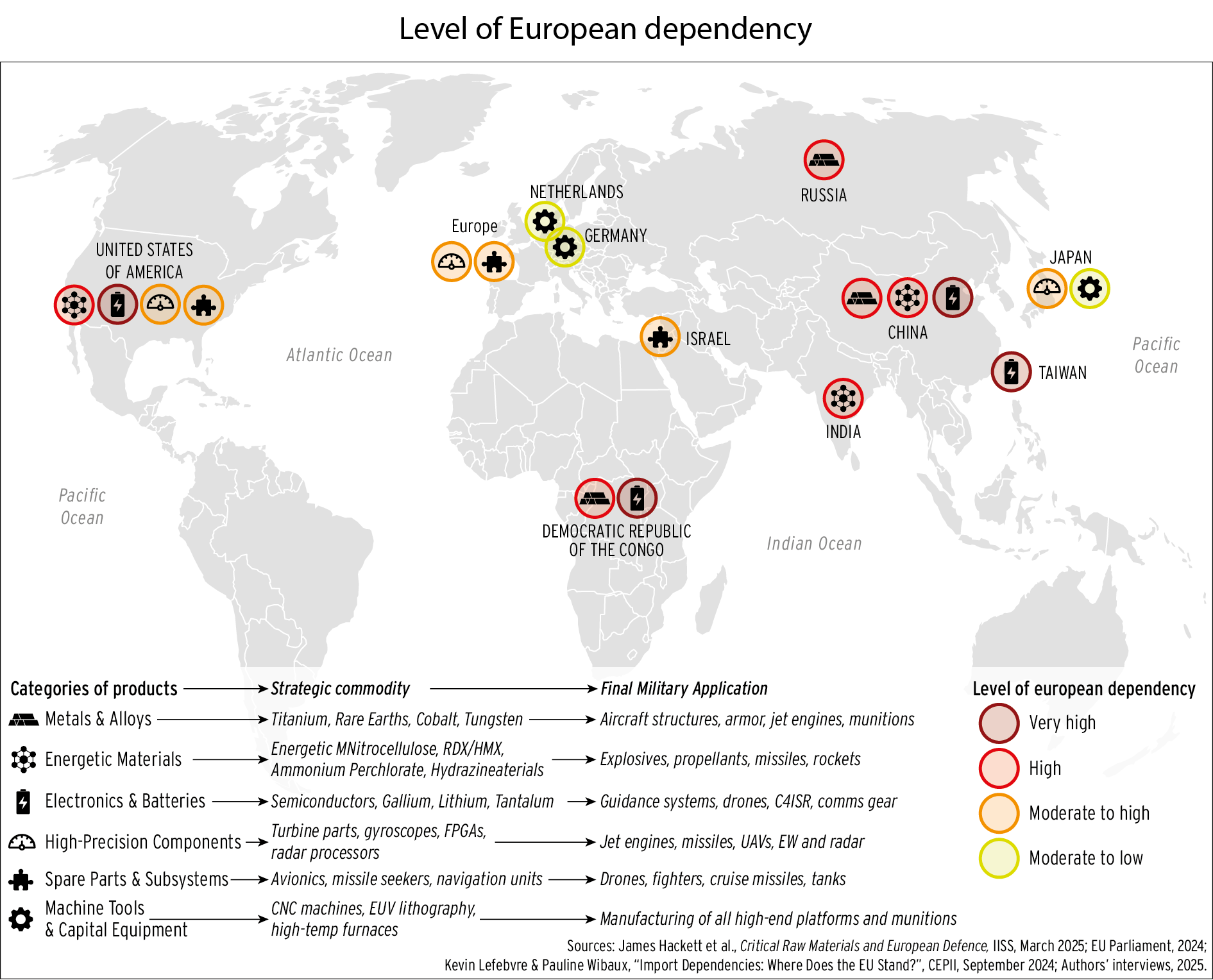
10) Europe is a magnet for all forms of exchange and movement. While its “strategic rear” is highly diversified due to its integration into the global economy, it is also more exposed. Europe depends heavily on supply chains that are vulnerable to geopolitical disruption and on increasingly uncertain transatlantic support. Meanwhile, Russia relies on an anti-Western axis that is rapidly disengaging from networks dominated by the West.
11) While Russian strategists rely on the cumulative effects of indirect actions, the most important role is assigned to the psychological-informational component. Considered potentially comparable to the effects of large-scale troop deployment, the psychological-informational impact is not limited to opportunistic manipulation or disinformation operations but aims to transform individuals and societies over the long term, on both emotional and psychological levels. Although Europe's responses so far have been defensive and fragmented, there is now a growing recognition of the need to address this psychological and informational front more coherently.
Titre Edito
Political Systems and Societal Resilience
Political Systems and Societal Resilience
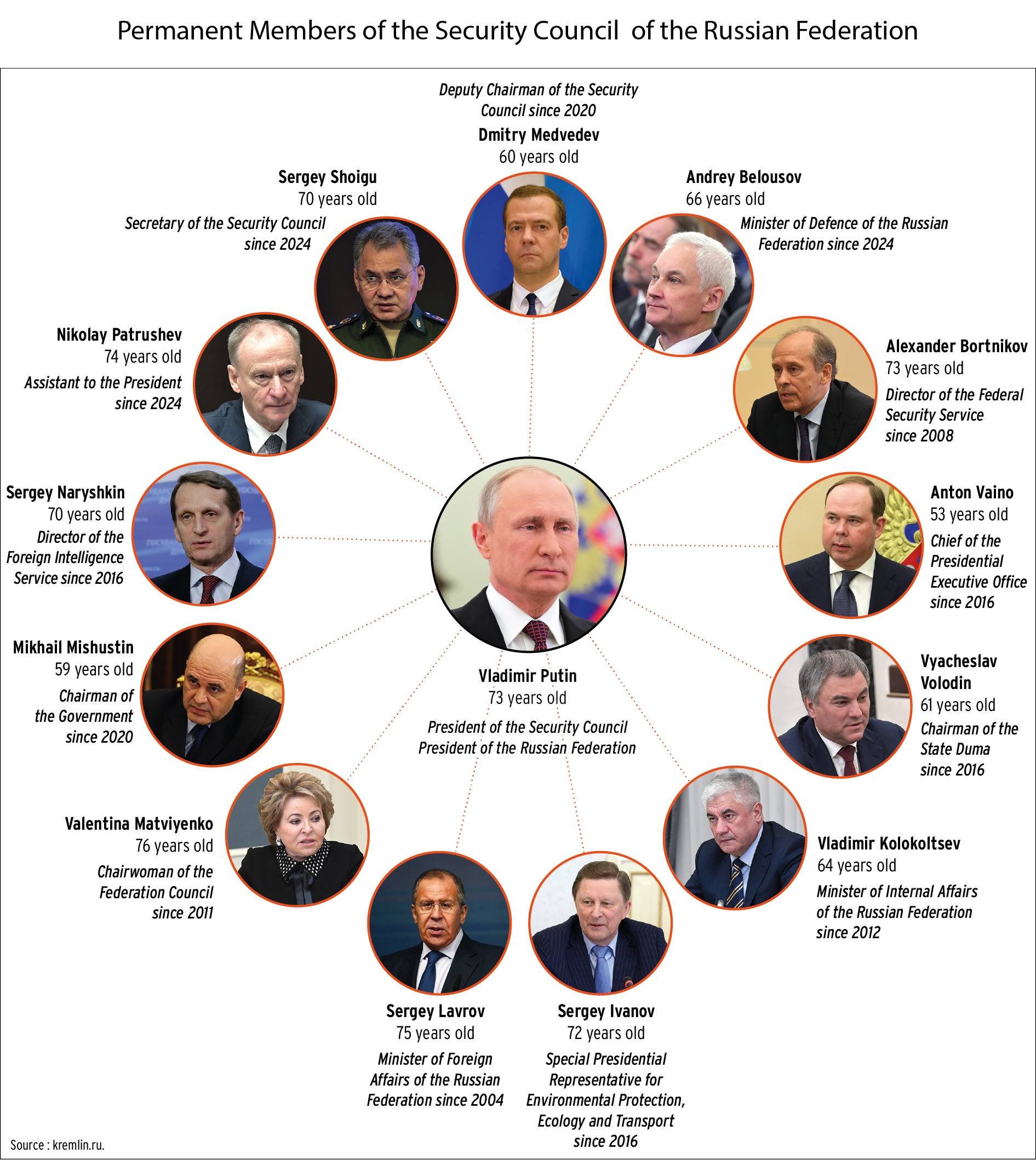
12) The Russian state functions based on a consolidated authoritarian system, centralizing decision-making among a circle of individuals, many of whom originate from the security services (siloviki). The consequence of this is the extreme weakness of institutions and the absence of clear prospects for alternation in power. Europe relies on pluralism, supranational and national institutions, and open public debate; although slower in its responses, this diversity guarantees its legitimacy and long-term capacity for adaptation.
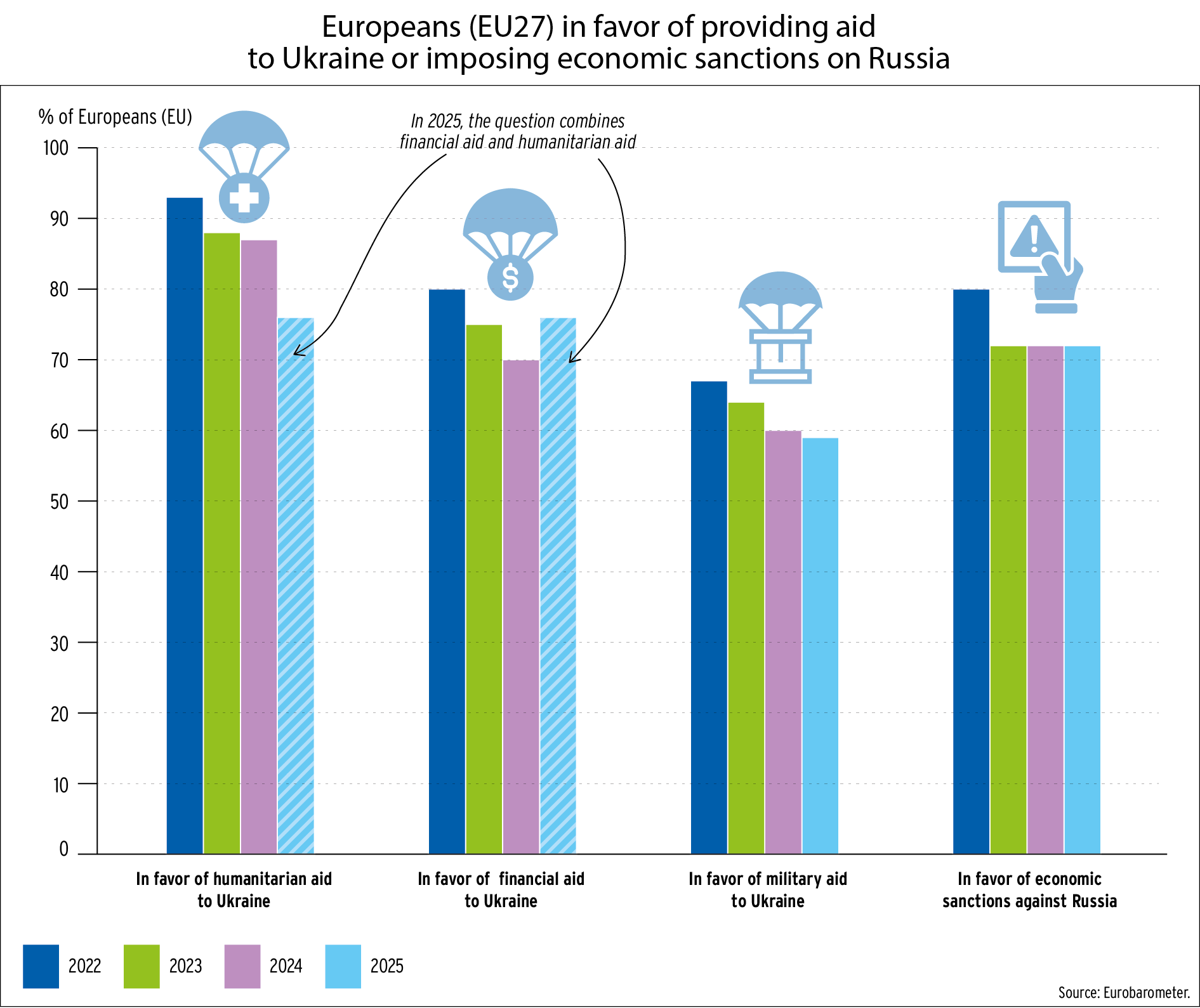
13) Russian society demonstrates endurance in the face of war. Social stability is ensured by intense propaganda, severe repression and generous payments to recruits, originating mainly from peripheral regions. However, while 70–80% of the population claims to support the “special military operation”, fatigue is gaining ground, particularly among the younger generations. Europe has managed to strengthen its solidarity, and, despite economic sacrifices, benefits from strong attachment to the democratic model.
14) Russia faces accelerated aging and demographic decline, worsened by war and exile, poorly integrated immigration, and hostility toward migrants. Europe, although also experiencing demographic stagnation, remains more attractive and open to immigration, despite the rise of populism.
15) The Russian regime appears stable in the short term thanks to the total control of elites and society, but remains exposed to risks of chaotic transition should power change hands. Europe, meanwhile, is vulnerable to internal crises but benefits from democratic resilience and an attractive way of life, with a limited risk of short and medium-term implosion thanks to the capacity to overcome crises collectively.
Titre Edito
Alliances and International Positioning
Alliances and International Positioning
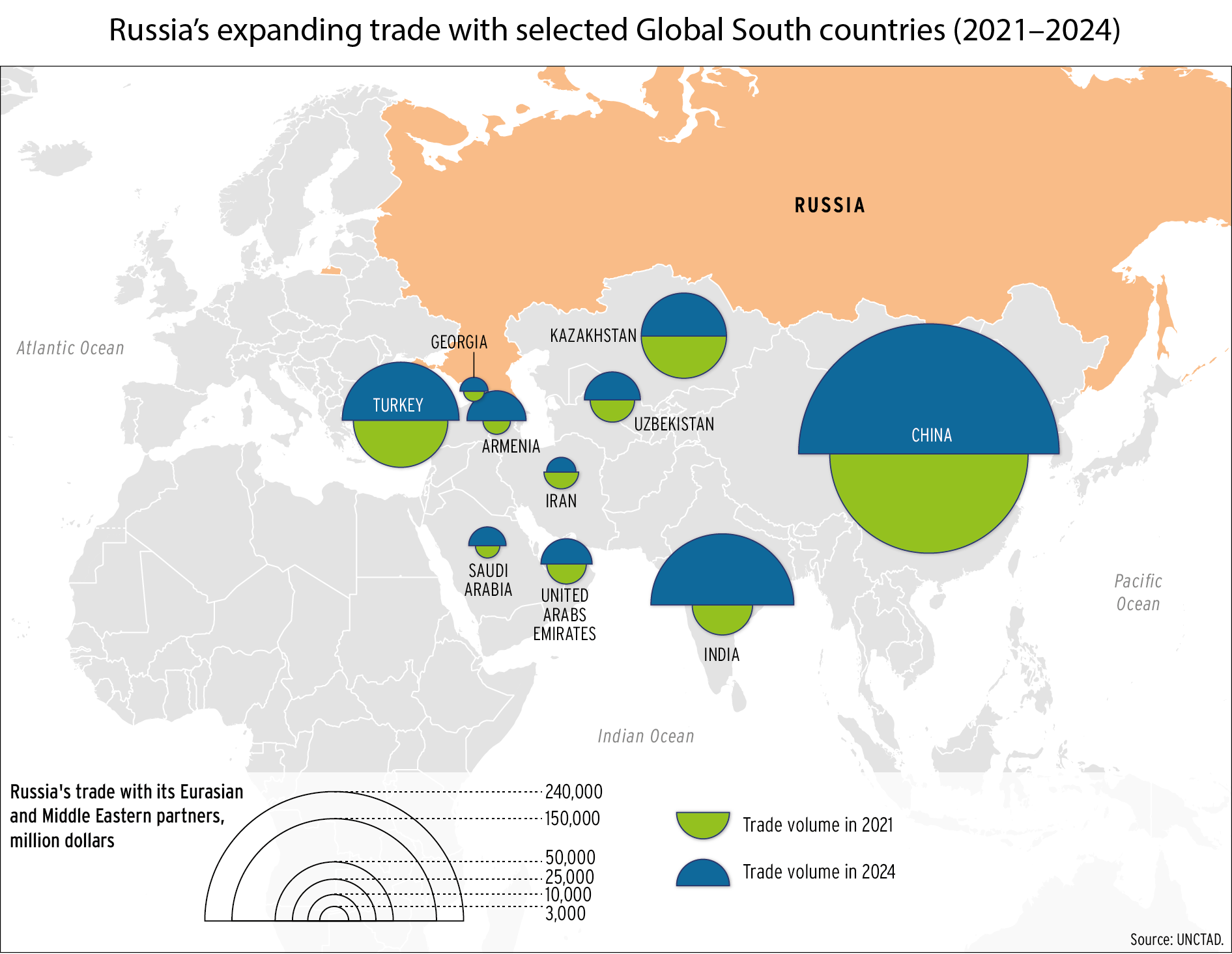
16) Russia has an international network whose core consists of bilateral partnerships with anti-Western regimes. Iran and North Korea supply it with crucial military equipment, while China remains its principal political and economic backer. Numerous facilitating countries help it circumvent sanctions, and it has multiple sympathizers in the “Global South” and even within Europe (Hungary, Slovakia). However, many of these relationships are transactional and fragile.
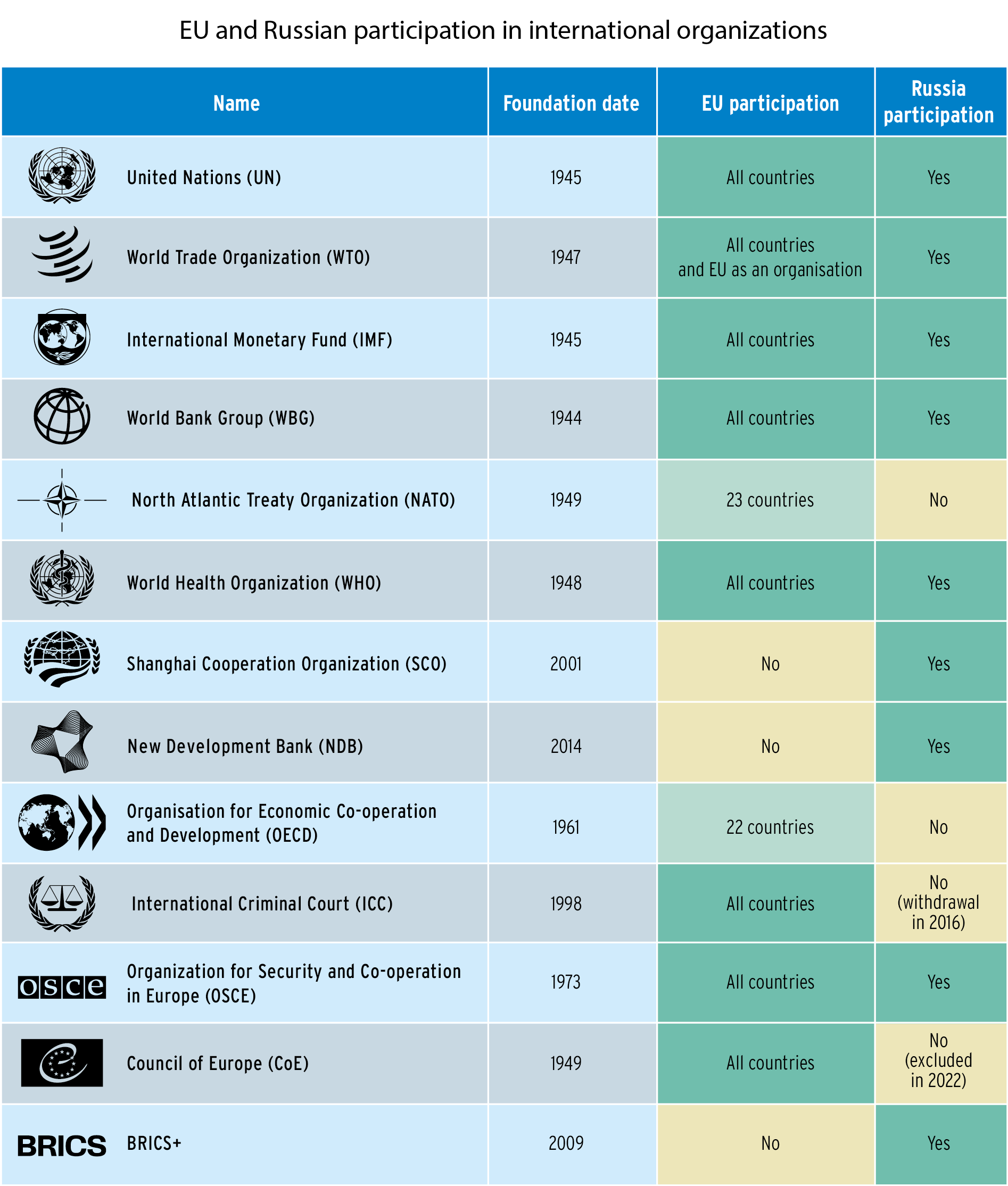
17) The European Union relies primarily on its core strategic alliances: NATO, numerous economic and strategic agreements with over seventy partners, and a strong presence in multilateral organizations. Europe reinforces its collective security through new formats for rapid integration (E5, Weimar, NB8), the multiplication of coordinated initiatives, and superior attractiveness for investment and economic, scientific and regulatory cooperation.
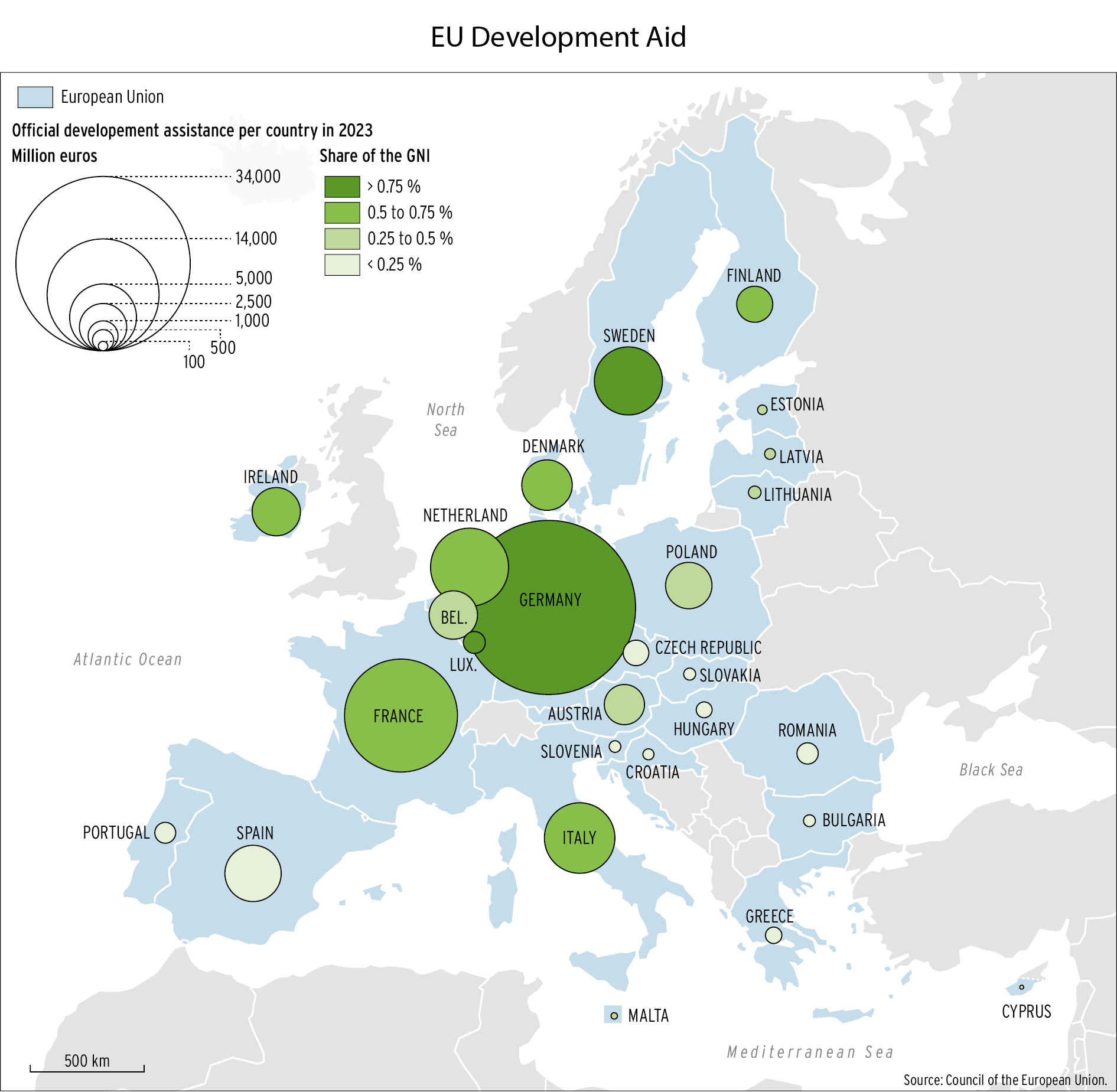
18) Moscow is positioning itself as the pillar of a “post-Western” order, challenging established international norms. It is successfully instrumentalizing a post-colonial discourse to gain traction in certain regions of Africa, the Middle East and Asia. However, the EU remains the largest global public aid donor (over €95 billion/year, compared to €1.2 billion for Russia) and offers a credible, stable and sustainable alternative.
19) While Russia retains a capacity for disruption and deal-making that appeals to certain opportunistic partners, it remains unable to offer major, sustainable economic projects. Europe asserts its influence through its stability and capacity for enlargement, which remain powerful drivers of transformation.

Available in:
Themes and regions
ISBN / ISSN
Share
This page contains only a summary of our work. If you would like to have access to all the information from our research on the subject, you can download the full version in PDF format.
Europe-Russia: Balance of Power Review
Marc-Antoine EYL-MAZZEGA
Director, Center for Energy & Climate, Ifri
Tatiana KASTOUÉVA-JEAN
Director of the Russia/Eurasia Center, Ifri
Paul MAURICE
Secretary General of the Study Committee on Franco-German Relations (Cerfa), Ifri
Dimitri MINIC
Research Fellow, Scientific Director of the Observatory on Russia, Eastern Europe, the Caucasus, and Central Asia, Ifri's Russia/Eurasia Center
Élie TENENBAUM
Director of Ifri’s Security Studies Center
A Sovereignist Foreign Policy? The World as Seen by National Rally Lawmakers
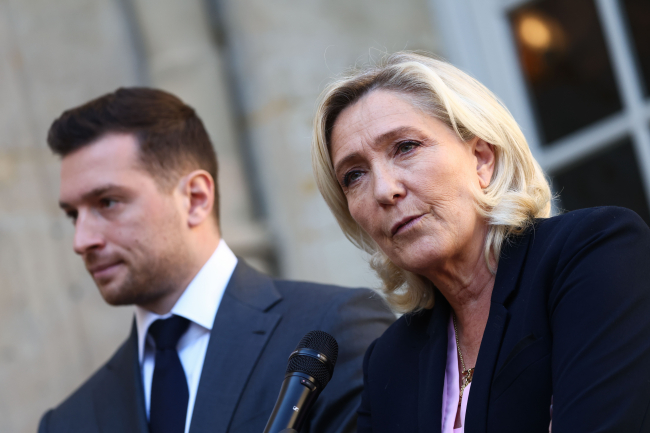
The National Rally’s (Rassemblement national—RN) “de-demonization” strategy appears to be paying off: Marine Le Pen and Jordan Bardella’s party is steadily gaining ground in elections, and polls place it in the lead for the spring 2027 French presidential election. The period of normalization for this far-right movement has coincided with an era of upheaval on the international stage. Within this context, a fundamental question arises: what would the RN’s foreign policy look like if it came to power?

What Do Companies Fear? The New Geography of Geopolitical Risk
Geopolitical risk has established itself, within the space of a few years, as a central variable in corporate strategy.
Manufacturing Risk: Geopolitical Doxa and the Corporate World
The evolving power dynamics between the United States, China, and Russia are creating new geopolitical realities that businesses can no longer evade. Geopolitical risk has become unavoidable, yet many companies remain unprepared to navigate its complexities. Corporate leaders can no longer afford to overlook its implications.
Towards the Second Crusade?
Europeans first grew aware of a possible pandemic exactly one year ago. The wave is here. It has submerged the world, claiming many lives and causing tremendous collateral damage.