



La Guerre de vingt ans. Djihadisme et contre-terrorisme au XXIe siècle
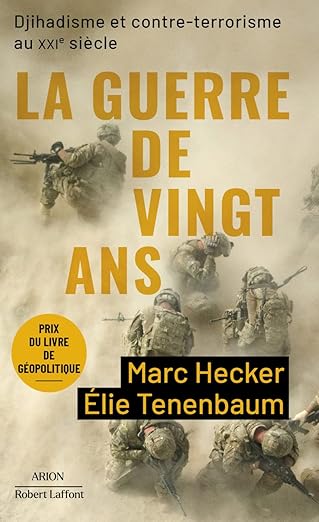
La Guerre de vingt ans was awarded the Prize for the best book on geopolitics in 2021.

It has already been twenty years since the World Trade Center towers came crashing down. Who would have believed that, two decades later, the global war on terrorism continues without an end in sight? From the sands of the Sahara to the jungles of southeast Asia and from the Iraqi plains to the Afghani mountains, the West and its allies are still chasing down the jihadist movement with faultless determination. The threat is not limited to far-off countries; Europe, and especially France, have paid a high price for this long conflict.
Al-Qaeda has shown remarkable resilience, and several new groups, like ISIS, have since appeared. The fall of the so-called “caliphate” as proclaimed by ISIS does not signal the end to the organization, much less to its deadly ideology. There are now two to three times more jihadist fighters in the world than at the start of the twenty-first century. This discouraging figure from an endless war begs the question: what have we done in the last twenty years? Despite hundreds of thousands of human lives lost and considerable sums spent in the war on terrorism, why is the threat still so high?
This exceptional book, the fruit of several years of field investigations, offers the first history of the war on terrorism from 2001 to today. The authors decipher the strategic dynamics of this conflict by explaining why it is so difficult to break the spiral of violence and look back over these two decades of fighting in order to find essential lessons for the future.
La Guerre de vingt ans. Djihadisme et contre-terrorisme au XXIe siècle [The Twenty Years' War. Jihadism and Counter-terrorism in the 21st Century], Robert Laffont, 448 pages, 29 avril 2021.
Foreign rights enquiries: [email protected]


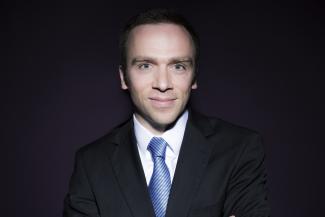
Marc HECKER
Executive Director of Ifri, Editor-in-Chief of Politique étrangère, and Research Fellow at the Security Studies Center, Ifri
Élie TENENBAUM
Director of Ifri’s Security Studies Center
Security Studies Center
Heir to a tradition dating back to the founding of Ifri, the Security Studies Center provides public and private decision-makers as well as the general public with the keys to understanding power relations and contemporary modes of conflict as well as those to come. Through its positioning at the juncture of politics and operations, the credibility of its civil-military team and the wide distribution of its publications in French and English, the Center for Security Studies constitutes in the French landscape of think tanks a unique center of research and influence on the national and international defense debate.
Internal Security
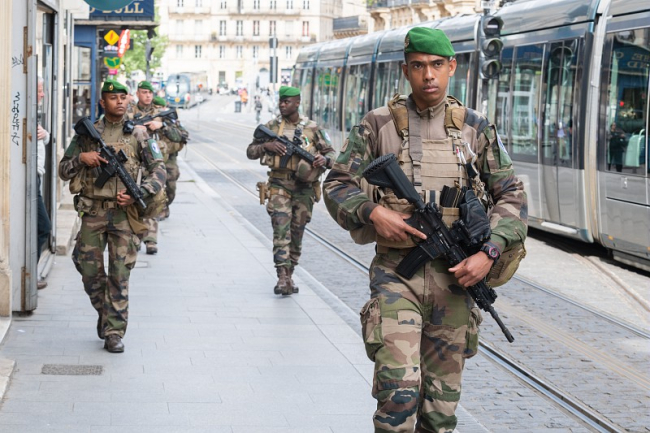
The distinction between internal and external threats is often exaggerated, as the borders are so porous. Conflicts taking place thousands of kilometers from France can have tragic resonances on national territory. Radicalization, terrorism and even organized crime have an international dimension that cannot be ignored.
Toward Space-Based Intelligence for All? The Case of the Spring 2026 Iranian Strikes
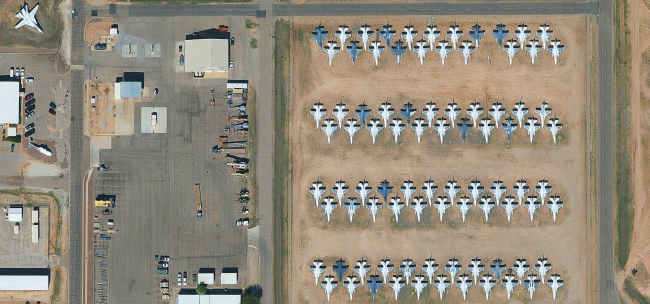
The conflict in the Middle East has highlighted the effectiveness of Iranian strikes in identifying targets and conducting precision strikes. This raises the question: which capabilities enabled the Islamic Revolutionary Guard Corps (IRGC) to achieve these results?

Confronting Russia’s High-Velocity Arsenal: European Challenges and Solutions
Since February 2022, Russian missile and long-range drone strikes against Ukraine have served as near-daily reminders of what European states could face in a war with Russia. The same weapon systems battering Ukrainian infrastructure and population centers would be directed against European military and civilian targets in any confrontation between Russia and NATO. As Russian missile production expands and its arsenal diversifies, Europe must confront an uncomfortable question: how to deter, and if push comes to shove, fight Russia's long-range strike arsenal?
The War on Terrorism: Global Experts Reflect on Lessons Learned Twenty-Five Years After 9/11
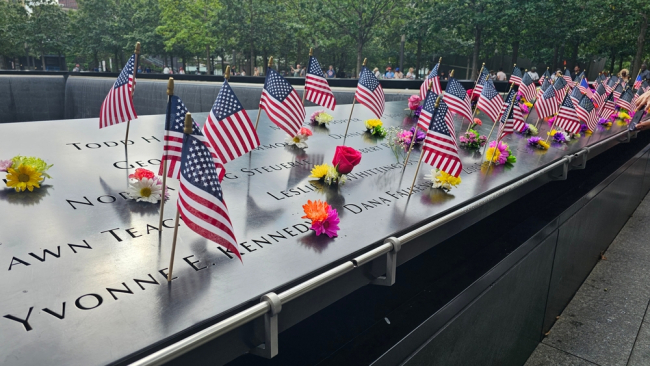
Twenty-five years ago, the September 11 attacks prompted the invention of new security architectures that shaped the war on terrorism. Sixteen think tank experts from fifteen countries reflect on the successes, failures, and missed opportunities in the fight against terrorism—a fight that is still ongoing.
From Corsairs to Private Military Contractors. Nonmilitary Maritime Actors and the Historical Continuities of Naval Warfare
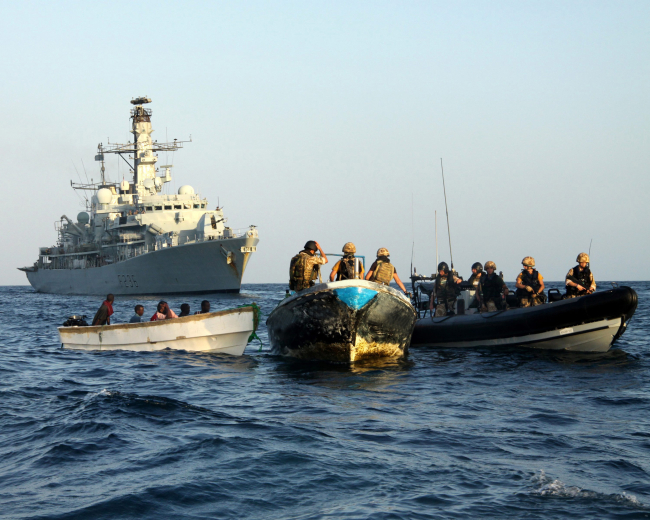
Since late 2023, several Houthi attacks on commercial shipping have involved privately contracted armed teams conducting defensive engagements and coordinating immediate response efforts, often in the relative absence of regular naval forces during the immediate hostilities at sea. These cases highlight a strategic tension that increasingly confronts modern navies. On the one hand, they are expected to conduct persistent, low-intensity maritime security tasks such as counterpiracy, maritime policing, and the protection of commercial shipping. On the other hand, they face renewed pressure to prepare for high-intensity conflict against peer and near-peer adversaries amid the return of great power competition.