
Search on Ifri.org

About Ifri

Frequent searches

Suggestions

Prénom de l'expert
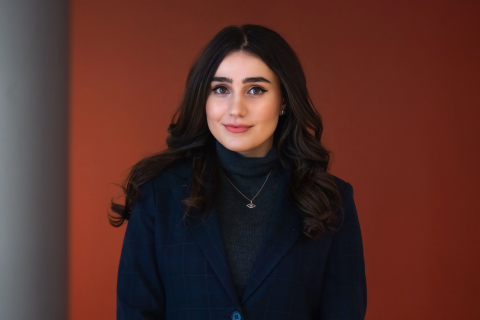
Héloïse
Nom de l'expert
FAYET

Intitulé du poste

Research Fellow and Head of the Deterrence and Proliferation program, Security Studies Center, Ifri

Domaine d'expertises En

Research Areas:

  • Nuclear deterrence (doctrines and programs of nuclear weapons states)
  • Proliferation of nuclear weapons and balistic missiles
  • Strategic competition in the Middle East
Centres et programmes de recherche
Image principale
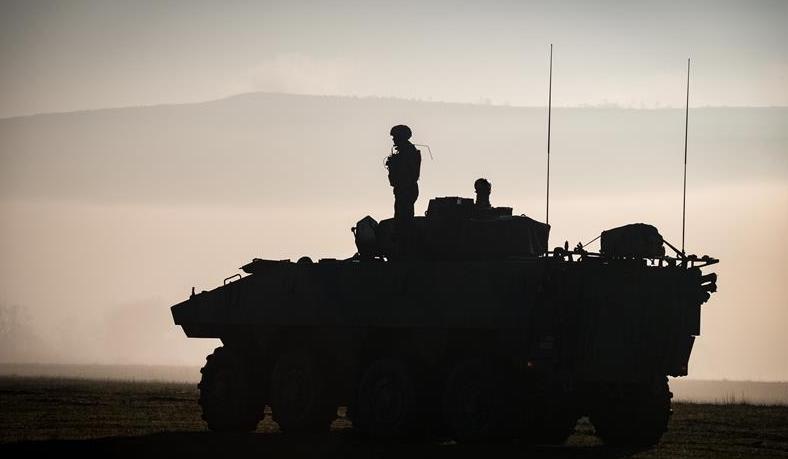
 A soldier watching a sunset on an armored infantry fighting vehicle
Security Studies Center
View more
Image principale
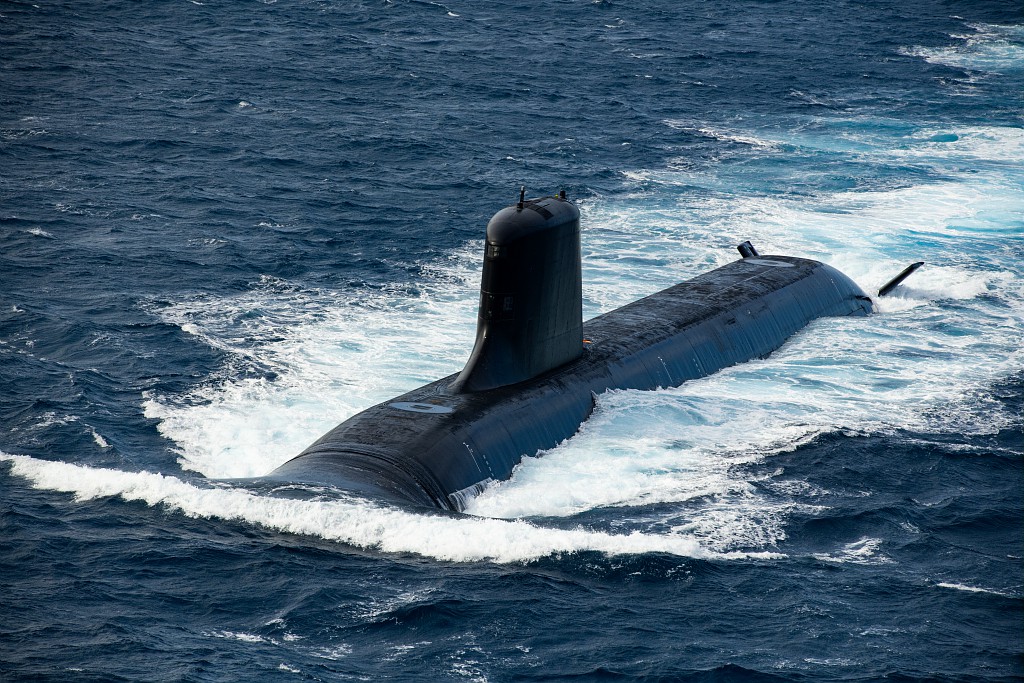
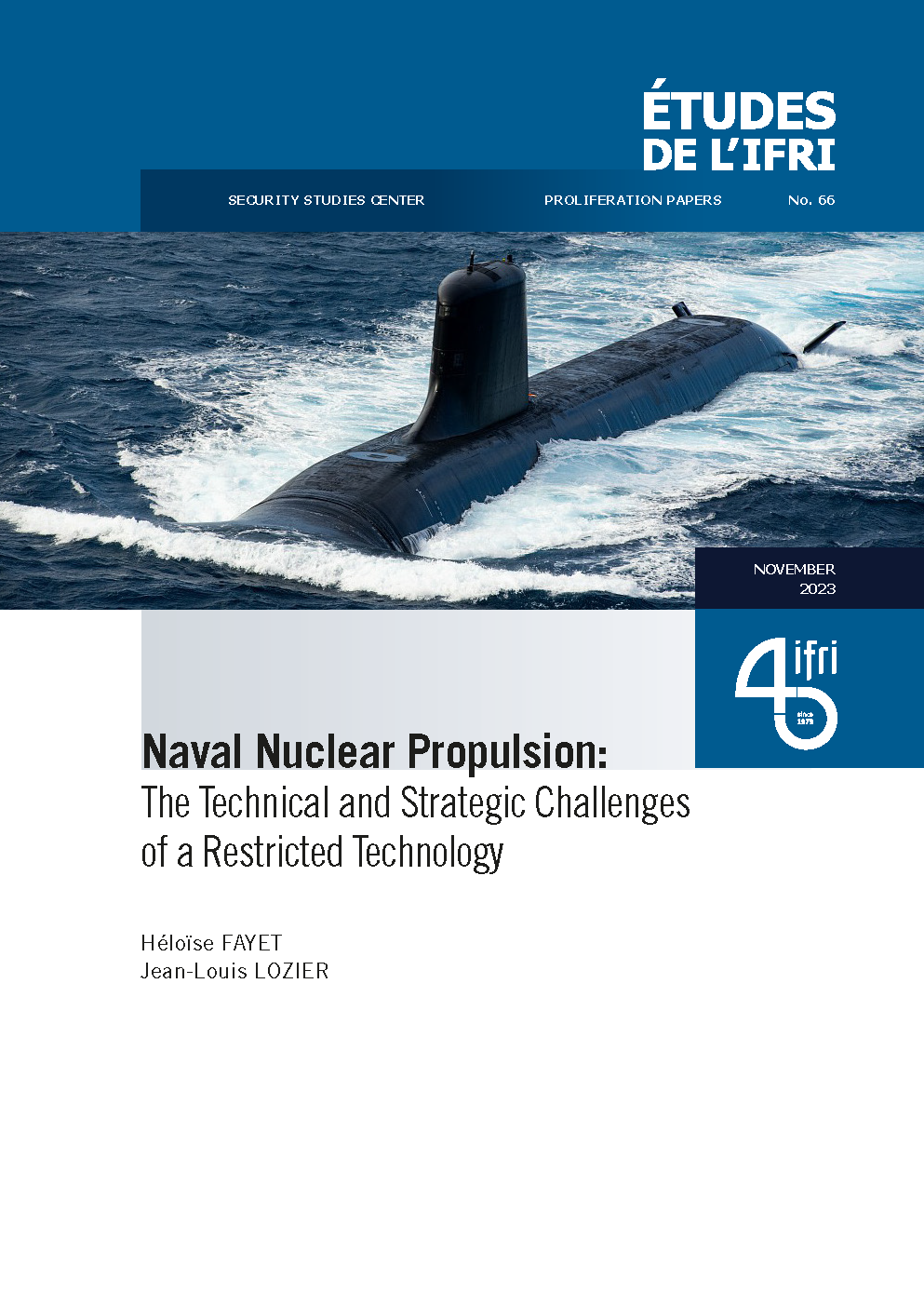
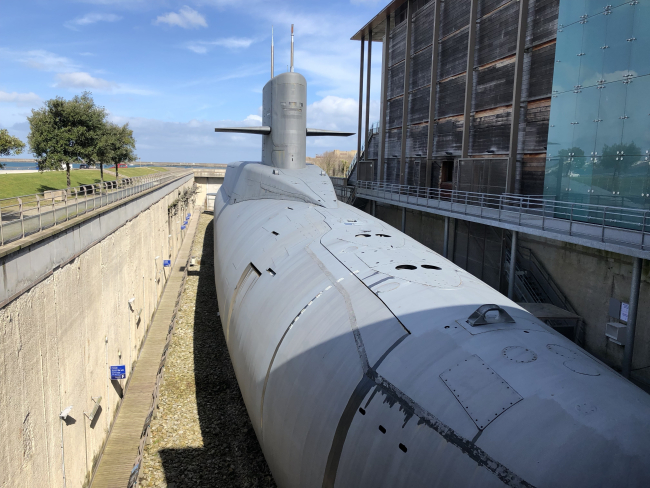
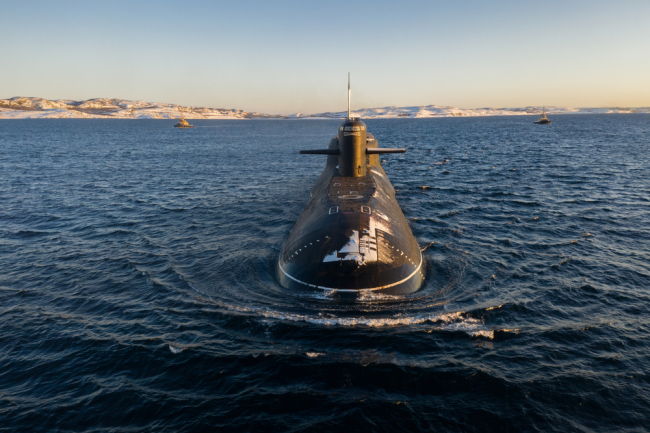
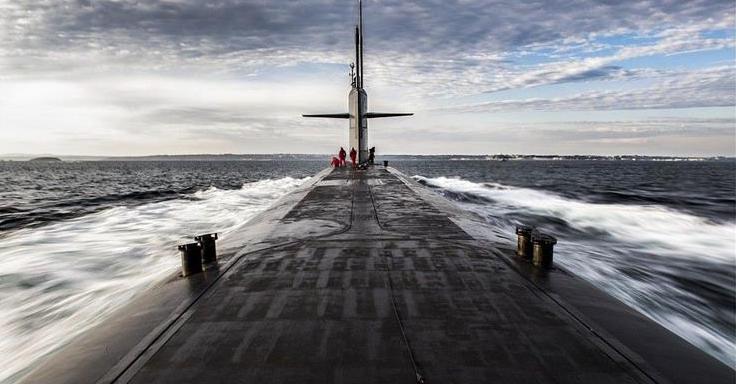
Nuclear ballistic missile submarine, in transit on the surface
Deterrence and Proliferation
View more
Biographie En

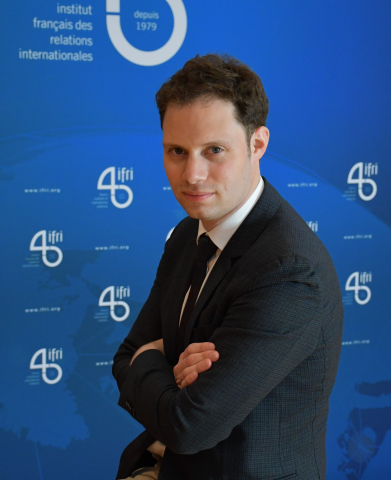
Héloïse Fayet is a research fellow at the Security Studies Center and head of the Deterrence and Proliferation research program

Her work focuses on nuclear proliferation in the Middle East, the impact of emerging technologies on strategic risk reduction and strategic stability, and Nuclear Weapons States’ doctrines. She also writes on strategic competition in the Middle East and strategic foresight methods. She is a regular speaker for conferences and training courses in French universities and abroad.
Before joining Ifri, she worked as an analyst on the Middle East at the French Ministry of Armed Forces, and at the French National Cybersecurity Agency. Héloïse Fayet graduated from Sciences Po Paris with a dual master’s degree in international security and journalism, and a B.A. in political science.

An advocate for women in security and defense industries, she is on the board of WIIS (Women in International Security) France. She is also a member of the Younger Generation Leaders Network on Euro-Atlantic Security (YGLN) and an alumna of the International Visitor Leadership Program (IVLP) of the U.S. Department of State.

See more

Eléments a la une
Decoration

Support independent French research

Ifri, a foundation recognized as being of public utility, relies largely on private donors – companies and individuals – to guarantee its sustainability and intellectual independence. Through their funding, donors help maintain the Institute's position among the world's leading think tanks. By benefiting from an internationally recognized network and expertise, donors refine their understanding of geopolitical risk and its consequences on global politics and the economy. In 2025, Ifri supports more than 80 French and foreign companies and organizations.
Ramses Conference, 2024
Analysis from Héloïse FAYET
Publications
Press
Watch and listen
Image principale

Taking the Pulse: Is France’s New Nuclear Doctrine Ambitious Enough?

Date de publication
12 March 2026
Accroche

French President Emmanuel Macron has unveiled his country’s new nuclear doctrine. Are the changes he has made enough to reassure France’s European partners in the current geopolitical context?

Image principale

Macron Offers a Promising Vision for Nuclear Deterrence in Europe

Date de publication
11 March 2026
Accroche

Macron’s concept of ‘forward deterrence’ offers a distinctly European approach to nuclear deterrence.

Héloïse FAYET Darya DOLZIKOVA
Image principale

France has a new nuclear doctrine of ‘forward deterrence’ for Europe. What does it mean?

Date de publication
05 March 2026
Accroche

On Monday, French President Emmanuel Macron delivered a speech on France’s nuclear deterrence at the Île Longue naval base near Brest in Brittany, which hosts the country’s nuclear-armed ballistic missile submarines. Such addresses are a well-established presidential ritual, typically delivered once per presidential term and receiving moderate attention. This one, however, was highly anticipated in France and abroad, given the profound geopolitical shifts since Macron’s first nuclear speech in February 2020.

Mind the Deterrence Gap: Assessing Europe’s Nuclear Options

Date de publication
11 February 2026
Accroche

Europe must urgently confront a new nuclear reality. In recent years, Russia’s nuclear-backed revisionism has reintroduced nuclear coercion and the threat of nuclear escalation to the continent, underscoring the importance of credible nuclear deterrence. At the same time, Europe’s traditional reliance on US extended nuclear deterrence appears politically more fragile than at any point since the Cold War. Together, these developments require Europeans to think about their nuclear options.
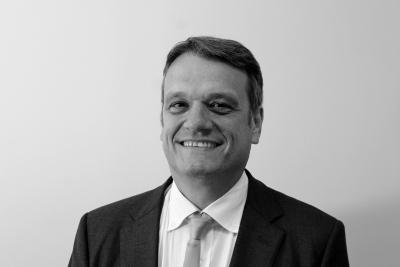
Image principale

How should Britain and France cooperate to realise the Northwood Declaration?

Date de publication
18 July 2025
Accroche

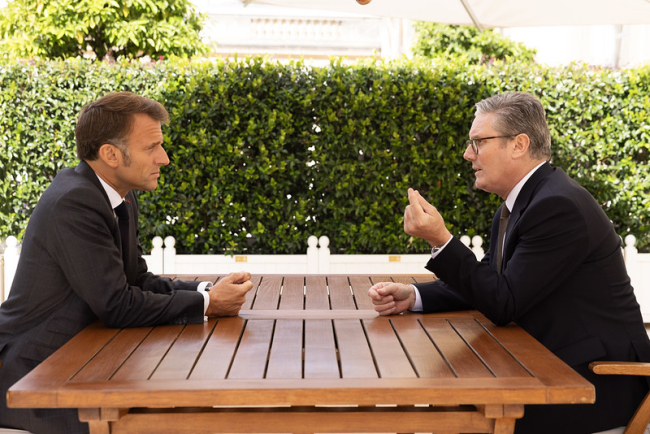
During his state visit to the United Kingdom (UK) last week, Emmanuel Macron, President of France, signed a joint declaration with Sir Keir Starmer, Prime Minister, on nuclear cooperation between Britain and France. The Northwood Declaration highlights that while both countries’ nuclear arsenals remain sovereign, cooperation on nuclear deterrence can ‘contribute significantly’ to the security of the North Atlantic Treaty Organisation (NATO) and the Euro-Atlantic region.

Image principale

The Evolving Role of Nuclear Rhetoric in Iran’s Strategic Calculus

Date de publication
03 July 2025
Accroche

How has the Iranian strategic discourse about nuclear weapons and deterrence evolved? 

Image principale

Taking the Pulse: Can Europeans Build Their Independent Extended Nuclear Deterrent?

Date de publication
03 April 2025
Accroche

Confronted with a U.S. disengagement and the Russian threat, Europeans are reconsidering their stance on nuclear deterrence. Given the capabilities of the French and British arsenals, can Europe develop an independent nuclear deterrent?

Image principale

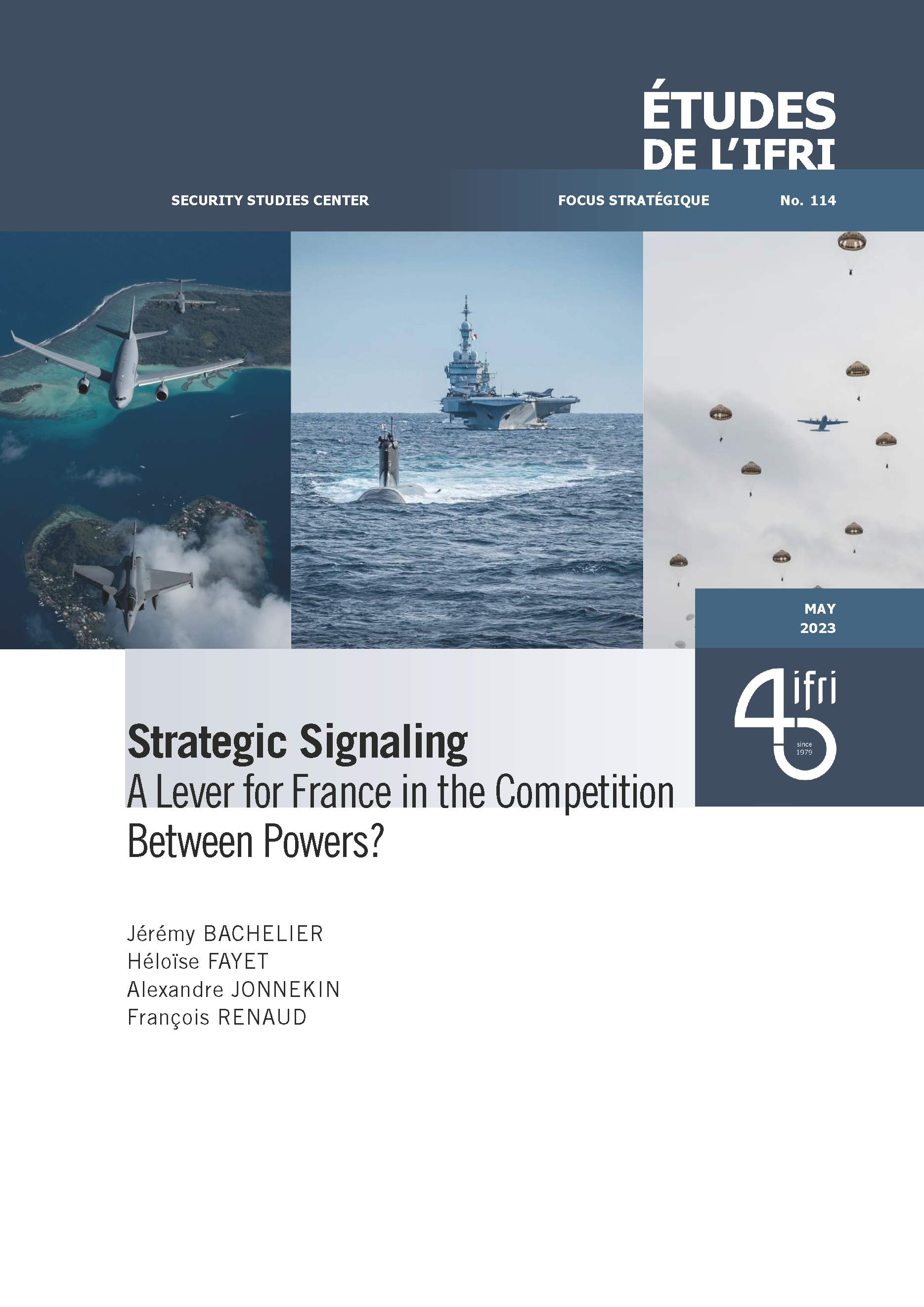
From Cuba to Ukraine: Strategic Signaling and Nuclear Deterrence

Date de publication
03 December 2024
Accroche

Strategic signaling—the range of signs and maneuvers intended, in peace time, to lend credibility to any threat to use nuclear weapons—is back.

Image principale

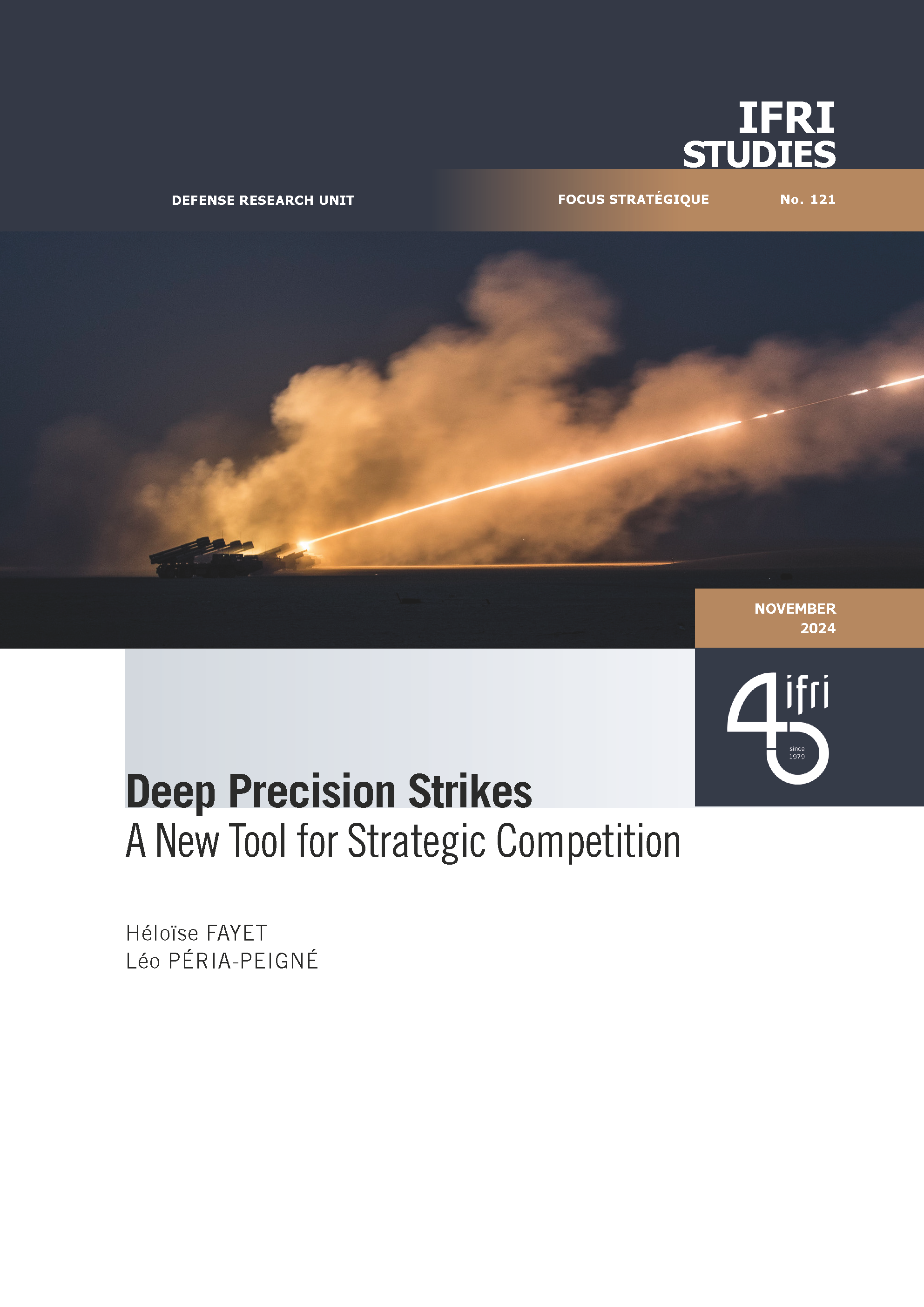
Deep Precision Strikes: A New Tool for Strategic Competition?

Date de publication
19 November 2024
Accroche

Reaching deep into the enemy’s system to weaken it and facilitate the achievement of operational or strategic objectives is a key goal for armed forces. What capabilities are required to conduct deep strikes in the dual context of high-intensity conflict and strengthened enemy defenses?

Towards a European Nuclear Deterrent

Date de publication
20 September 2024
Accroche

While major European powers may have to contemplate nuclear deterrence without America, the national flexibility and European financial support required to make it feasible is currently difficult to imagine.

Decoration
Our experts in the media
Discover all our services
Logo
wall street journal

"There's a difference between what our allies expect and what France is prepared to offer," said Héloïse Fayet, head of the deterrence and proliferation program at the French Institute for International Relations.

Logo
Bulletin of the Atomic Scientists

It’s difficult to assess the consequences of the strikes on the nuclear program itself and the facilities, as we are still waiting for independent analyses of the satellite imagery.

Logo
politico_logo_2.jpg

Merz's statement now needs to be followed up in the long term at political level, on both the French and German sides. It's been on the table for five years, and if we don't talk about it now, when Europe is in danger, we'll never talk about it.

Decoration
Image
Élie TENENBAUM

Élie TENENBAUM

Director of Ifri’s Security Studies Center

Image
Florence DUVEILLER

Florence DUVEILLER

Military Fellow, Defense Research Unit of the Security Studies Center, Ifri

Image
Amélie FÉREY

Amélie FÉREY

Research Fellow, Head of the Defense Research Unit, Security Studies Center, Ifri

Image
Guillaume Furgolle

Guillaume FURGOLLE

Military Fellow, Defense Research Unit of the Security Studies Center, Ifri

Image
Jean-Baptiste GUYOT Ifri Centre des études de sécurité

Jean-Baptiste GUYOT

Military Fellow, Defense Research Unit, Security Studies Center, Ifri

Image
Léo PÉRIA-PEIGNÉ

Léo PÉRIA-PEIGNÉ

Research Fellow, Security Studies Center, Ifri

Image
Amélie ZIMA
Image
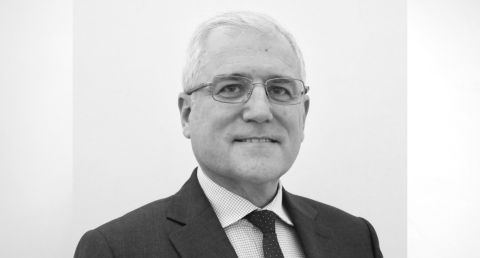
Jean-Louis LOZIER

Jean-Louis LOZIER

Advisor, Security Studies Center, Ifri

Image
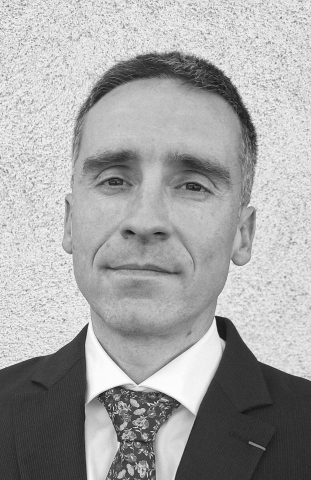
Luc_Pages

Luc PAGÈS

Advisor, Security Studies Center, Ifri


Image
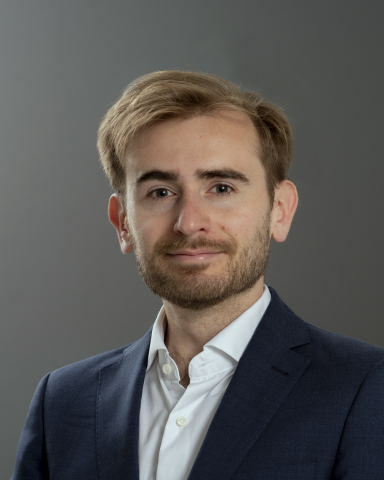
Guillaume GARNIER

Guillaume GARNIER

Associate Research Fellow, Security Studies Center, Ifri

Image
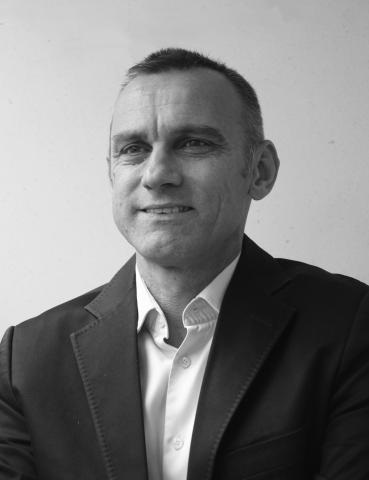
jean-christophe_noel.jpg

Jean-Christophe NOËL

Associate Research Fellow, Security Studies Center, Ifri

Image
Louis-Marie BAILLE

Louis-Marie BAILLE

Military Fellow, Defense Research Unit, Security Studies Center, Ifri