Practical information
Déjeuner débat réservé aux entreprises membres de l'Ifri, sur invitation personnelle.
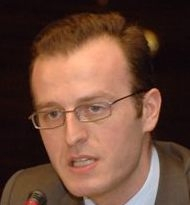
Avec Thomas Gomart, directeur du Centre Russie/NEI eet du Développement stratégique, Ifri
Réélu avec 63 % des suffrages au premier tour, Vladimir Poutine commence un troisième mandat présidentiel. Celui-ci devrait normalement s'achever en 2018. A priori, sa victoire est sans appel. En réalité, elle a révélé les profondes transformations de la société russe et de son environnement. Une chose est sûre : Vladimir Poutine ne pourra plus utiliser les mêmes méthodes que par le passé s'il veut accompagner la modernisation de son pays et son insertion progressive dans l'économie mondiale.
Déjeuner organisé avec le soutien du
Other events
Brussels, Germany, France and Italy Facing the Energy and Industrial Crises: Coordinated or Diverging Trajectories?
Amidst soaring defense spending, higher borrowing costs, erosion of energy intensive industries, renewed energy price hikes and possibly physical shortages, the European Union and its Member States are again struggling to stabilize the European economies. Governments are tempted by uncoordinated, short-term moves while in Brussels, there is a struggle between the “more of the same” and the “scrap it largely” approaches to the transition.
Managing nuclear escalation: what's in intrawar deterrence?
Since the return of high-intensity warfare in Europe and the rise of strategic tensions in the Indo-Pacific, the issue of managing escalation between nuclear powers has taken center stage in U.S. strategic thinking and, to a lesser extent, in the European one.
Geopolitical stakes of the New Moon race
As the United States, China, and India solidify their lunar ambitions, Europe is still seeking to define its stance: should it be a reliable partner or an autonomous strategic player? This conference will examine the stakes of this new race to the Moon and Europe’s interest in asserting itself as a lunar power through partnerships, industrial ambitions, and whether its participation in the new lunar race serves as a lever for strategic autonomy and internal cohesion, or an illustration of its dependence.