




Rare Earths and other Critical Raw Materials: Towards a Security of Supply?
Practical information
26 January 2011
14:00 - 16:00
at
European Commission Representation in Belgium
73, rue Archimède
Brussels, Belgium
with
Roderick Eggert
Professor and Director of the Division of Economics and Business,
Colorado School of Mines
Paul Anciaux
Policy Officer - Mining, metals, raw materials,
DG Enterprise and Industry, European Commission
René van Sloten
Chairman, BUSINESSEUROPE Market Access Working Group
and
Alan Price
Partner and Co-Chair of the International Trade Practice Wiley Rein LLP, Washington DC
Chair:
William C. Ramsay
Director, Ifri Energy Program
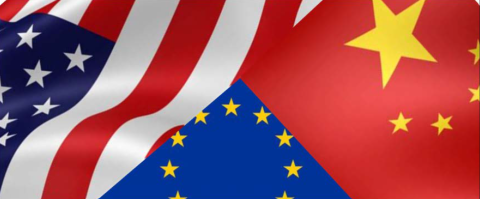
With the development and increasing commercialization of cutting edge technologies and growing competition from emerging economies, Europe is ever-more vulnerable to supply disruptions of rare, geographically concentrated raw materials. The so-called "rare earths" are but one among many. In 2008, the European Commission identified 14 such critical materials necessary for the health of European industry but subject to severe supply risks due to geopolitical-economic factors. Both Europe and the United States face similar challenges in securing these critical raw materials to support the growth of enterprise and industry. By bringing together perspectives from both sides of the Atlantic, this conference aims to discuss some of these challenges, the effects on industry, and policy options available for ensuring better securities of supply - in particular the options examined in a special Communication by the European Commission on raw materials scheduled for adoption on 26 January.
In cooperation with the U.S. Mission to the EU
and with the kind support of
the Representation of the European Commission in Belgium
Other events
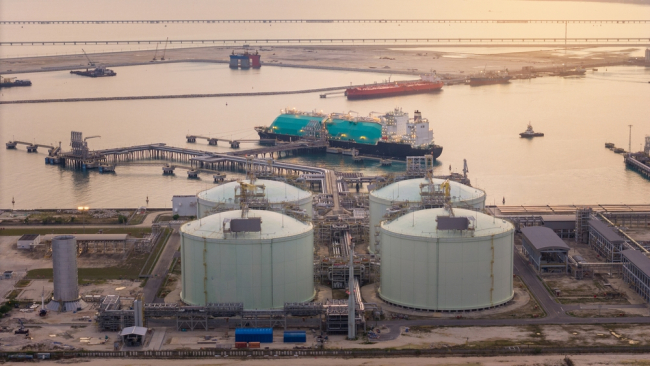
Europe Bracing for a Tough Winter: Prospects for Tighter Oil and Gas Markets
Summer witnessed a sharp escalation in the Russia-Europe confrontation, amidst continued partial closure of Hormuz and major extreme weather events. Oil and gas prices are high, and the price and supply outlooks for Europe this winter are very challenging for oil products, LNG and possibly, electricity markets which see growing contamination from the Hormuz crisis and growing risks of disbalances. Moreover, the phase-out of Russian gas supplies comes with renewed risks.
One Month Ahead of the Midterms: Where Is Trump’s America Headed?
The 24th edition of the Ifri Americas Programme Annual Conference will examine the dynamics at play in the United States and their implications for Europe and the transatlantic relationship. will examine the dynamics at play in the United States and their implications for Europe and the transatlantic relationship.
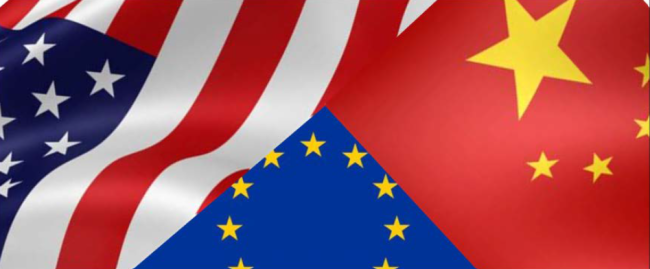
The EU in a World of Economic Warfare: Trade, Geopolitics, and the Battle for Economic Sovereignty
The international trading system has become a primary theatre of geopolitical competition. Tariffs, sanctions, and technology controls have replaced dialogue as the default instruments of economic relations.