




Practical information
Lunch debate in French with Marc Hecker, Research Fellow at Ifri's Security Studies Center, and Elie Tenenbaum, Research Fellow at Ifri's Security Studies Center.
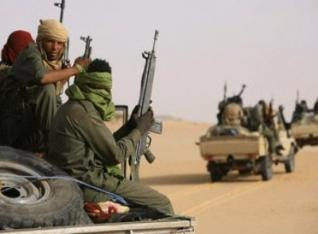
9/11 has marked a dramatic shift in the fight against terrorism. al Qaeda came under the spotlight as embodying this international terrorism. Over the past decade, the threat that al Qaeda has been representing has greatly evolved: its base, its geographic locations, and its recruitment methods.
The fight against terrorism has always undergone several periods with mixed outcomes. Western governments have explored a large array of actions: controversial political initiatives, counter-terrorism, anti-terrorism, counter-insurrection. 10 years after those attacks, what conclusions can we draw on the evolution of the threat and the responses? How to tackle the resilient threat? Those are key questions Marc Hecker and Elie Tenenbaum will address.
The last two issues of Politique étangère will be sold with the kind collaboration of the bookstore Filigranes.
This debate is part of the "Ifri's Tuesdays in Brussels".
The entry fee (except for members) is 10 euros.
Location : Ifri Bruxelles, rue Marie-Thérèse, 21, 1000 Bruxelles
Organisation : Nathalie Urbanczyk - +32 2 238 51 10
Register
Other events
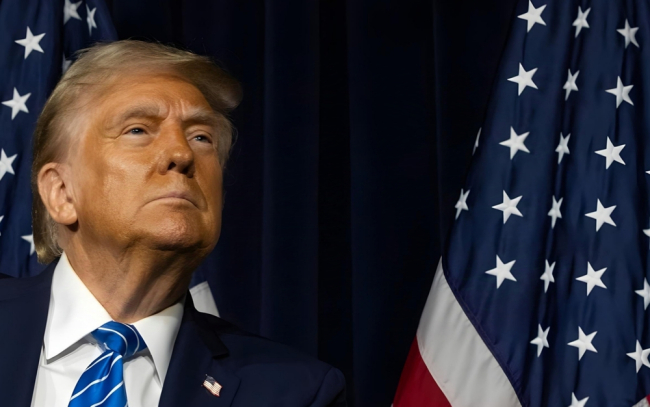
One Month Ahead of the Midterms: Where Is Trump’s America Headed?
The 24th edition of the Ifri Americas Programme Annual Conference will examine the dynamics at play in the United States and their implications for Europe and the transatlantic relationship. will examine the dynamics at play in the United States and their implications for Europe and the transatlantic relationship.
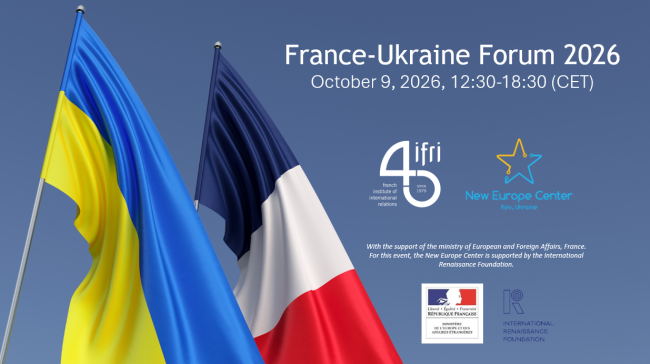
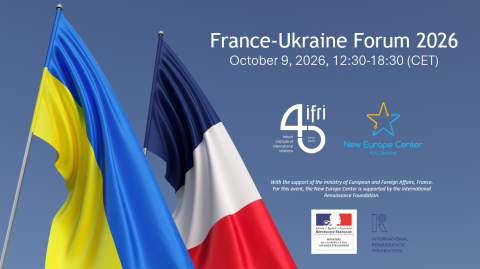
France-Ukraine Forum 2026
More than four and a half years after the start of the full-scale war launched by Russia against Ukraine, the 2026 France-Ukraine Forum will bring together policymakers, experts, academics, and civil society representatives from both countries to discuss three main topics: the formats and conditions for a lasting diplomatic settlement; Ukraine’s Euro-Atlantic integration, encompassing both the EU accession process and closer ties with NATO; and the societal transformations of postwar Ukraine, as well as its prospects for reconstruction.
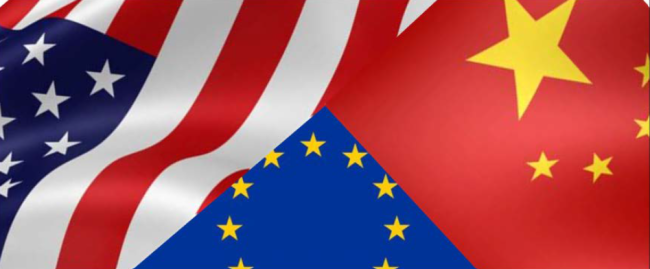
The EU in a World of Economic Warfare: Trade, Geopolitics, and the Battle for Economic Sovereignty
The international trading system has become a primary theatre of geopolitical competition. Tariffs, sanctions, and technology controls have replaced dialogue as the default instruments of economic relations.