



Emmanuel Macron in Japan and South Korea: A Historic Opportunity for Euro-Asian Rapprochement
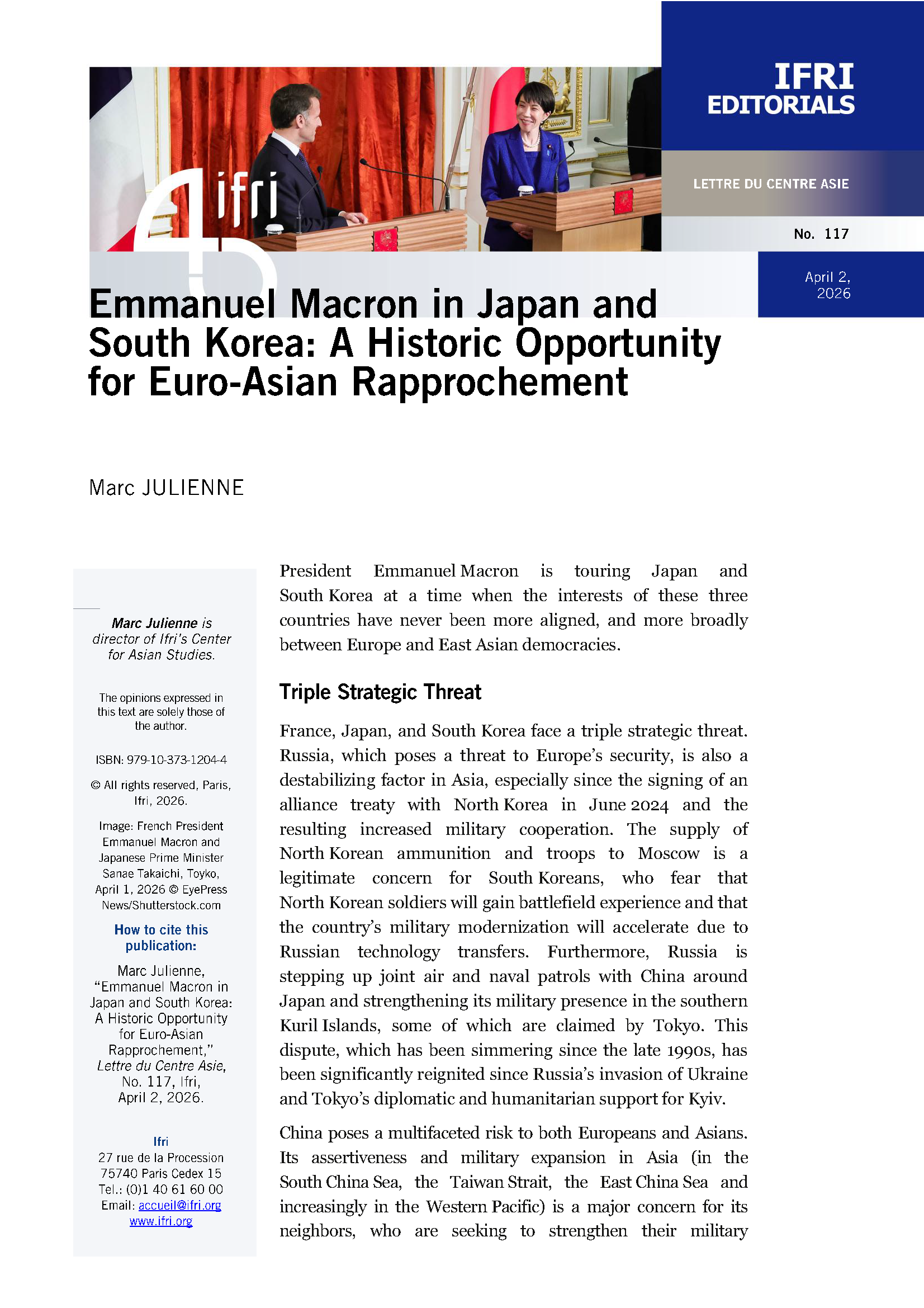
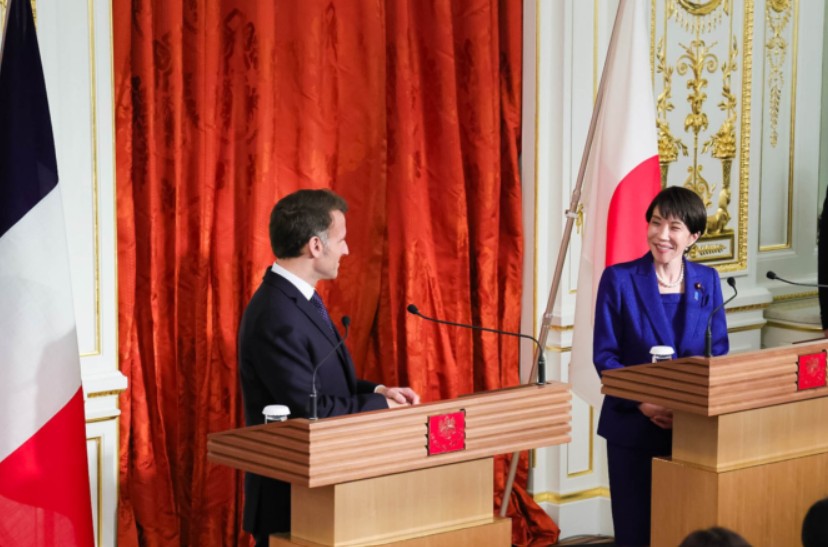
President Emmanuel Macron is touring Japan and South Korea at a time when the interests of these three countries have never been more aligned, and more broadly between Europe and East Asian democracies.
Triple Strategic Threat
France, Japan, and South Korea face a triple strategic threat. Russia, which poses a threat to Europe’s security, is also a destabilizing factor in Asia, especiallysince the signing of an alliance treaty with North Korea in June 2024 and the resulting increased military cooperation. The supply of North Korean ammunition and troops to Moscow is a legitimate concern for South Koreans, who fear that North Korean soldiers will gain battlefield experience and that the country’s military modernization will accelerate due to Russian technology transfers. Furthermore, Russia is stepping up joint air and naval patrols with China around Japan and strengthening its military presence in the southern Kuril Islands, some of which are claimed by Tokyo. This dispute, which has been simmering since the late 1990s, has been significantly reignited since Russia’s invasion of Ukraine and Tokyo’s diplomatic and humanitarian support for Kyiv.
China poses a multifaceted risk to both Europeans and Asians. Its assertiveness and military expansion in Asia (in the South China Sea, the Taiwan Strait, the East China Sea and increasingly in the Western Pacific) is a major concern for its neighbors, who are seeking to strengthen their military capabilities and defense industries. But China is also a cause for concern due to its growing weaponization of trade, particularly through export controls on critical minerals, which are crucial for the Japanese and South Korean electronics industries. These trade and strategic issues are also at the heart of the disputes between the European Union and China, compounded by a European trade deficit that is widening at an alarming rate, reaching nearly €360 billion in 2025.
Finally, European North Atlantic Treaty Organization (NATO) members, Japan, and South Korea (as well as the Philippines) are plunged into deep strategic uncertainty regarding their principal ally: the United States (US). It is worth recalling that while the US has established numerous military bases in Europe and Asia and has sheltered its allies under its extended nuclear deterrence, this has never been out of charity, but because it saw an interest in containing its adversaries (USSR, Russia, North Korea, China) to the extent possible and thus protecting its national territory from a potential conflict. Donald Trump reverses this logic by arguing that allies free-ride on American-paid security, a blatant distortion of reality given the allies’ financial contributions and their massive purchases of American weaponry. In any case, the credibility of US military and nuclear support is no longer assured in the eyes of European and Asian allies, and the very sustainability of the US commitment to NATO is now in question. Beyond security, Donald Trump is also attacking the most basic principles of international law: the abduction of Nicolás Maduro, the assassination of Ali Khamenei and the upheaval of the Middle East, threats to conquer Greenland… Similarly, on the trade front, the imposition of sweeping tariffs violates and undermines global trade rules.
Alignment of Euro-Asian Interests Toward Strategic Autonomy
It is therefore a historic moment in which the interests of Europeans and East Asian democracies are aligning. Until now, the foreign policy of many European countries has been limited to their own continent and the US, while Japan and South Korea have been focused on East Asia and their American ally. Today, to address the respective threats in each of the two regions and in other international crises, such as the current situation in the Middle East, Europeans and Asians have an interest in cooperating and coordinating. A crisis in one region has consequences on the other side of the world. An additional unprecedented opportunity: Japan and South Korea, which were held captive by their conflict-ridden historical legacy from the first half of the 20th century, began a rapprochement in 2023, which is being reinforced under the administrations of South Korean President Lee Jae-myung and Japanese Prime Minister Sanae Takaichi.
Today, the concept of “strategic autonomy”—long championed by France but viewed with suspicion in Europe and met with only moderate interest in Northeast Asia—is beginning to gain consensus. Strategic autonomy consists of viewing state sovereignty as paramount while acknowledging that absolute independence is illusory. Thus, the proliferation of chosen dependencies—in other words, bilateral and multilateral cooperation among like-minded countries—is the only way for middle powers to avoid becoming victims of great-power rivalry. Asians, like Europeans, need to reduce their dependencies (on the US, China, and Russia). To do so, they must diversify their partnerships. The war in the Middle East and the strain on oil and gas supplies are heightening this awareness.
France is the European country whose diplomatic engagement around the world—and particularly in the Indo-Pacific region—is the most clear-cut and consistent. This is evidenced by strategic documents, military planning laws, naval and air deployments, and presidential visits to the region. This is why France can play a leading role in bringing Europe and East Asia closer together. President Emmanuel Macron’s visit to Japan and South Korea is, moreover, a continuation of his proposal to form a “coalition of independents” between Europe and the Indo-Pacific, which he called for in May 2025 at the Shangri-La Dialogue in Singapore and reiterated in Tokyo.
Areas of Cooperation Between France, Japan, and South Korea
The potential for bilateral cooperation between France and Japan, and South Korea, is immense and, frankly, overlooked. Defense is one of the key areas for developing this cooperation, whether operational (exercises, joint patrols, coordination, and intelligence) or industrial (co-development, co-production), even if competition will naturally arise in the latter.
Beyond defense, middle powers must guard against the technological competition between major powers, which is the spearhead of their strategic rivalry. Euro-Asian cooperation on standards, production, and supply chains is crucial in the fields of processors, memory cards, graphics cards, batteries, and data centers, some of whose global leaders are based in East Asia (and a few in Europe, such as ASML or STMicroelectronics). The refining and recycling of critical minerals, essential to all high-tech industries, is an area of cooperation that is already fruitful between France and Japan, and holds strong potential with South Korea. Another cutting-edge sector, industrial and scientific cooperation in the space sector, can be taken much further. France possesses significant experience and expertise in the fields of space exploration, observation, and communication, areas in which Japan, South Korea, and Taiwan are advancing at varying paces.
Finally, on the trade front, France, Japan, South Korea, as well as all of Europe and much of Asia, agree on the importance of rebuilding a rules-based international trading system. As France chairs the G7 with the primary goal of promoting the rebalancing of international trade, President Emmanuel Macron’s visit to Japan—a G7 member—and South Korea—a guest country—is an opportunity to make progress on these issues at the highest level, ahead of the Évian summit in June.

Available in:
Themes and regions
ISBN / ISSN
Share
This page contains only a summary of our work. If you would like to have access to all the information from our research on the subject, you can download the full version in PDF format.
Emmanuel Macron in Japan and South Korea: A Historic Opportunity for Euro-Asian Rapprochement


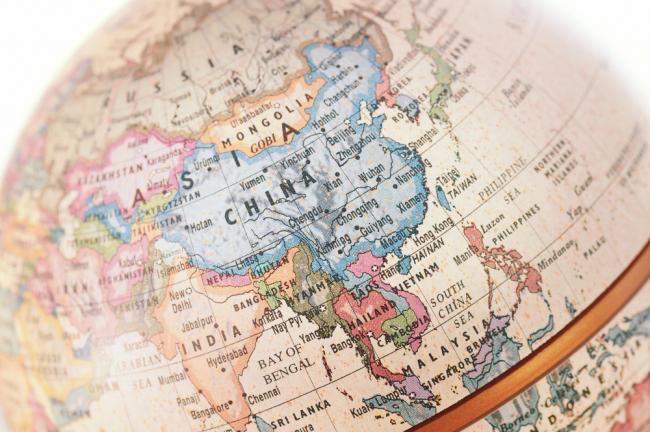
Center for Asian Studies
Asia is a nerve center for multiple global economic, political and security challenges. The Center for Asian Studies provides documented expertise and a platform for discussion on Asian issues to accompany decision makers and explain and contextualize developments in the region for the sake of a larger public dialogue.
The Center's research is organized along two major axes: relations between Asia's major powers and the rest of the world; and internal economic and social dynamics of Asian countries. The Center's research focuses primarily on China, Japan, India, Taiwan and the Indo-Pacific, but also covers Southeast Asia, the Korean peninsula and the Pacific Islands.
The Centre for Asian Studies maintains close institutional links with counterpart research institutes in Europe and Asia, and its researchers regularly carry out fieldwork in the region.
The Center organizes closed-door roundtables, expert-level seminars and a number of public events, including an Annual Conference, that welcome experts from Asia, Europe and the United States. The work of Center’s researchers, as well as that of their partners, is regularly published in the Center’s electronic journal Asie.Visions.

Pakistan and the Israel-Palestine Conflict: Transformation in Pakistan’s Approach After the War in Gaza
Pakistan has long combined vocal support for the Palestinian cause with covert engagement with Israel. Since the war in Gaza, this balance has become untenable: public opinion is united against Israel, joining Trump’s Board of Peace has drawn rare cross-party criticism, and new regional alignments put normalization out of reach.
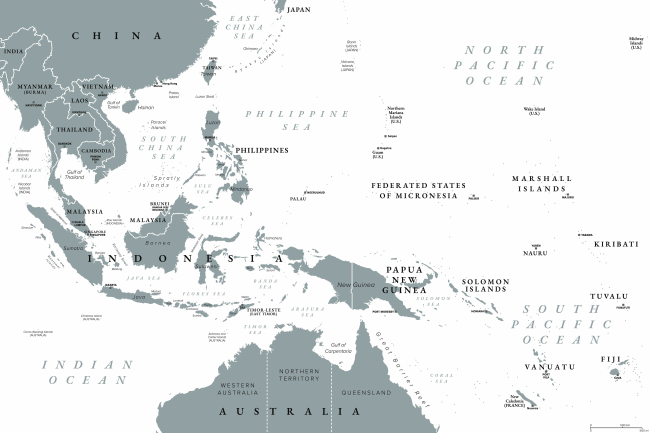
The Oceania Factor in France’s Evolving Indo-Pacific Strategy
This paper examines the two-way relationship between France’s Indo-Pacific strategy and developments in Oceania. Oceania was not a priority in the initial years of France’s Indo-Pacific strategy, as the region was largely treated as secondary to major strategic hotspots and key partnerships, while overseas territories were primarily handled as domestic issues and recipients of a top-down strategy.
France’s View: From Diplomacy to Public-Private Action
France has emerged as the EU’s IMEC forerunner, combining port infrastructure, diplomatic alliances and public-private cooperation. With Marseille Fos at its core, the country brings a strategic hub for logistics, energy and digital connectivity to the corridor.
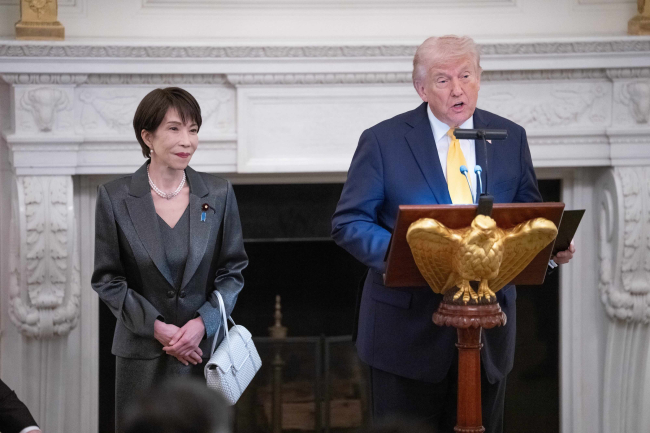
Trump II, the Crisis of the Rules-Based Order and Europe’s Indo-Pacific Strategy
This article examines the implications of Trump II for Europe’s engagement in the Indo-Pacific. The piece contends that Trump II is accelerating the erosion of the rules-based order and undermining the relevance of the Free and Open Indo-Pacific (FOIP) concept, while forcing Europe to refocus on its own continental security amid US retrenchment. Paradoxically, these very constraints create conditions for a more autonomous, pragmatic, and explicitly interest-driven European engagement in the Indo-Pacific, rather than outright withdrawal.