




Practical information
Chinese middle classes are often perceived as a monolithic category of the population, whereas, in fact, they have different profiles and aspirations depending on their geographical origin and on the generation or socio-professional category they belong to.
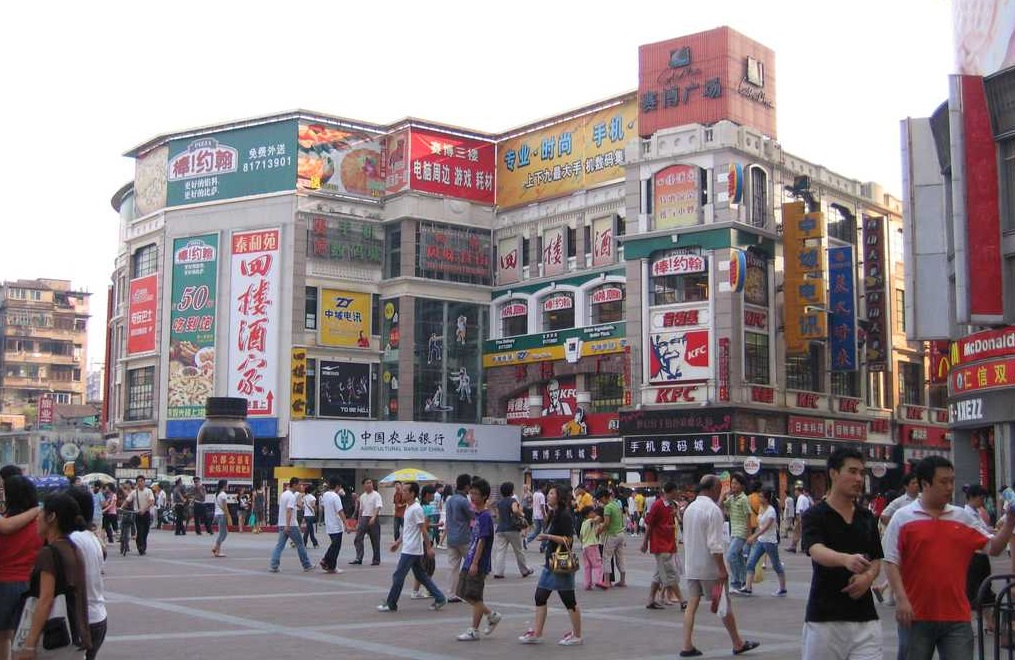
Despite the fact that their emergence has been real and fast for about 30 years, their share in the national population and their political engagement tends to be overestimated.
What is nowadays the demographical, socio-economical and political weight of the Chinese middle classes? What are the distinctive features that distinguish them from those of other countries? Have they been affected by Xi Jinping's political orientation since 2013? This conference will present the conclusions of two studies carried out in 2014 and 2015 on this category of the population.
- Chair: Françoise Nicolas, Director, Center for Asian Studies, Ifri
- Speaker: Alice Ekman, Associate Research Fellow, Center for Asian Studies, Ifri
- Discussant: Boris Cambreleng, Chief, Economic desk, Agence France Presse (AFP), he was previously a correspondent of the AFP in Beijing
The event will be held in French language.
Speakers

Our team

Alice EKMAN
Ancienne Responsable des activités Chine, Centre Asie

Find out more
The Distinctive Features of China's Middle Classes
This study seeks to lay the foundations for a better understanding of the Chinese middle classes. It goes beyond the traditional classification by revenue and identifies the distinctive features of China’s middle classes by taking into account relevant historical events, current sociopolitical and economic contexts, and key expectations of the population.
China’s Emerging Middle Class: What Political Impact?
This research paper argues that, contrary to what is often believed, most of the Chinese middle class appears to be politically conservative, and may not challenge the current political order as much as is expected, for several reasons; first of all, because of its strong connection to the Communist Party of China and the civil service in broader terms. Nonetheless, Chinese middle households are increasingly voicing their concern about a set of issues directly affecting them, such as pollution, either in the street or online.