



Reviving the German Economy: Balancing Economic, Social, and Defense Priorities
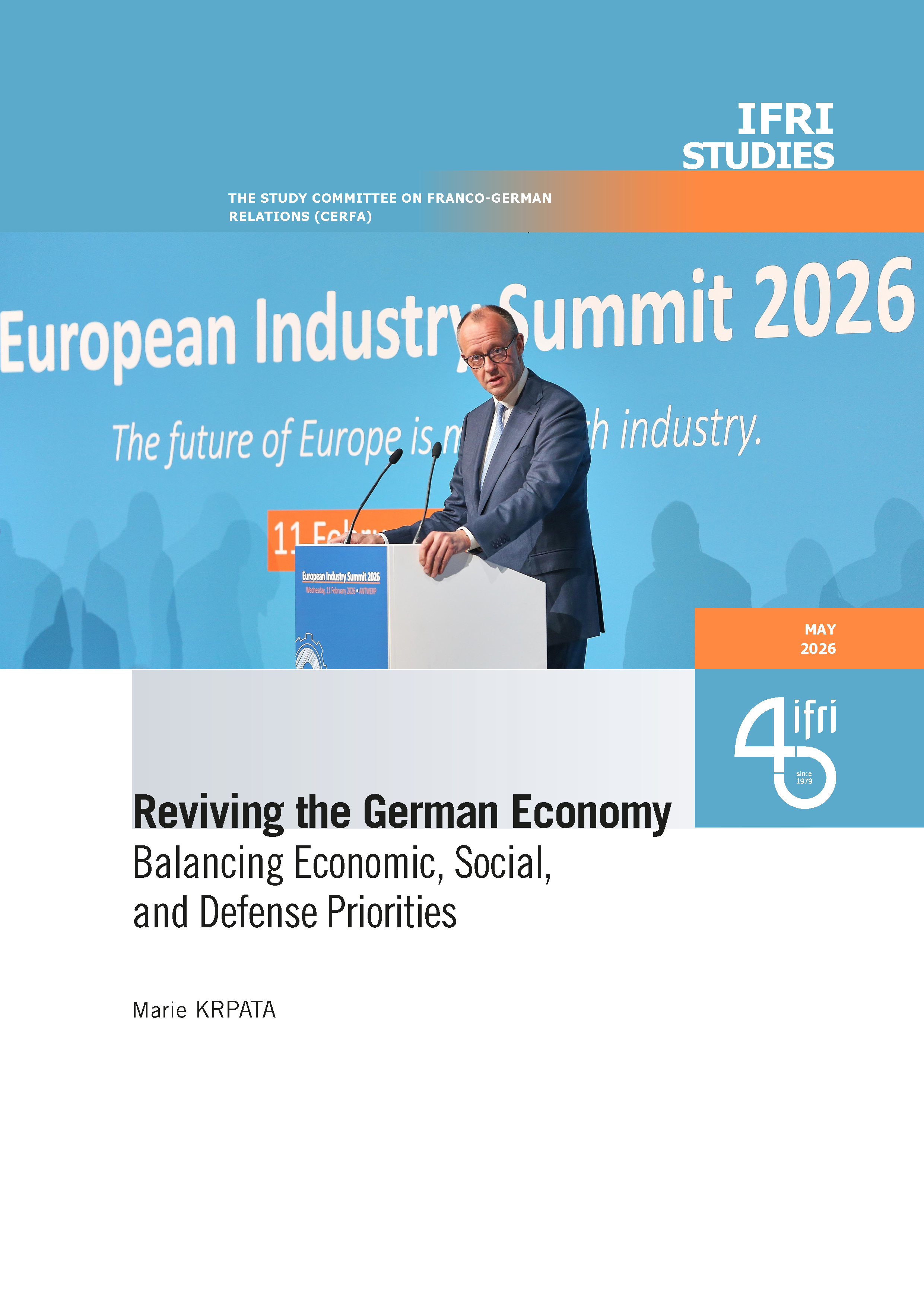
Germany is facing fundamental challenges to its economic and social model and is seeking a new course. The German post-war model was hugely successful, leading to economic strength and prosperity over many decades, but now it is steadily faltering. The previously latent fear of deindustrialization is becoming more concrete, particularly due to the weakening of a key sector: the automotive industry.
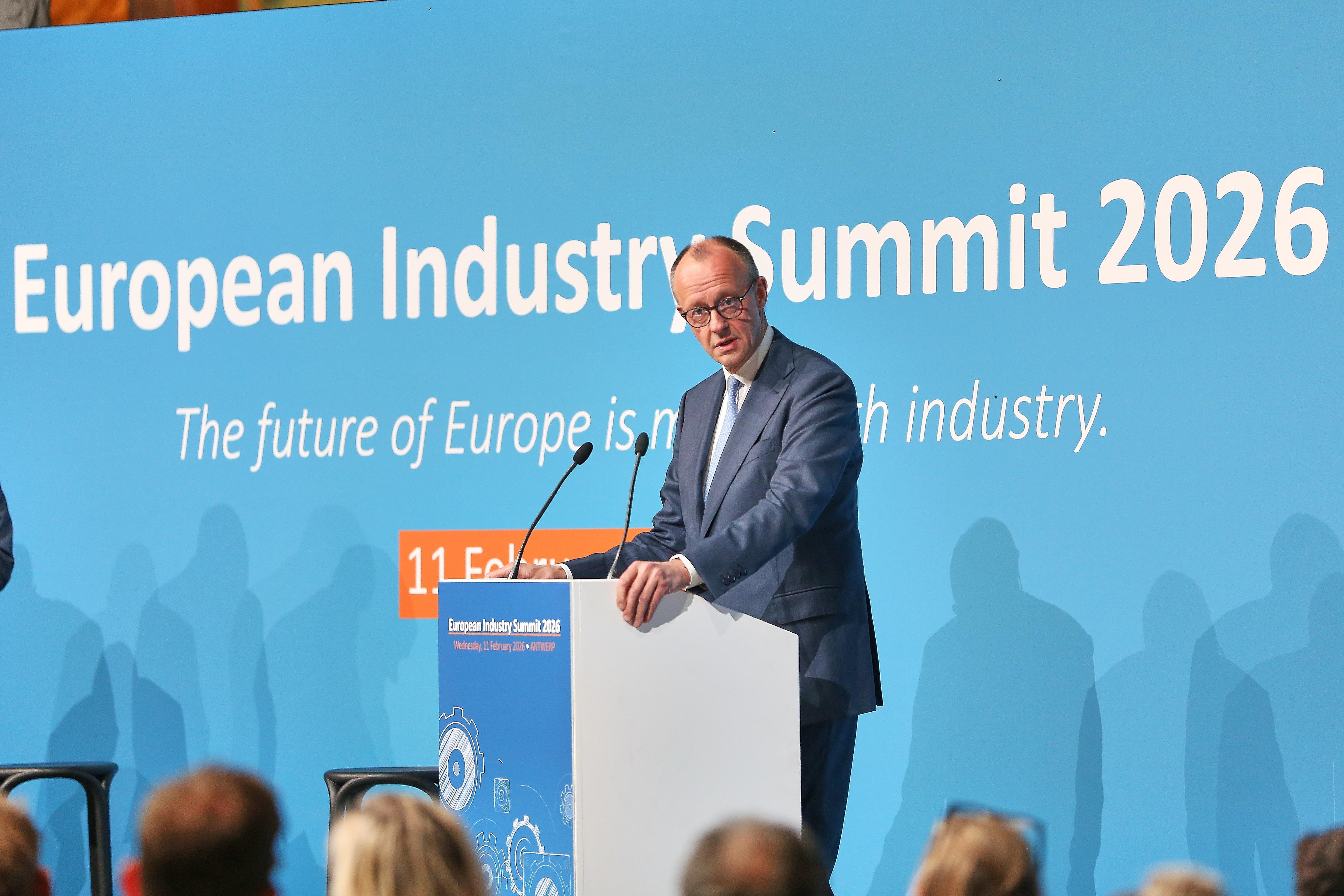
Germany’s industrial competitiveness is declining, and its export power is weakened by Chinese competition and American pressure.
The deteriorating geopolitical context is further exacerbating the situation of Germany’s weakening industrial performance. The Zeitenwende, initiated by the “traffic light” coalition government, already signaled an awareness of Germany’s vulnerability in a context where realpolitik prevails and where dependencies can be used for coercion (dependency on energy in relation to Russia, security and defense in relation to the United States, and economic dependency in relation to China).
The arrival of Friedrich Merz’s government signifies the return of the Conservatives to the Chancellorship, but as part of a coalition with the Social Democrats, thus necessitating compromises and trade-offs. Easing Germany’s “debt brake,” establishing a Special Fund for Infrastructure and Climate Neutrality (Sondervermögen für Infrastruktur und Klimaneutralität, SVIK) for the next twelve years, and deploying resources in the military sphere have given the new government leeway to revitalize the country’s economy.
However, difficult trade-offs must be made between priorities in terms of competitiveness, which raise questions about the German economic model; the preservation of social achievements, which are intended to maintain the German post-war model of prosperity; and defense imperatives, which require a significant effort by Germany to catch up militarily in light of the threats facing Europe. Germany’s repositioning is taking place in a context in which it is torn between expectations for domestic policy and those at the European level.
In this context, it must be asked how Germany can reconcile these numerous imperatives and find the appropriate levels of government intervention. While it is necessary to make structural decisions to maintain and strengthen Germany’s industrial base, already severely tested by external shocks, Germany is also increasingly called upon to lead at the European level. Can it succeed on both fronts?
Marie Krpata works as a Research Fellow at the Study Committee on Franco-German Relations (Cerfa) at the French Institute of International Relations, Ifri
This publication is also available in French: « Redémarrer l’économie allemande : entre impératifs économiques, sociaux et de défense ».
> Explore all of Ifri's analyses and news on Germany.

Available in:
Themes and regions
ISBN / ISSN
Share
This page contains only a summary of our work. If you would like to have access to all the information from our research on the subject, you can download the full version in PDF format.
Reviving the German Economy: Balancing Economic, Social, and Defense Priorities
Marie KRPATA
Research Fellow, Study Committee on Franco-German Relations (Cerfa), Ifri

The Study Committee on Franco-German Relations (Cerfa)
The Study Committee on Franco-German Relations (Cerfa) was created in 1954 by an inter-governmental agreement between the Federal Republic of Germany and France, in order to raise awareness of Germany in France and analyze Franco-German relations, including in their European and international dimensions. In its conferences and seminars, which bring together experts, political leaders, senior decision-makers and representatives of civil society from both countries, Cerfa develops the Franco-German debate and stimulates political proposals. It regularly publishes studies through two collections: Cerfa notes and studies as well as Franco-German visions.
Cerfa maintains close relations with the network of German foundations and think tanks. In addition to its research and debate activities, Cerfa promotes the emergence of a new Franco-German generation through original cooperation programs. This is how in 2021-2022, Cerfa led a program on multilateralism with the Konrad Adenauer Foundation in Paris. This program is aimed at young professionals from both countries interested in the issues of multilateralism in the context of their activities. It covered a wide range of themes relating to multilateralism, such as international trade, health, human rights and migration, non-proliferation and disarmament. Previously, Cerfa had participated in the Franco-German future dialogue, co-led with the DGAP from 2007 to 2020, and supported by the Robert Bosch Foundation and the Daniel Vernet group (formerly the Franco-German Reflection Group) which was founded in 2014 upon the initiative of the Genshagen Foundation.
Recalibrating Europe’s Security: Building Partnerships in an Era of ‘Wrecking-Ball Politics
The 2026 Munich Security Conference report observes that “the world has entered a period of wrecking-ball politics.” Indeed, the era of Western predominance, dependable alliances and capable multilateral institutions has given way to shifting balances of power and deepening uncertainty.
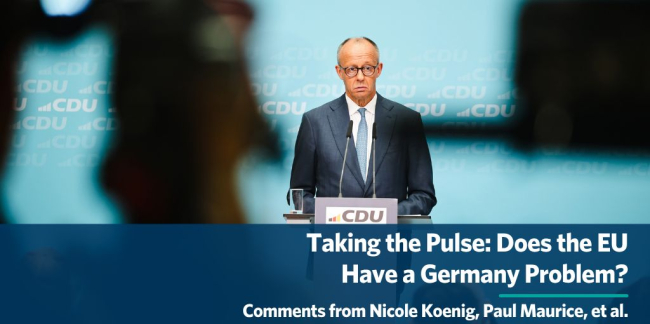
Taking the Pulse: Does the EU Have a Germany Problem?
Are Germany’s economic, industrial, and political struggles becoming a liability for the EU’s ability to rise to the geopolitical moment?
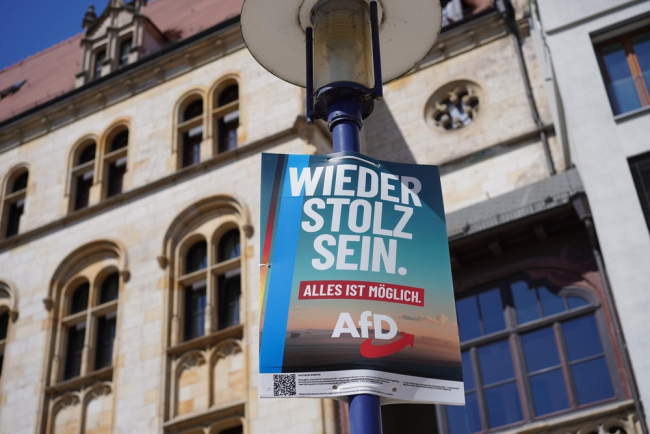
From Protest to Power? The AfD Ahead of the Eastern State Elections
The September state elections will test the AfD’s transition from protest force to potential governing power amid growing political fragmentation and dissatisfaction with Chancellor Friedrich Merz and his coalition. While firmly established in eastern Germany, the AfD is also gaining ground in the west, raising questions about coalition-building and the future direction of German politics.
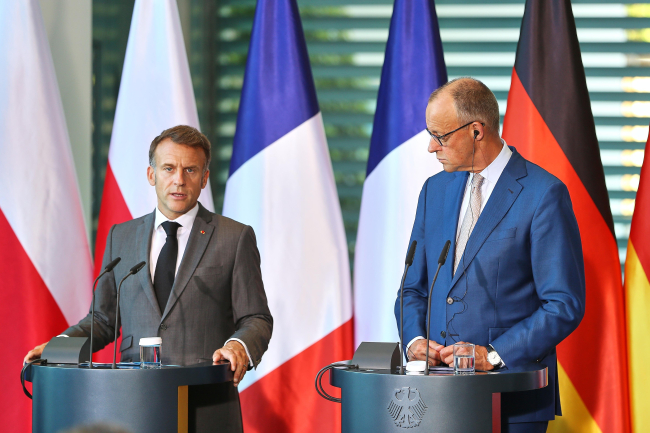
France-Germany: Overcoming Differences to Strengthen European Sovereignty
The Franco-German “reset” launched with Friedrich Merz’s appointment as Chancellor in May 2025 and given concrete form at the Franco-German Council of Ministers (FGCM) in Toulon in August 2025 was intended to address the structural challenges affecting the bilateral relationship. Yet it is clear that these ambitions have only been partially translated into concrete action. Since the beginning of 2026, Franco-German relations have entered a phase in which short-term challenges have combined with deeper divergences over priorities, policy approaches, and strategic culture.