





Practical information
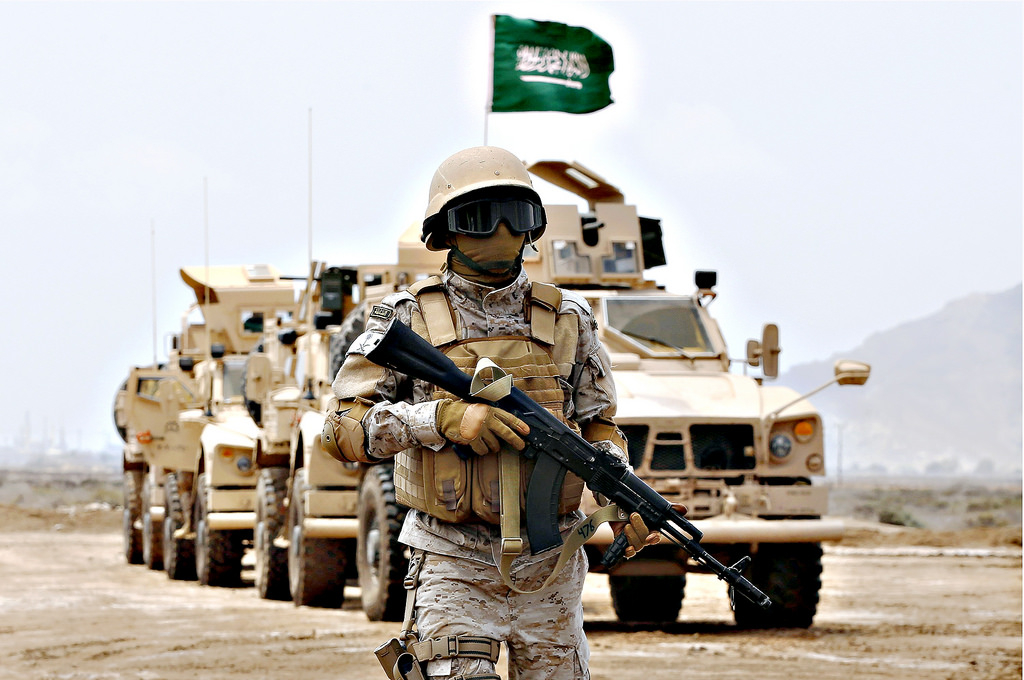
Yemen has been shaken for several years by a war combined with an unprecedented humanitarian crisis. The 2011 “Yemenite Spring”, followed by the Houthi rebel militia’s coup of 2014 generated the conflict which took a regional dimension, entrenching the logic of the blocks: Iran’s support to Shia Houthis provoked the intervention of a Sunni-Arab coalition led by Saudi Arabia in Yemen (2015, March). The progressive internationalization of the war (US back-up to the coalition, spillover into the Horn of Africa, arms contract with European countries), undermines the prospect of conflict resolution, while the social and institutional fragmentation sets the ground for Al Qaeda and ISIS terrorism.
Between regional consequences and protracted conflict, civil war and power confrontations, what medium term consequences should be expected from the Yemeni conflict?
9h00 – 9h30 - Opening talk: Ismail Ould Cheikh Ahmed, Special Envoy of the UN in Yemen
9h45 – 11 h 15 - 1st panel: Yemen in conflict
Moderator: Elie Tenenbaum, research fellow at Ifri’s Security Studies Center, coordinator of the Defense Research Unit (LRD)
- “Military operations: the state of play”, Fatiha Dazi-Heni, Researcher, IRSEM
- “Political developments and perspectives”, Marine Poirier, Research fellow, IREMAM, Aix-en-Provence
- “The humanitarian crisis: what kind of emergency?”, Isabelle Moussard-Carlsen, regional Director of operations, Action contre la faim
11 h 15 – 11 h 30 - Coffee break
11 h 30 – 13 h 00 - 2d panel: Regional consequences of the crisis
Moderator: Dorothée Schmid, Head of the Turkey / Middle East program, Ifri
- “Towards a new regional strategic landscape”, François Frison-Roche, Researcher CNRS-CERSA, Paris
- “A boost to Islamic terrorism?”, David Rigoulet-Roze, Researcher IFAS, managing Editoro of Orients Stratégiques
- “France and the issue in Yemen”, Adrien Pinelli, Deputy-Director for the Middle-East, French Ministry of Foreign Affairs
Other events
The EU–India Defense Partnership in an Evolving Security Environment
On 27 January 2026, the European Union and India signed a Security and Defence Partnership on the sidelines of the EU-India Summit. This agreement marks an important step in the evolution of the strategic partnership between the two sides, placing security and defence at the heart of a relationship that has until now been driven primarily by trade and economic cooperation.
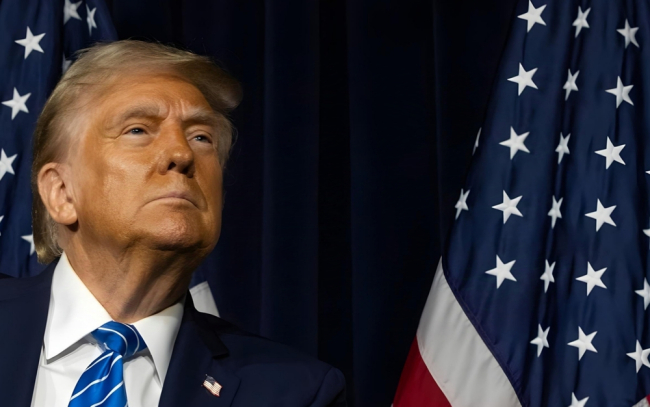
One Month Ahead of the Midterms: Where Is Trump’s America Headed?
The 24th edition of the Ifri Americas Programme Annual Conference will examine the dynamics at play in the United States and their implications for Europe and the transatlantic relationship. will examine the dynamics at play in the United States and their implications for Europe and the transatlantic relationship.