


Practical information
Accessibility
Themes and regions
Related centers and programs
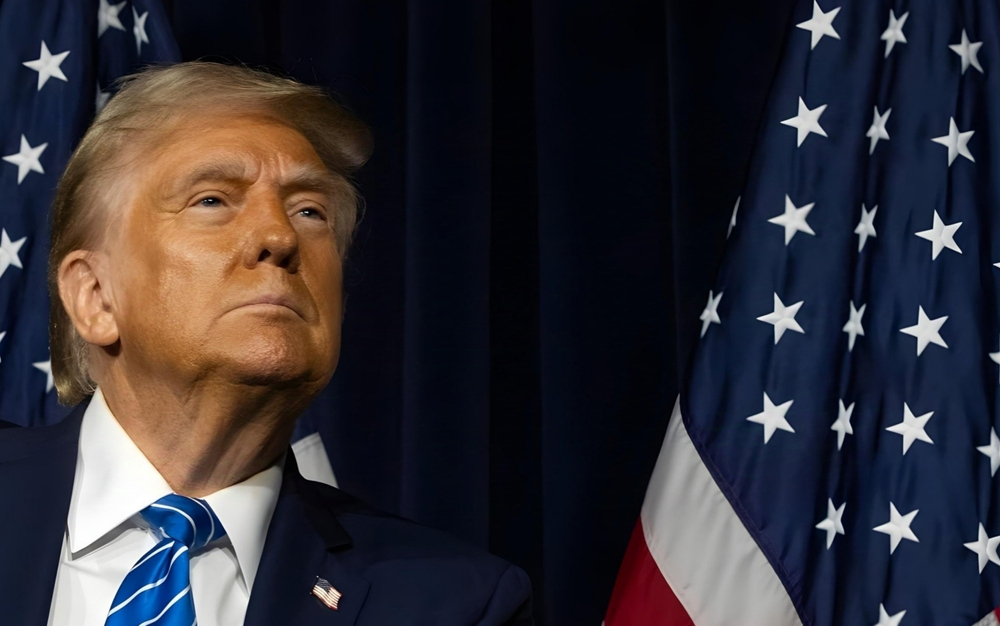
The 24th edition of the Ifri Americas Programme Annual Conference will examine the dynamics at play in the United States and their implications for Europe and the transatlantic relationship. will examine the dynamics at play in the United States and their implications for Europe and the transatlantic relationship.
The November elections will be a test of President Trump’s grip on the U.S. political landscape and, by extension, on global geopolitics. As the political battle intensifies ahead of the vote, the U.S. economy remains resilient despite inflation and the twists and turns of trade policy, while the international order continues to be deeply unsettled by the war with Iran.
Program
Introduction: Laurence Nardon, Head of the Americas Program at Ifri
9:30-11:00 - The November Elections: Stakes, Results & Consequences? (in English)
One month ahead of the midterm elections, this panel will bring together a pollster, an academic, and a lawyer for a timely and insightful debate on the state of U.S. politics.
Rachel Beatty Riedl, Peggy J. Koenig '78 Director of the Cornell Center on Democracy, Professor, Department of Government and Brooks School of Public Policy, Cornell University
Chloe Bertholon, Senior Research Director, Echelon Insights
Laurent Cohen-Tanugi, Member of the Paris and New York Bars, and political writer
Moderator : Célia Belin, Head of the European Council on Foreign Relations (ECFR) Paris office and Senior Policy Fellow
11:30-13:00 - The U.S. Economy: Performance & Outlook (in French)
What is the true state of the U.S. economy? This panel will take stock of the latest macroeconomic indicators, provide a perspective from the business community, and assess the administration’s trade policy.
Anne Dias, Founder and CEO, Aragon
Florence Pisani, Chief Economist, Candriam
Jean-Baptiste Velut, Professor, Contemporary American Political Economy, Sorbonne Nouvelle
Moderator: Virginie Robert, Chief Editor of the International Desk, Les Echos
14:30-15:00 – Keynote Address by Martin Briens, Secretary General of the Ministry of Foreign Affairs
“What Lies Ahead for the Transatlantic Relationship?” (in French, under the Chatham House rule)
15:00-16:45 - What Role for the United States in the World? (in English)
This panel will bring together experts representing different perspectives on U.S. foreign policy to debate the role of the United States in the international order and the future of transatlantic relations.
Andrew L. Peek, Director of the Adrienne Arsht National Security Resilience Initiative of the Scowcroft Center for Strategy and Security at the Atlantic Council
Peter Trubowitz, Professor of international relations and Director of the Phelan United States Centre at the London School of Economics (LSE)
Tara Varma, Managing Director, Strategic Foresight and Director, German Marshall Fund of the United States (GMF) Paris Office
Moderator: Sylvie Kauffmann, Foreign Affairs Columnist, Le Monde
Contact
For more information about the conference, please contact [email protected]
Our partners


Related Subjects
Other events
COP31 in Antalaya: State of the Global Climate Governance, Issues, Perspectives
COPs have become a year-end marathon to revigorate a world now entering the era of climate overshoot. While Türkiye exhibits the largest coal-fired power generation in OECD Europe, it has embraced the electrification agenda and aims at joining forces with Australia on fostering action and implementation. This is an unusual de facto co-presidency arrangement, but one that could yield promising results. This webinar will take stock of what climate governance has achieved and of the issues still to be negotiated, and explore what impetus this Turkish–Australian partnership could provide.
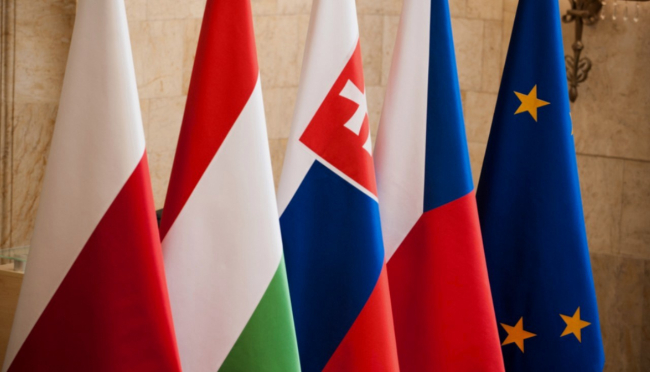
A New Moment for Central Europe? Regional Cooperation in a Time of European Strategic Choices
Recent political developments in Central Europe have revived the debate about the future of regional cooperation and the Visegrád Group. Changes in Hungary, Poland, the Czech Republic and Slovakia, together with Austria’s growing interest in closer cooperation with its neighbours, could create new opportunities for dialogue and coordination around shared priorities.