





Practical information
Following the publication of “Europe and Energy: Building new Perspectives” by Cécile Maisonneuve, Ifri Energy Center organizes a roundtable conference with Cécile MAISONNEUVE, Senior Advisor, Ifri Center for Energy, Kilian GROSS, acting Head of Unit, Responsible forE nergy Policy Coordination, G Energy, European Commission, François-Régis MOUTON, Chairman, Gas Naturally, Graham WEALE, Chief Economist, RWE AG
Chaired by: Marie-Claire AOUN, Director, Ifri Center for Energy and Jacques LESOURNE, President of the Scientific Committee, Ifri Center for Energy
European energy policy currently faces several challenges: successful implementation of an internal energy market, security of the gas supply under the current tensions between Russia and Ukraine, impact of vast renewable energy generation on electricity markets and a need to improve the functioning of the carbon market. At the beginning of a challenging legislative period, a new path for European energy policy needs to be considered.
This conference will address different aspects of European energy policy, focusing on the governance issue. While the current crisis between Ukraine and Russia brings security of supply back to the top of the agenda, building a truly integrated approach is a priority, now more than ever. This means better coordinating the European strategy with the rapid evolutions taking place on the international energy stage, as well as rethinking the well-known triangle between security, competitiveness, and sustainability, so that it does not become a trilemma, that is, an impossible choice. This requires a better balance between EU institutions, which have to lead the vision, and Member States.
Other events
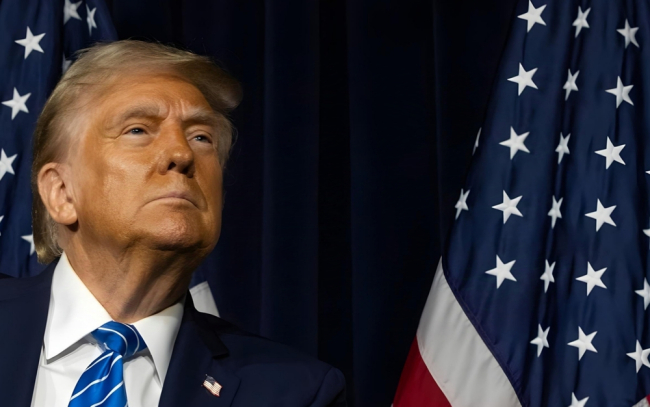
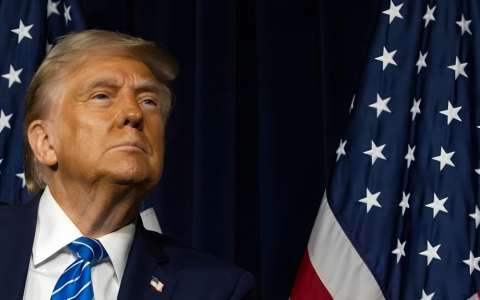
One Month Ahead of the Midterms: Where Is Trump’s America Headed?
The 24th edition of the Ifri Americas Programme Annual Conference will examine the dynamics at play in the United States and their implications for Europe and the transatlantic relationship. will examine the dynamics at play in the United States and their implications for Europe and the transatlantic relationship.
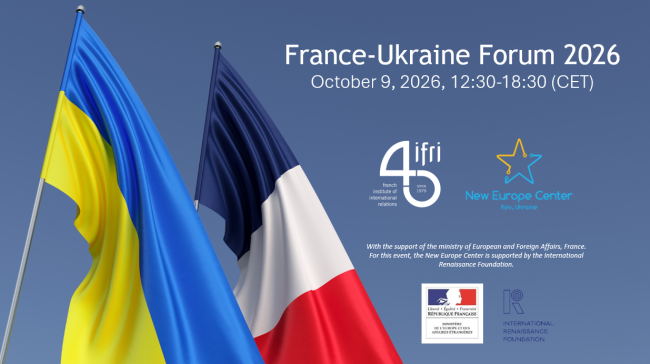
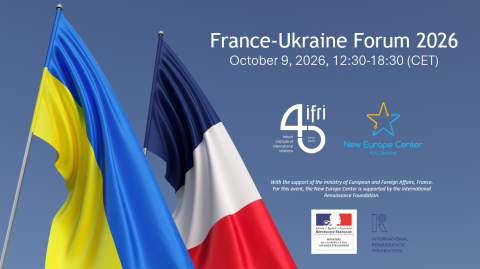
France-Ukraine Forum 2026
More than four and a half years after the start of the full-scale war launched by Russia against Ukraine, the 2026 France-Ukraine Forum will bring together policymakers, experts, academics, and civil society representatives from both countries to discuss three main topics: the formats and conditions for a lasting diplomatic settlement; Ukraine’s Euro-Atlantic integration, encompassing both the EU accession process and closer ties with NATO; and the societal transformations of postwar Ukraine, as well as its prospects for reconstruction.
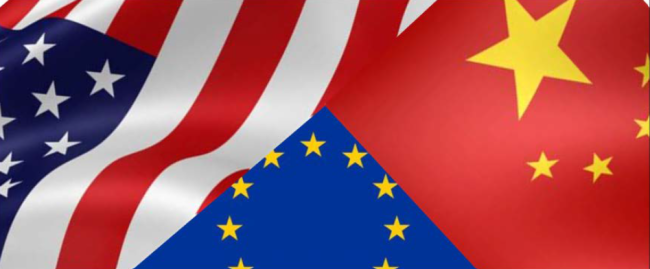
The EU in a World of Economic Warfare: Trade, Geopolitics, and the Battle for Economic Sovereignty
The international trading system has become a primary theatre of geopolitical competition. Tariffs, sanctions, and technology controls have replaced dialogue as the default instruments of economic relations.