




Global gas market trends and the role of gas in the European energy transition

Practical information
There is a sustained global demand growth for gas. Ample production and large investments into LNG export infrastructures in Australia and the USA and into receiving terminals all over the world are boosting trade, supported by lower prices and more flexible supplies. Emerging economies have been increasing gas demand and LNG imports, yet gas will have to find its way in these markets where coal strongly dominates power generation and renewable energy sources are strong competitors.
Europe remains dominantly supplied by pipeline gas, mainly from Russia and gas supply security concerns have eased. The attention has increasingly shifted towards a fundamental discussion about the role of gas in the context of decarbonizing energy systems, which is critical as gas is a very capital intensive industry that requires clear policy signals. While the role of gas in Europe is expected to remain steady in the medium-term, this fundamental, longer-term issue for the industry and policy makers remains to be clearly addressed.
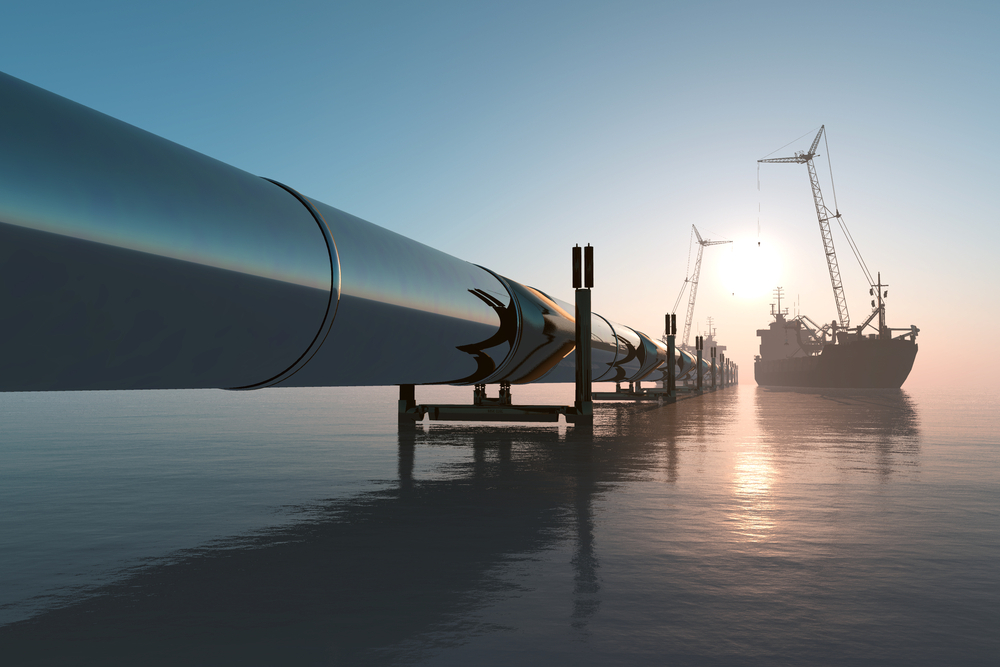
This energy breakfast aims at taking stock of recent global gas market trends, with a focus on investments and their implications and discussing opportunities and challenges to the current and longer term role of gas in the European energy and power generation mix. The proposed discussion comes at a critical time for the EU energy policy agenda: coal fired power generation is expected to progressively decline and power markets require flexibility, climate policy instruments, electricity and gas market regulation as well as transport policies, where gas has a growing role to play, are being adjusted or reshaped; and “green gas” and hydrogen, alongside batteries, electric vehicles and CCS are emerging as possible new tools for the European energy transition.
The energy breakfast will start with presentations from the distinguished speakers and will end with a broad discussion with the audience.
Moderator: Marc-Antoine Eyl-Mazzega, Directeur, Centre Energie, Ifri
Speakers:
- Global gas markets, investments and medium term perspectives
Laszlo Varro, Chief Economist, International Energy Agency
- The future of gas demand in the European energy transition
Sylvie Cornot Gandolphe, Associate Research Fellow, Ifri
- Developments and opportunities for gas in Europe – an industry perspective
Fabrice Noilhan, Senior Executive Vice-President, Gaz, EDF
Other events
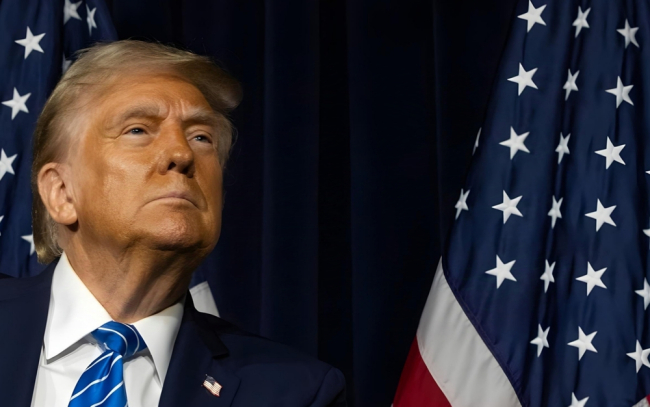
One Month Ahead of the Midterms: Where Is Trump’s America Headed?
The 24th edition of the Ifri Americas Programme Annual Conference will examine the dynamics at play in the United States and their implications for Europe and the transatlantic relationship. will examine the dynamics at play in the United States and their implications for Europe and the transatlantic relationship.
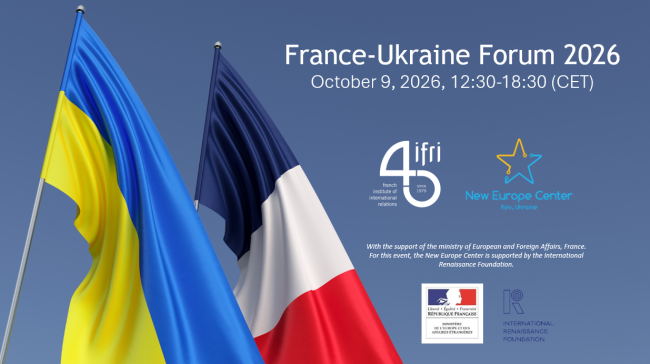
France-Ukraine Forum 2026
More than four and a half years after the start of the full-scale war launched by Russia against Ukraine, the 2026 France-Ukraine Forum will bring together policymakers, experts, academics, and civil society representatives from both countries to discuss three main topics: the formats and conditions for a lasting diplomatic settlement; Ukraine’s Euro-Atlantic integration, encompassing both the EU accession process and closer ties with NATO; and the societal transformations of postwar Ukraine, as well as its prospects for reconstruction.
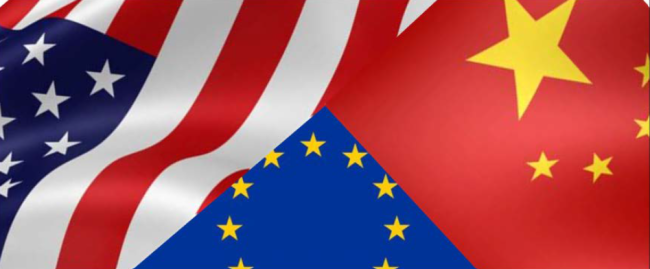
The EU in a World of Economic Warfare: Trade, Geopolitics, and the Battle for Economic Sovereignty
The international trading system has become a primary theatre of geopolitical competition. Tariffs, sanctions, and technology controls have replaced dialogue as the default instruments of economic relations.