




Practical information
Themes and regions
Related centers and programs
This is a private event.
Learn more about our corporate support packagesProgramme prévisionnel :
9h-10h : Discours introductifs
Mansouria Mokhefi, responsable du programme Moyen-Orient/Maghreb de l"Ifri
Jean-Pierre Chevènement, sénateur du Territoire de Belfort, co-président du groupe de travail Sahel de la Commission des affaires étrangères, de la défense et des forces armées du Sénat
Alain Antil, responsable du programme Afrique subsaharienne de l"Ifri
10h-12h30 : Table ronde I
Vers une nouvelle géopolitique du Sahara
Présidence : Zyad Limam, président et directeur des rédactions, Afrique Magazine International
Jean-François Daguzan, directeur-adjoint, Fondation pour la recherche stratégique, directeur de la revue Maghreb-Machrek
Bakary Sambe, enseignant-chercheur, centre d'étude des religions (UFR-CRAC), université Gaston Berger de Saint-Louis, Sénégal
Salim Chena, ATER, Sciences Po Bordeaux
Wolfram Lacher, chercheur associé, Département Moyen-Orient/Afrique, SWP, Berlin
14h30-16h30 : Table Ronde II
Redéfinir le paysage des migrations
Présidence : Christophe Bertossi, directeur, Centre Migrations et Citoyennetés, Ifri
Michel Peraldi, directeur de recherche, Ecole des hautes études en sciences sociales (EHESS), Paris
Stéphanie Pouessel, anthropologue, Institut de recherche sur le Maghreb contemporain, Tunis
Ali Bensaâd, maître de conférences, université Aix-Marseille, enseignant-chercheur, CNRS-IREMAM, Aix en Provence
Speakers

Our team
Related Subjects
Other events
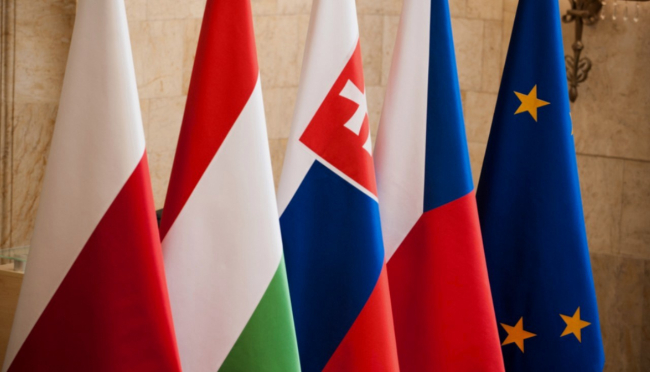
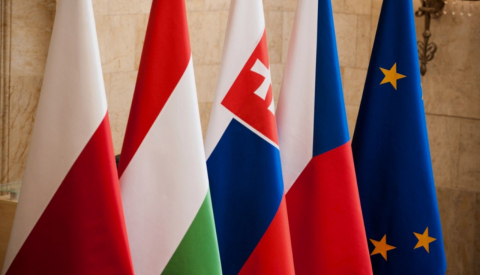
A New Moment for Central Europe? Regional Cooperation in a Time of European Strategic Choices
Recent political developments in Central Europe have revived the debate about the future of regional cooperation and the Visegrád Group. Changes in Hungary, Poland, the Czech Republic and Slovakia, together with Austria’s growing interest in closer cooperation with its neighbours, could create new opportunities for dialogue and coordination around shared priorities.
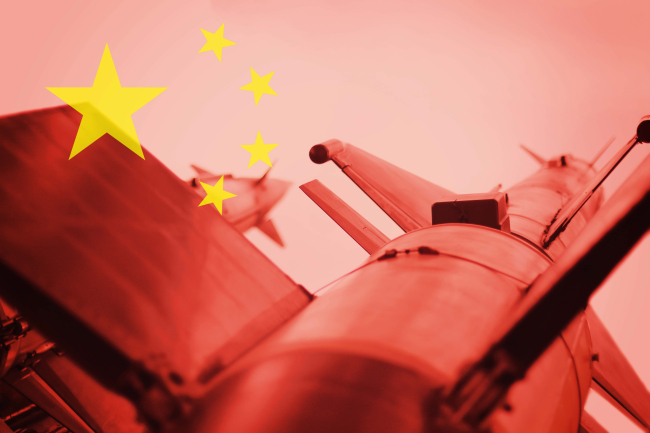
China’s Nuclear Buildup: Developments, Drivers, and Implications for Major-Power Relations and Arms Control
China has been steadily expanding its nuclear arsenal for several years amid levels of geopolitical tension unseen since the end of the Cold War, marked by a resurgence in nuclear proliferation and a broader, global arms race.

Reinventing Coordination in an Age of Fragmentation
The world economy is being reordered. The certainties of the post-Cold War era, open trade, dollar centrality, predictable multilateral coordination, are giving way to a landscape shaped by rivalry between the United States and China, the weaponization of interdependence, and a scramble to secure supply chains, technologies and critical resources. What once looked like a stable architecture now appears fragile, contested, and in places actively being dismantled.