




Politique étrangère
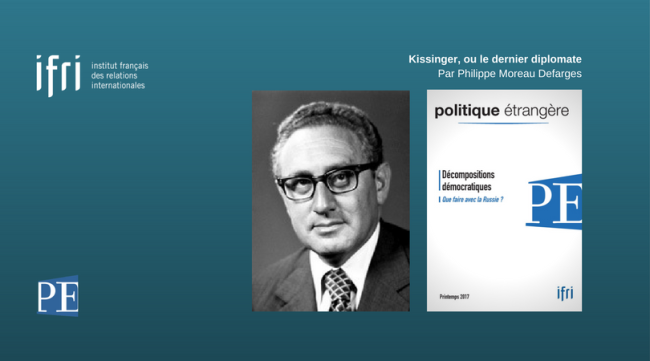
Kissinger, or the Last Diplomat
In the second half of the 20th century, Kissinger evokes the fundamental choices underpinning American diplomacy.

The Mediterranean: a Sea of Crises?
The Mediterranean is currently an intersection of upheavals and crises. Destabilization on its southern shores, uncontrolled migrations, simmering hostilities in the east surrounding exploitation of energy resources, military presence of all the great world powers (from Washington to Beijing, and Moscow of course), and increasing assertion of regional powers…
Brexit: What Happened? What is Going to Happen?
The Brexit referendum demonstrated the fundamental reticence of the British to embrace the ethos underpinning the European construction, the powerlessness of politicians to explain it clearly to the public, the particular difficulties of the main political parties involved, as well as the development of a specifically English nationalist sentiment.
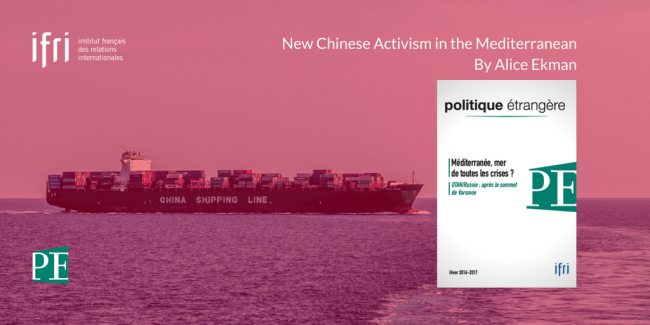
New Chinese Activism in the Mediterranean
Chinese presence in the Mediterranean is increasing: propositions for cooperation forums with various southern European countries, investment in port terminals, military maneuvering, evacuation of citizens, etc.
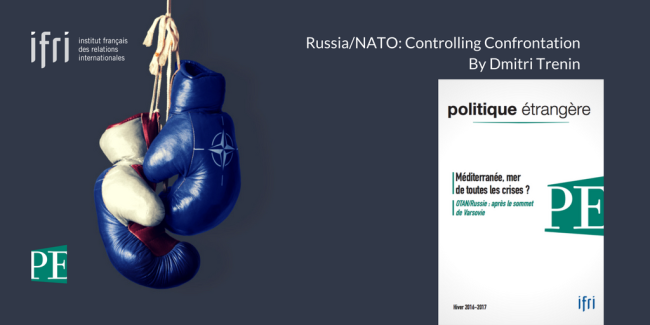
Russia/NATO: Controlling Confrontation
Current hostilities between the United States, NATO and Russia, though they might not be at Cold War levels, do indicate real danger. NATO’s continued expansion toward the east and the deployment of defensive American antimissiles in Europe constitute serious strategic problems for Moscow.
Latin America's Dashed Hopes
Only recently, Latin America seemed to embody an inexorable movement towards political democratization, towards a decrease in stark inequalities as well as greater involvement in the global economy. But the dream remains unrealized.
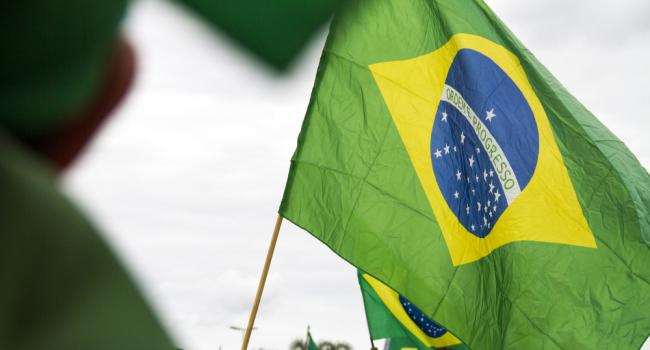
Brazil: the Harder they Fall
During the 2000s, Brazil's economy took off, with growth driven primarily by strong Chinese demand for commodities. Within a decade, the Brazilian middle class increased from 30% to 50% of the population.
Ifri, a foundation recognized as being of public utility, relies largely on private donors – companies and individuals – to guarantee its sustainability and intellectual independence. Through their funding, donors help maintain the Institute's position among the world's leading think tanks. By benefiting from an internationally recognized network and expertise, donors refine their understanding of geopolitical risk and its consequences on global politics and the economy. In 2026, Ifri partners with over 90 French and international companies and organizations.
