




Practical information
Accessibility
Themes and regions
Related centers and programs
EU-US Energy Relations in Times of Global Reshuffling
The United States aims for global energy dominance and leading in the global IA race, using all available and competitive energy resources, notably natural gas and nuclear.
Titre Edito
Watch the livestream
Watch the livestream
Emergency powers were used to push through dozens of decisions, not least to reinvigorate coal and nuclear power. Meanwhile, the U.S. electricity system sees a growth in solar generation and battery storage. The European Union has reached 75% of low carbon electricity and is also preparing to push for more gas generation capacity and to expand nuclear and renewables further. EU-U.S. energy relations have been boosted by record volumes of U.S. LNG exported via the Atlantic through almost a virtual pipeline in 2025, and new offtake agreements.
There is a common interest in nuclear value chains, fusion, geothermal, electricity storage, critical raw materials and natural gas in bilateral relations. Both the U.S. and Europe must ramp up grids and flexibility tools. Yet divergences have emerged over Europe’s legislation, notably the CSRD/CS3D, the methane regulation and other environmental rules and climate related issues as the U.S. has been deregulating. While traded volumes are expanding, respective Foreign direct investments in the energy sector are slowing.
This conference aims to discuss the status of transatlantic energy relations, how to bridge differences and the way forward in the coming years.
Program
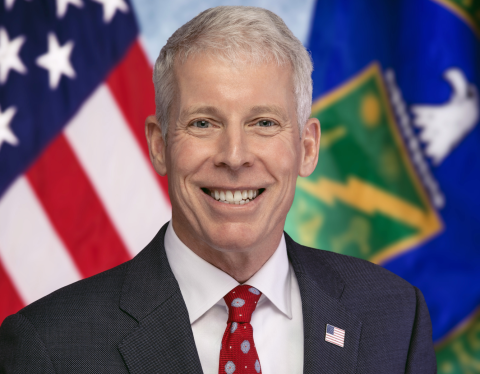
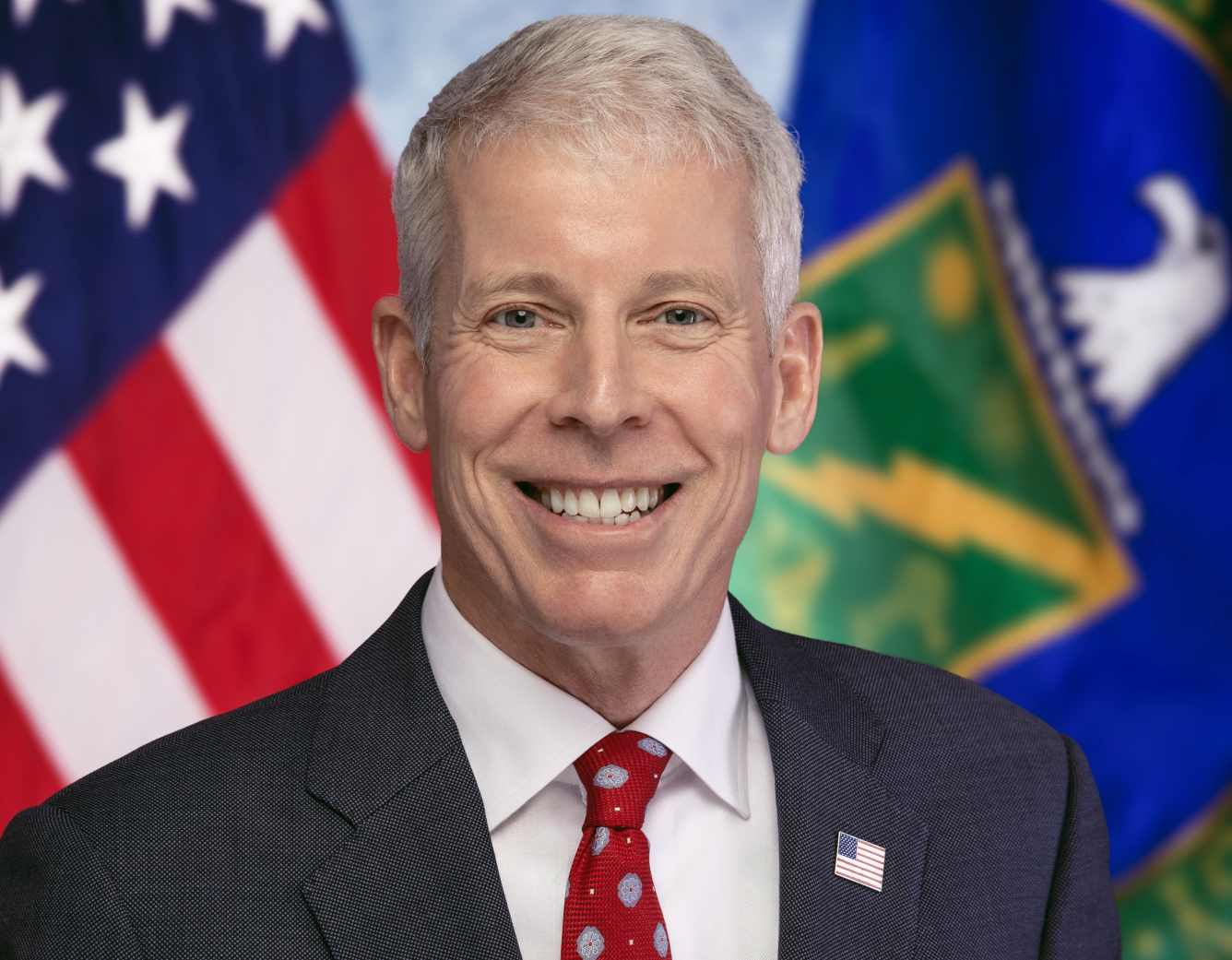
17:15 – 17:35 | Introductory remarks by Chris Wright, Secretary, U.S. Department of Energy
17:35 – 18:15 | Discussion with the participants
Moderation: Marc-Antoine Eyl-Mazzega, Director, Center for Energy and Climate, Ifri
Please note that the event is by invitation only. It will be held in English without translation.
Contact
Alexandra BOR
Assistant to the Center for Energy & Climate, Ifri

Find out more
The New US Energy Policy: Energy Dominance or Fallback?
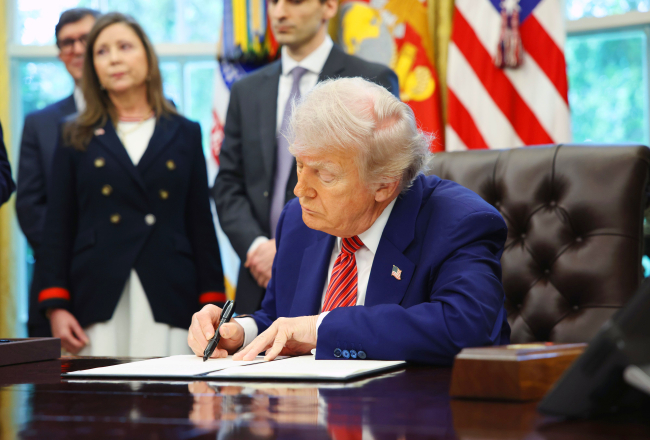
Since taking office, President Trump has defined and started to implement a new energy strategy for the United States (US), aimed at supporting fossil fuels, the nuclear industry, and the critical minerals sector.
Placing the EU on a Warfare Footing: Energy and Raw Materials Priorities for 2026
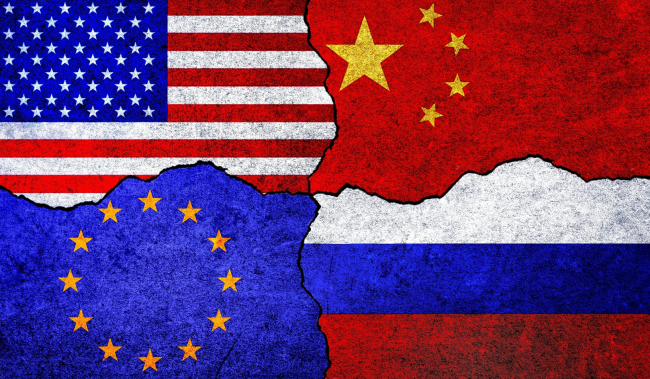
The year 2025 has confirmed that one must prepare for much worse in the field of geopolitics and geoeconomics as the intensity and frequency of shocks increase and as the European Union (EU) has no more stable flanks now that crises with the United States (US) become so frequent and reveal a systemic rift. In the world, barriers to trade multiply and dependencies are weaponized.