






Practical information
Accessibility
Themes and regions
Related centers and programs
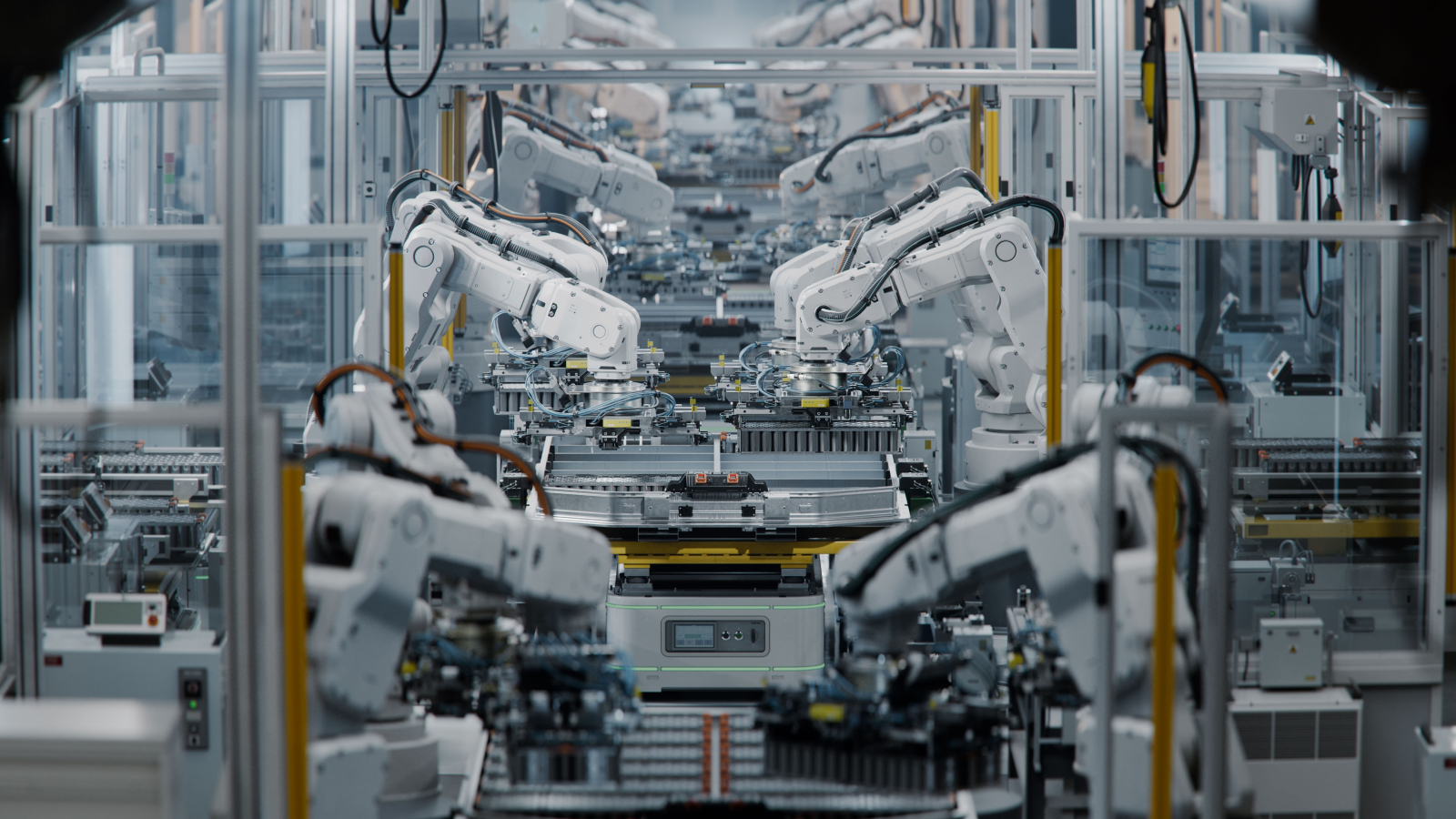
Economic security aims to ensure the resilience of supply chains for key industries: the case of electric vehicle production in Japan and Europe will be discussed.
Replay
This seminar delves into the evolving concept of economic security in the context of the worsened great powers rivalry, with a particular focus on the electric vehicle (EV) supply chains—a key sector at the intersection of global trade, technology, and geopolitics. The EV market is facing significant disruptions from trade policies, technological competition, and shifting alliances. Experts will analyze the geopolitical pressures influencing this crucial industry, focusing on the case of Europe and Japan, exploring how countries can safeguard their economic interests, enhance supply chain resilience, and maintain competitiveness in a rapidly evolving global economy.
PROGRAM
Following a brief (10 minutes max) set of remarks by each speaker, the discussion will interactive and led by the Chair. Q/A from the audience will be included in the discussion.
Chair: John SEAMAN, Center for Asian Studies, French Institute of International Relations (Ifri)
- Aya ADACHI, Associate Fellow, Center for Geopolitics, Geoeconomics, and Technology, DGAP.
- Marie KRPATA, Research Fellow, Study Committee on Franco-German Relations (CERFA), Ifri
- Henry SANDERSON, Associate Fellow, RUSI, visiting fellow, Oxford institute for energy studies.
This seminar will be held online and in English language only.
Contact
Céline PAJON
Research Fellow, Head of Japan and Indo-Pacific Research, Center for Asian Studies, Ifri

Related Subjects
Other events
France-Ukraine Forum 2026
More than four and a half years after the start of the full-scale war launched by Russia against Ukraine, the 2026 France-Ukraine Forum will bring together policymakers, experts, academics, and civil society representatives from both countries to discuss three main topics: the formats and conditions for a lasting diplomatic settlement; Ukraine’s Euro-Atlantic integration, encompassing both the EU accession process and closer ties with NATO; and the societal transformations of postwar Ukraine, as well as its prospects for reconstruction.
The EU in a World of Economic Warfare: Trade, Geopolitics, and the Battle for Economic Sovereignty
The international trading system has become a primary theatre of geopolitical competition. Tariffs, sanctions, and technology controls have replaced dialogue as the default instruments of economic relations.
The Road to 27 Electrification Action Plans: Planning and Investing in Europe’s Electric Future
The European Commission’s Electrification Action Plan places the continent on an electric path to structurally reduce dependence on fossil fuel imports and boost the energy transition in industry, transport and buildings.