

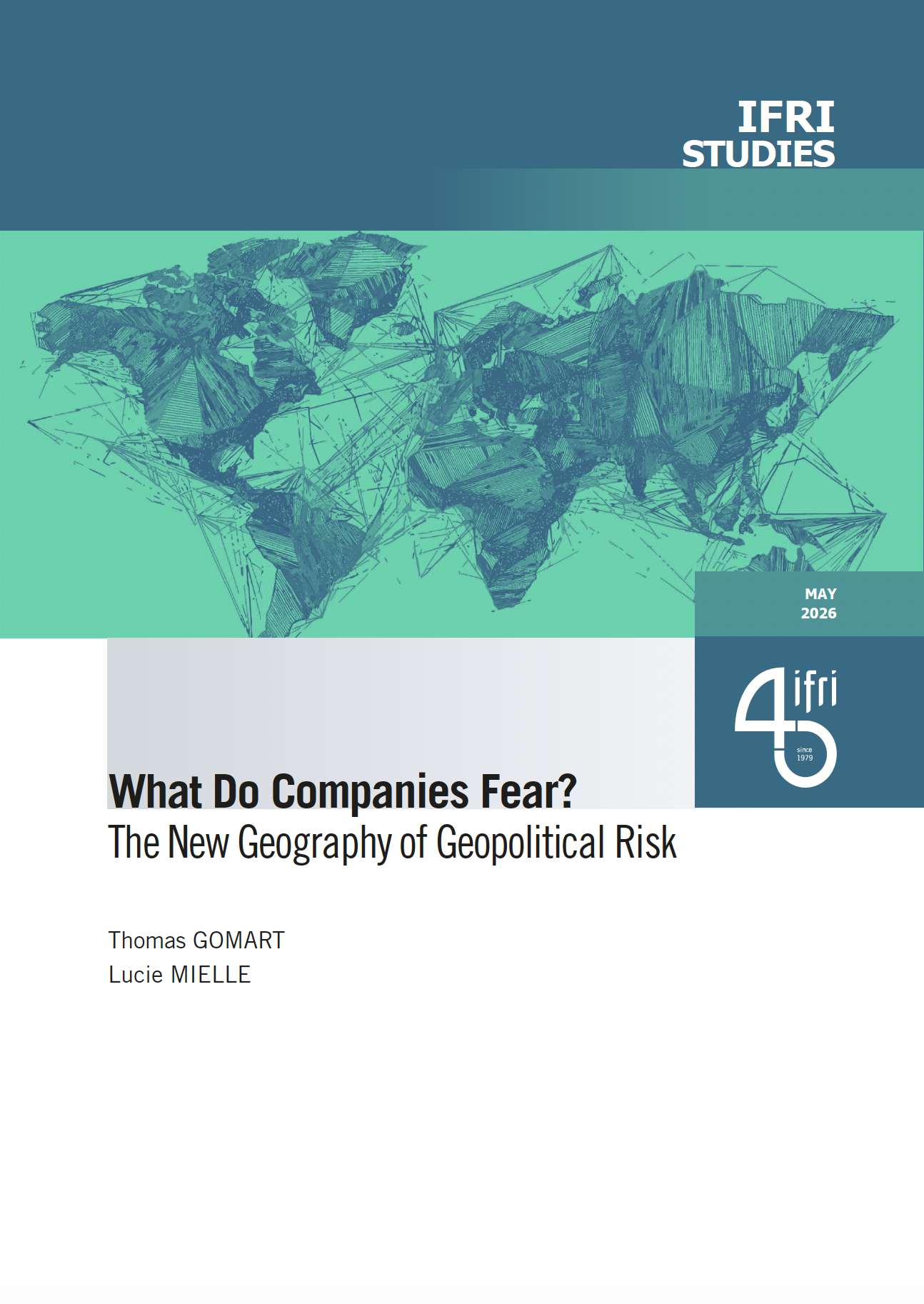
After Barkhane: Rethinking France’s Strategic Posture in West Africa

While building a solid combat partnership with local forces was at the heart of French strategy, the tricolor flag is leaving Mali in a context of diplomatic rupture and unequivocal progress of Russian influence in the country. At the same time, the outbreak of war in Ukraine transformed the European geopolitical landscape, unavoidably questioning France's expeditionary posture and its efforts to Europeanize the fight against terrorism in the Sahel. Finally, the jihadi threat continues to progress, gradually making its way to the countries of the Gulf of Guinea where the key French political, economic and security interests in the region are located.
This evolution makes it even more urgent for France to adapt its military and strategic posture in the entire region. It must first aim to redefine its ambitions and objectives, with a clear appreciation of the resources that can be devoted to them. Finally, it must lead to a global and coherent adaptation of its system.
This content is available in French: "Après Barkhane : repenser la posture stratégique française en Afrique de l’Ouest".

Author(s)

Laurent BANSEPT
Élie TENENBAUM
Director of Ifri’s Security Studies Center

Related centers and programs
Discover our other research centers and programs
Security Studies Center
Heir to a tradition dating back to the founding of Ifri, the Security Studies Center provides public and private decision-makers as well as the general public with the keys to understanding power relations and contemporary modes of conflict as well as those to come. Through its positioning at the juncture of politics and operations, the credibility of its civil-military team and the wide distribution of its publications in French and English, the Center for Security Studies constitutes in the French landscape of think tanks a unique center of research and influence on the national and international defense debate.
Defense Research Unit
The Defense Research Unit is a program that aims at stimulating the strategic debate by dealing with subjects at the junction of the “technico-operational” and the “political-strategic”. A unique structure in France, it brings together civilian researchers and “military fellows” from each of the three armies to produce work on defense policies, the capability and strategic adaptation of armies, and foresight on tomorrow's conflicts.
Find out more
Discover all our analyses
The Nuanced Relationship Between Public Opinion and Foreign Policy
Public sentiment is something decision-makers must contend with, especially in democratic states. However, the extent to which public opinion shapes foreign policy varies. Three Council of Councils experts in France, India, and Nigeria reflect on how public opinion does—and sometimes does not—affect foreign policy decisions.
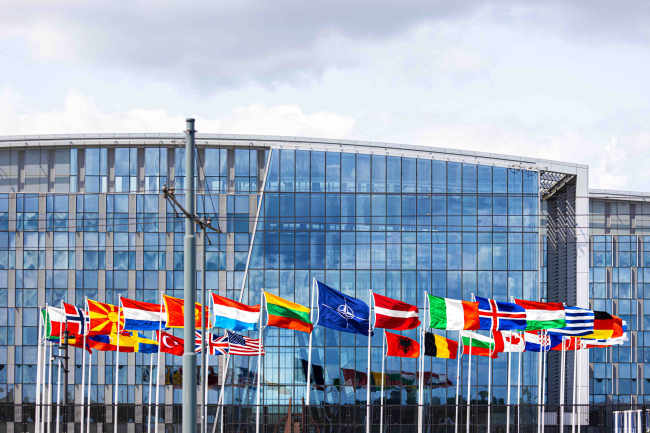
Taking the Pulse: Enough with the Annual NATO Summits, Already?
Over the past ten years, NATO has held almost as many summits as it did during the entirety of the Cold War. Are they still useful, or is it time to stop holding annual meetings?
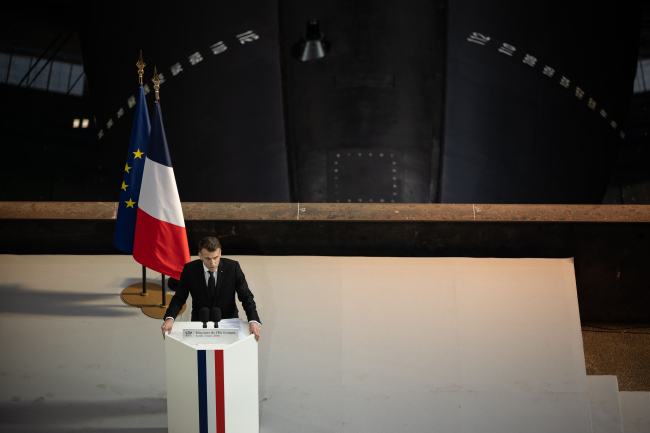
How does France’s nuclear deterrent contribute to the defense of Europe?
France’s nuclear deterrent, serving first and foremost to defend France’s vital interests, also contributes to the defense of Europe. This contribution has been recognized within the North Atlantic Alliance since 1974, but remains little known. In a speech closely followed by France’s European partners and its adversaries alike, President Emmanuel Macron announced a new concept for French nuclear deterrence: “forward deterrence” (dissuasion avancée). This article aims to explain the origins of this concept, outline its main pillars, and describe the partnerships that are sought. It then discusses the relationship with the U.S. doctrine of “extended deterrence”, and finally offers some ethical considerations.
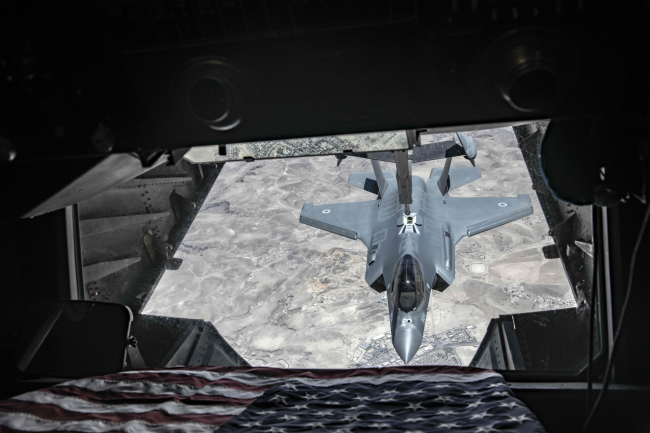
Fury from the Skies. A Strategic Analysis of Air Campaign against Iran
What is the outcome of Operations Roaring Lion (RL) and Epic Fury (EF), launched by Israel and the United States against the Islamic Republic of Iran on February 28, 2026?