



Japan’s Space Program: Shifting Away from “Non-Offensive” Purposes?
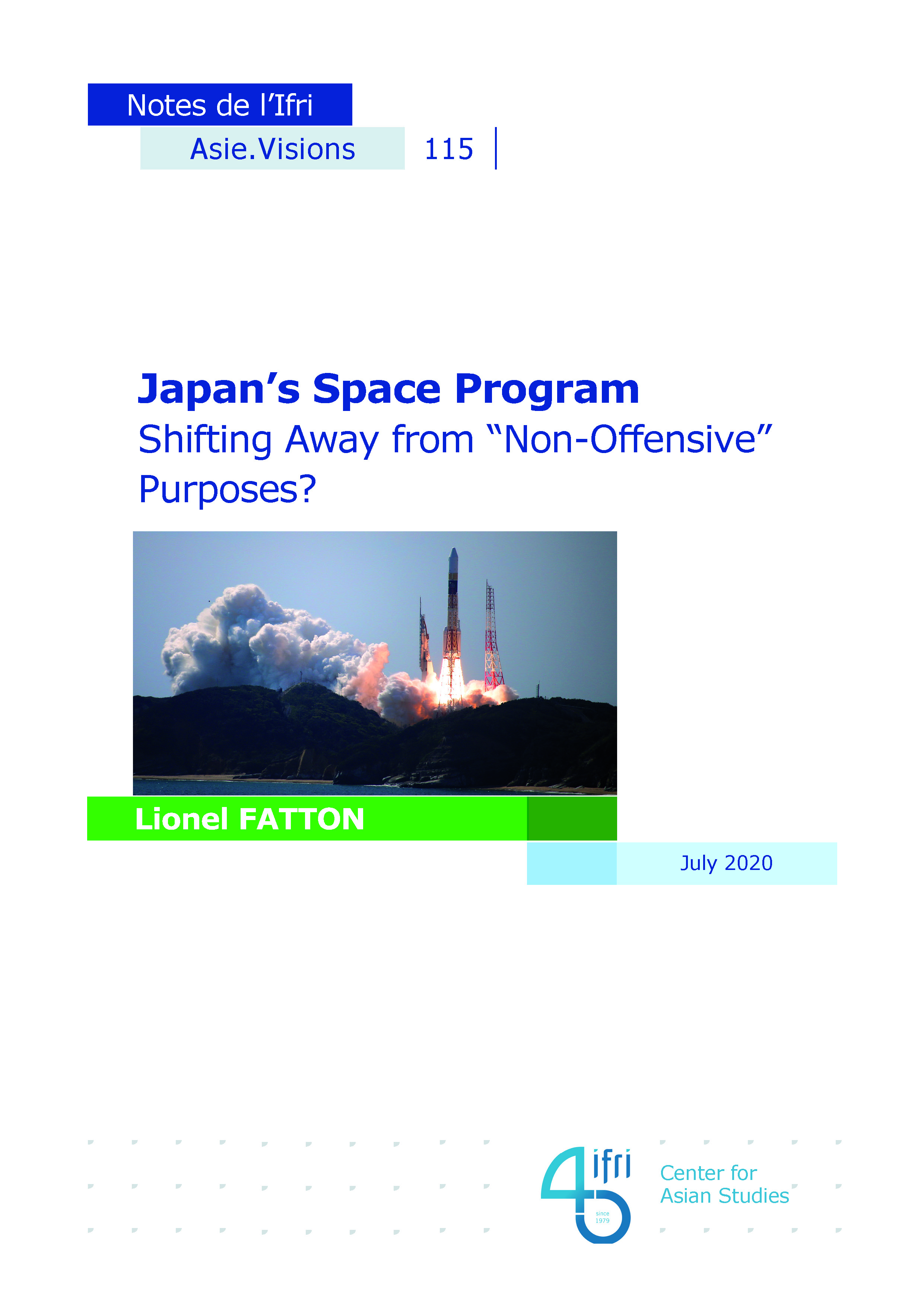
Japan’s space program has evolved greatly since the end of the Cold War, driven by a rapidly changing geopolitical environment and tailored by the emergence of an “intra-alliance hedging strategy”.
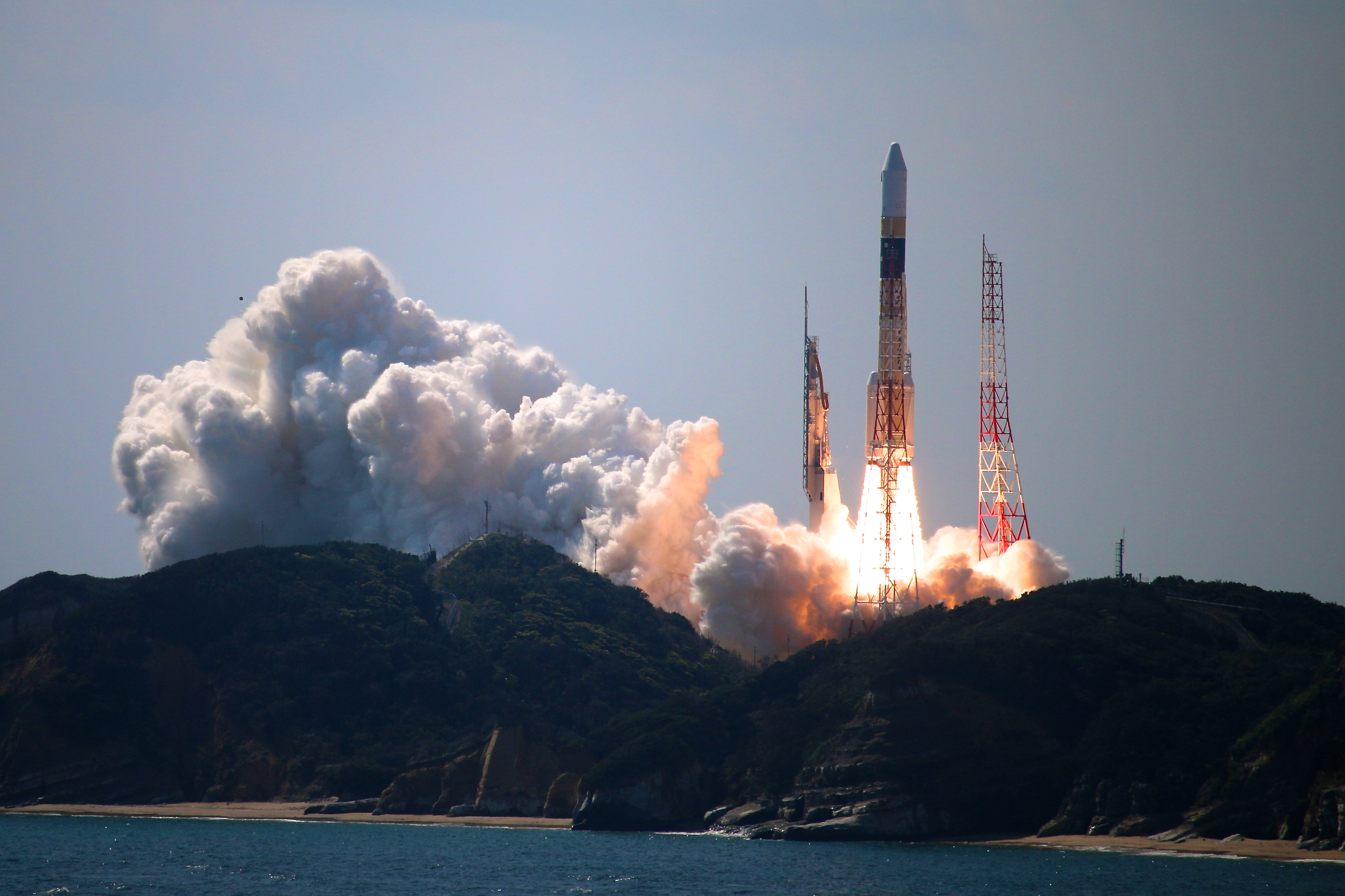
Concerns about the United States’ readiness and ability to fulfill its security commitments have led Tokyo to enact security reforms to enhance its value as an ally while moving toward a more autonomous defense posture to prepare for the worst-case scenario of abandonment. This has transformed the Japanese space program from one based on the principle of peaceful use of space to a program aimed at ensuring national security through non-offensive means.
The security track of Japan’s space program currently aims at boosting the combat prowess of the Self-Defense Forces (SDF) in accordance with the non-offensive principle, and at maintaining in all circumstances the ability to use space-based assets for this purpose. Therefore, the country is not militarizing outer space beyond what is necessary to guarantee the proper functioning of the SDF.
Modern warfare puts a premium on intelligence and interoperability between different military elements. Information-gathering and maritime domain awareness devices, positioning services and military communications satellites provide Japan with better understanding of its environment, help anticipate and tackle threats, and allow greater interoperability between the SDF services. And, because national security increasingly depends on space operations, space situational awareness has taken prominence in Japan’s space program as a way to protect space assets against orbital debris and anti-satellite weapons.
Partly due to domestic legal, political and budget constraints, cooperation with international partners remains crucial for Japan to ensure national security and develop key space assets. With both the United States and India, Tokyo is collaborating on positioning services, maritime domain awareness and space situational awareness to help coordinate troop movements among allies, boost sea and ocean monitoring across the Asia-Pacific, and protect space-based assets. Japan has also partnered with European countries to jointly develop space technologies, pursue deep-space exploration, cooperate on positioning services, and set international norms for space activities.
Japan has yet to join the big three in the 21st century military space race. Compared to the United States, China and Russia, Japan is still inhibited by domestic constraints when it comes to military-related affairs, and thus the use of space for security purposes. But, although Japan’s space program is today almost purely non-offensive in nature, the intra-alliance hedging strategy implies a potential weaponization of space, beyond the non-offensive principle. This offensive use of space could materialize through the acquisition of strike capabilities, and the development of Japan’s own anti-satellite weapons or of active defense systems for space assets.
Whether Japan will follow this path depends on a variety of factors. On the domestic side, political stability will be decisive for the swift adaptation of Japan’s space program to its environment. Internationally, the evolution of the United States’ grand strategy and involvement in the Asia-Pacific will be the most influential factor. The more Tokyo doubts Washington’s ability and willingness to fulfill its security commitments, the more intense its intra-alliance hedging strategy becomes, further penetrating and transforming the Japanese space program.
This page contains only a summary of our work. If you would like to have access to all the information from our research on the subject, you can download the full version in PDF format.
Japan’s Space Program: Shifting Away from “Non-Offensive” Purposes?


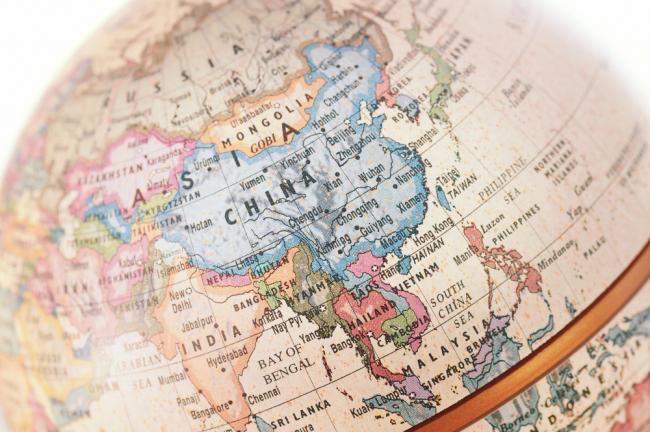
Center for Asian Studies
Asia is a nerve center for multiple global economic, political and security challenges. The Center for Asian Studies provides documented expertise and a platform for discussion on Asian issues to accompany decision makers and explain and contextualize developments in the region for the sake of a larger public dialogue.
The Center's research is organized along two major axes: relations between Asia's major powers and the rest of the world; and internal economic and social dynamics of Asian countries. The Center's research focuses primarily on China, Japan, India, Taiwan and the Indo-Pacific, but also covers Southeast Asia, the Korean peninsula and the Pacific Islands.
The Centre for Asian Studies maintains close institutional links with counterpart research institutes in Europe and Asia, and its researchers regularly carry out fieldwork in the region.
The Center organizes closed-door roundtables, expert-level seminars and a number of public events, including an Annual Conference, that welcome experts from Asia, Europe and the United States. The work of Center’s researchers, as well as that of their partners, is regularly published in the Center’s electronic journal Asie.Visions.

Pakistan and the Israel-Palestine Conflict: Transformation in Pakistan’s Approach After the War in Gaza
Pakistan has long combined vocal support for the Palestinian cause with covert engagement with Israel. Since the war in Gaza, this balance has become untenable: public opinion is united against Israel, joining Trump’s Board of Peace has drawn rare cross-party criticism, and new regional alignments put normalization out of reach.
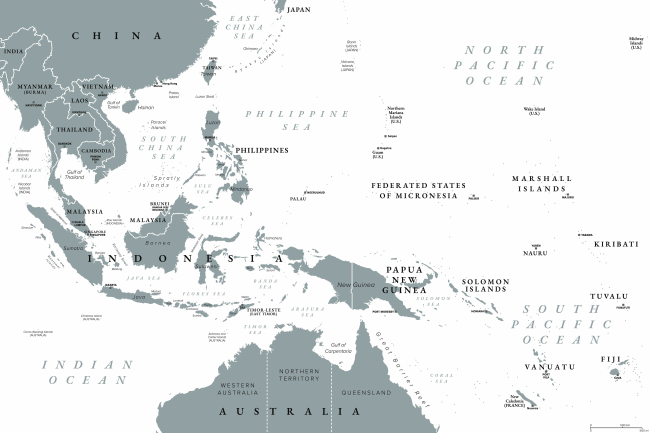
The Oceania Factor in France’s Evolving Indo-Pacific Strategy
This paper examines the two-way relationship between France’s Indo-Pacific strategy and developments in Oceania. Oceania was not a priority in the initial years of France’s Indo-Pacific strategy, as the region was largely treated as secondary to major strategic hotspots and key partnerships, while overseas territories were primarily handled as domestic issues and recipients of a top-down strategy.

France’s View: From Diplomacy to Public-Private Action
France has emerged as the EU’s IMEC forerunner, combining port infrastructure, diplomatic alliances and public-private cooperation. With Marseille Fos at its core, the country brings a strategic hub for logistics, energy and digital connectivity to the corridor.
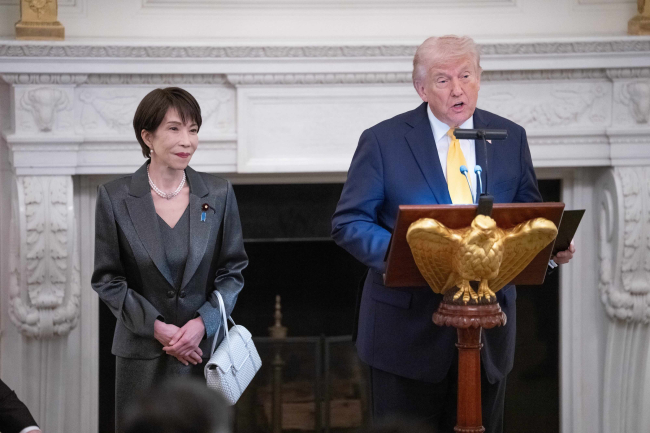
Trump II, the Crisis of the Rules-Based Order and Europe’s Indo-Pacific Strategy
This article examines the implications of Trump II for Europe’s engagement in the Indo-Pacific. The piece contends that Trump II is accelerating the erosion of the rules-based order and undermining the relevance of the Free and Open Indo-Pacific (FOIP) concept, while forcing Europe to refocus on its own continental security amid US retrenchment. Paradoxically, these very constraints create conditions for a more autonomous, pragmatic, and explicitly interest-driven European engagement in the Indo-Pacific, rather than outright withdrawal.