Search on Ifri.org

About Ifri

Frequent searches

Suggestions

German Economy

Description

Germany is the leading economic power in Europe with a highly internationalized system. It is currently compelled to adapt to a declining globalization and a transition in its energy model.

See all
Image principale

The Real Roots of Germany's Defense Spending Problem

Date de publication
24 July 2018
Accroche

The 1970s were a decade of anti-war movements. Willy Brandt received the Nobel Peace Prize for his détente policy toward the Eastern Bloc – and West German defense spending peaked at 3.13 percent of GDP in 1975. Clearly, those days are long gone.

Image principale

Dual system of professional training: keystone of "made in Germany"?

Date de publication
11 July 2018
Accroche

The German dual system of professional training is seen as an international reference model. It aims at training qualified employees for an innovative economy rather than being the last resort for less able pupils. Parents and adolescents regard apprenticeships as an entry ticket to a good job with career opportunities; companies value the advantages of practice-oriented training in situ conceived in cooperation with its own professionals as this spares them the costs of integrating school graduates.

Gerhard BOSCH

Five theses on the "refugee crisis" in Germany

Date de publication
31 May 2018
Accroche

The term "refugee crisis" is not uncontroversial in Germany; it is indeed accused of presenting the refugees as being responsible for the crisis. The events that have occurred since the summer of 2015 should rather be called "crisis of the authorities", given that Germany could have anticipated the massive increase in the number of refugees. The use of the term "refugee crisis" in this article is axiologically neutral and reflects its present common use in politics, the media and specialised literature.

France, Germany, Europe. Perspectives (1)

Date de publication
19 January 2003
Logo
Table.Briefings
Image principale médiatique

Greenland and transatlantic security: How Berlin, Warsaw and Paris could become more effective

19 January 2026
Nom du journal, revue ou émission
Table.Briefing
Accroche

European NATO countries are backing a presence in Greenland in response to Trump’s claim on the island. But the US president is escalating the conflict with threats of new tariffs. In an interview with Table.Briefings, experts call for institutional reforms – if Europe wants to become more capable of acting.

Logo
Logo Le Monde
Image principale médiatique

Macron and Merz try to revive challenging French-German partnership in Berlin

24 July 2025
Nom du journal, revue ou émission
Le Monde
Accroche

The French president and the German chancellor met on Wednesday, July 23, to prepare for a joint cabinet meeting scheduled for August 29. From defense projects to trade negotiations, several disagreements remain.

Logo
logo le Monde

Governing in coalitions: Commonplace throughout Europe, an oddity for France

25 June 2022
Nom du journal, revue ou émission
Le Monde
Accroche

French President Emmanuel Macron will have to rule with only a relative majority in Parliament – an anomaly in recent French history, but a common practice in Europe.

Logo
logo_euractiv.jpg

France welcomes Germany’s new ‘pro-European’ coalition agreement

29 November 2021
Nom du journal, revue ou émission
Euractiv
Accroche

The coalition deal struck between three parties that will form Germany’s next government is very much in line with France’s own ambitions and priorities, including its vision of a more federal EU.

Logo
logo_euractiv.jpg

Business as Usual for Next Franco-German Couple, Despite Sticking Points

19 November 2021
Nom du journal, revue ou émission
Euractiv
Accroche

While some argue that the next Franco-German power couple could be business as usual, there are some potential sticking points ahead.

Logo
rfi_logo

Germany's FDP holds Strong Cards in Post-Election Haggling

27 September 2021
Accroche

Buoyant from its best election result in 10 years, Germany's liberal FDP party looks set to play a outsized role in coalition negotiations to form the next government.

Support independent French research

Ifri, a foundation recognized as being of public utility, relies largely on private donors – companies and individuals – to guarantee its sustainability and intellectual independence. Through their funding, donors help maintain the Institute's position among the world's leading think tanks. By benefiting from an internationally recognized network and expertise, donors refine their understanding of geopolitical risk and its consequences on global politics and the economy. In 2025, Ifri supports more than 80 French and foreign companies and organizations.

Ramses Conference, 2024
Related centers and programs
Image principale
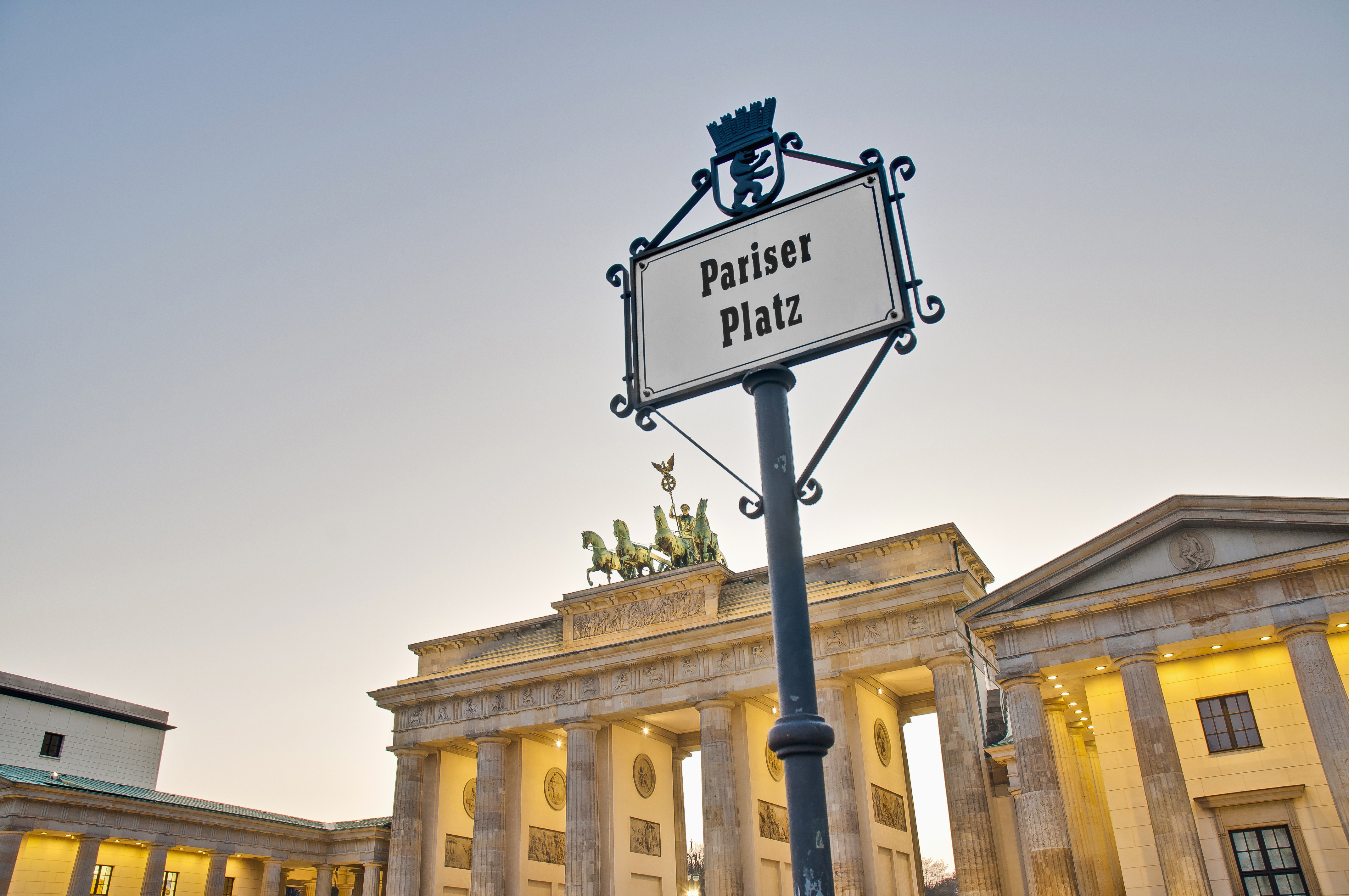
The Pariser Platz (Paris Square) on the east side of the Brandenburg Gate at Berlin, Germany
The Study Committee on Franco-German Relations (Cerfa)
Accroche centre

The Study Committee on Franco-German Relations (Cerfa) was created in 1954 by an inter-governmental agreement between the Federal Republic of Germany and France, in order to raise awareness of Germany in France and analyze Franco-German relations, including in their European and international dimensions. In its conferences and seminars, which bring together experts, political leaders, senior decision-makers and representatives of civil society from both countries, Cerfa develops the Franco-German debate and stimulates political proposals. It regularly publishes studies through two collections: Cerfa notes and studies as well as Franco-German visions.


Cerfa maintains close relations with the network of German foundations and think tanks. In addition to its research and debate activities, Cerfa promotes the emergence of a new Franco-German generation through original cooperation programs. This is how in 2021-2022, Cerfa led a program on multilateralism with the Konrad Adenauer Foundation in Paris. This program is aimed at young professionals from both countries interested in the issues of multilateralism in the context of their activities. It covered a wide range of themes relating to multilateralism, such as international trade, health, human rights and migration, non-proliferation and disarmament. Previously, Cerfa had participated in the Franco-German future dialogue, co-led with the DGAP from 2007 to 2020, and supported by the Robert Bosch Foundation and the Daniel Vernet group (formerly the Franco-German Reflection Group) which was founded in 2014 upon the initiative of the Genshagen Foundation.