



China’s Nuclear Buildup: Developments, Drivers, and Implications for Major-Power Relations and Arms Control

Practical information
Accessibility
Themes and regions
Related centers and programs
This is a private event.
Learn more about our corporate support packages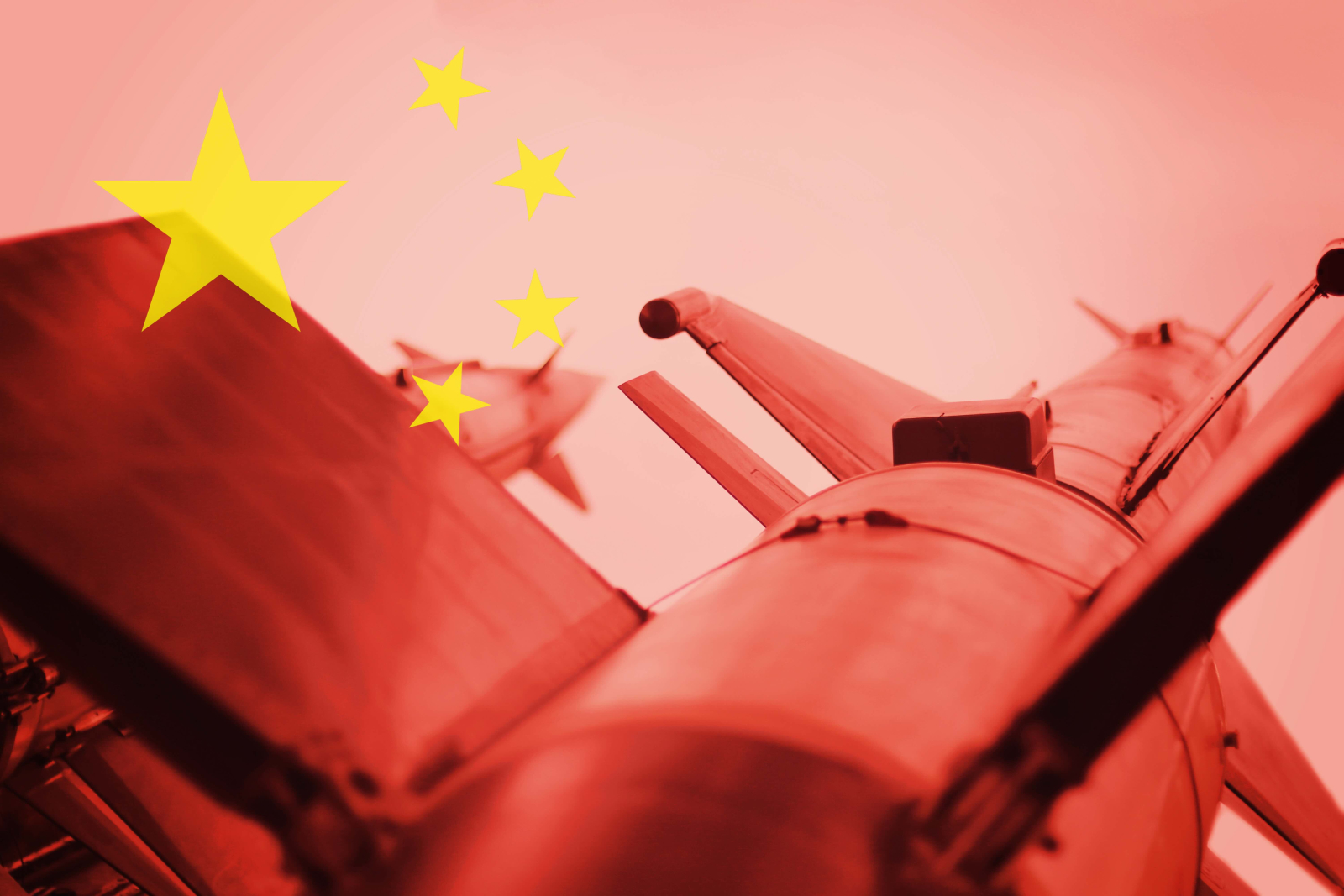
China has been steadily expanding its nuclear arsenal for several years amid levels of geopolitical tension unseen since the end of the Cold War, marked by a resurgence in nuclear proliferation and a broader, global arms race.
In both 2024 and 2026, China also conducted exercises that marked a more overt display of its nuclear deterrence capabilities, while continuing to reject participation in formal arms control mechanisms.
What explains this chinese nuclear buildup? What are its implications for the United States and Russia? What opportunities exist for cooperation, and what measures could help reduce strategic risks?
Speaker :
Tong Zhao, Senior Fellow with the Nuclear Policy Program and Carnegie China
Moderator:
Héloïse Fayet, researcher and head of the Deterrence and Proliferation program at Ifri
Contact
Attendance is by invitation only. Please contact the Security Studies Center ([email protected]) for any question.
Related Subjects
Other events

Reinventing Coordination in an Age of Fragmentation 3rd Paris Geoeconomic Dialogue
The world economy is being reordered. The certainties of the post-Cold War era, open trade, dollar centrality, predictable multilateral coordination, are giving way to a landscape shaped by rivalry between the United States and China, the weaponization of interdependence, and a scramble to secure supply chains, technologies and critical resources. What once looked like a stable architecture now appears fragile, contested, and in places actively being dismantled.
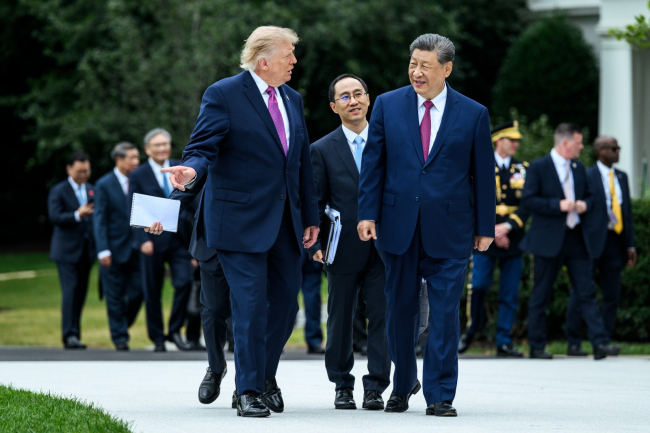
The United States, China and the Derisking Race in a Moment of “strategic stability”
For nearly a decade, relations between Washington and Beijing have been shaped by a contest over technology, supply chains, and the terms of economic interdependence. In The Derisking Race, Aaron Friedberg examines how this contest has moved well beyond tariffs and trade disputes toward a structural realignment of the global economy, in which both powers seek to reduce their exposure to one another even as the costs of doing so become harder to ignore.