


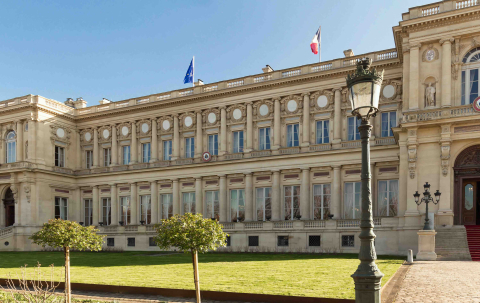
United Kingdom
The United Kingdom has not emerged unscathed from the Brexit. Nevertheless, it continues to seek influence on the international stage, as illustrated by the "Global Britain" theme or the signing of the AUKUS agreement.
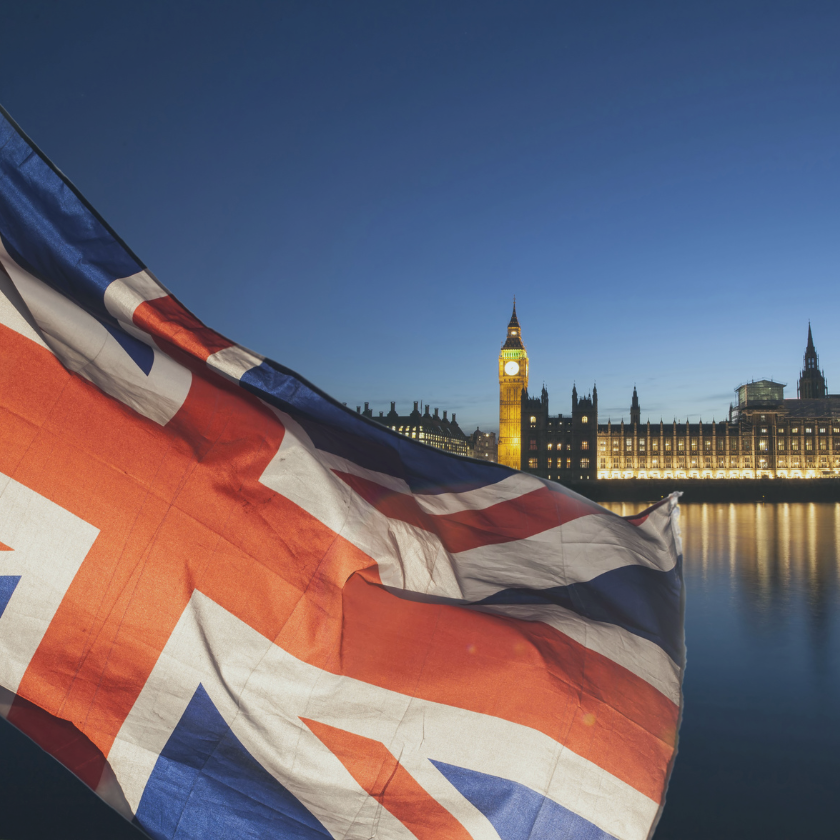


French business to gain from Brexit, but Frexit menaces
Vivien Pertusot, of the international relations think tank Ifri, said the Franco-British political relationship had never been defined by the European Union but is based on bilateral interests.
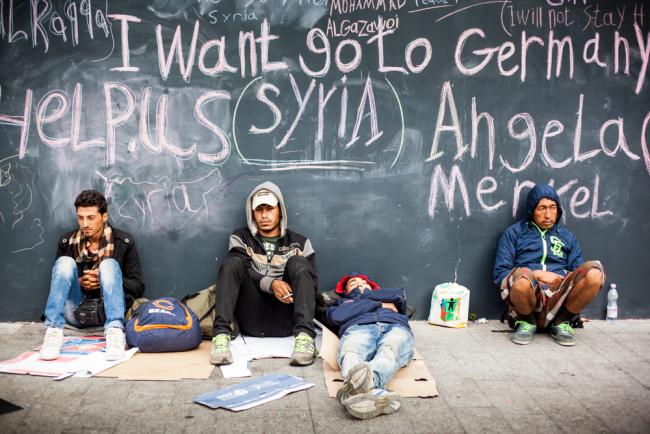
Humanitarian exploit or failure? The refugee crisis in Germany and Europe
Migrations in Africa: Another Look
Migration in Africa is a major concern, but largely for Africans alone. To adequately study the question of international migration, one must look beyond Europe’s current predicament. Through its dossier on “Migrations in Africa: Another Look”, this issue of Politique étrangère examines a number of factors that determine migration movements, how states in Africa attempt to manage the significant problem of internal migration, the difficulties of integrating migrant workers into their host societies, and the false pretenses of Euro-African agreements on readmission.
Brexit: The Risks of Referendum
The British Prime Minister has announced that a referendum will be held to decide whether the UK will remain in the European Union. David Cameron’s announcement has prompted analysis of the risks it would pose for the balance among UK political parties, for British cohesion, and for the future of the European project. In England, the rise of euroscepticism and nationalist sentiment is real. The possibility of a “Brexit” should not be ignored.

Why Brexit is unpatriotic
“The United States, China, and maybe the European Union, if Great Britain stays within it” will lead tomorrow’s world; in fact, continued EU membership is the only way for the United Kingdom to secure “a future worthy of her past." This sentiment could have come straight out of an old French discourse on the pursuit of grandeur through European integration. In fact, it came from former British Labour Prime Minister Gordon Brown.

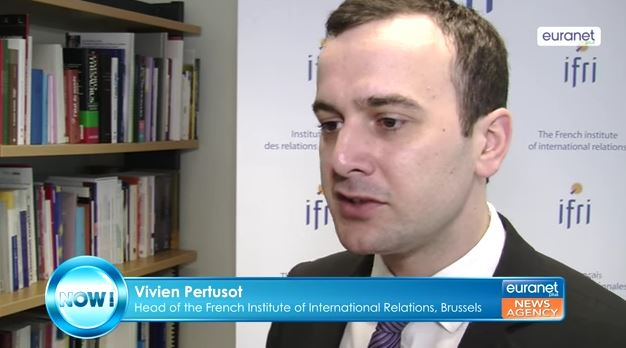
After UK: Who's next curbing social benefits?
Vivien Pertusot appears in a news report by Euranet Plus looking at the section on social benefits from the deal found between the United Kingdom and the European Union.
Rushing to a deal on the UK could be ill-thought-out for the EU
France and Britain seeking eurozone agreement ahead of EU 'Brexit' summit
Vivien Pertusot analyses the difficulties between the United Kingdom and France over the draft deal on the "Brexit" negotiations ahead of the European Council.

How the migrant crisis has brought Germany to a 'historical turning point'
As Germany agrees a plan with Turkey to ease the refugee crisis, political analyst Barbara Kunz says both migration and integration are the major issues for ordinary Germans, with the country at a "decisive turning point in its history". She spoke with RFI's Sarah Elzas.
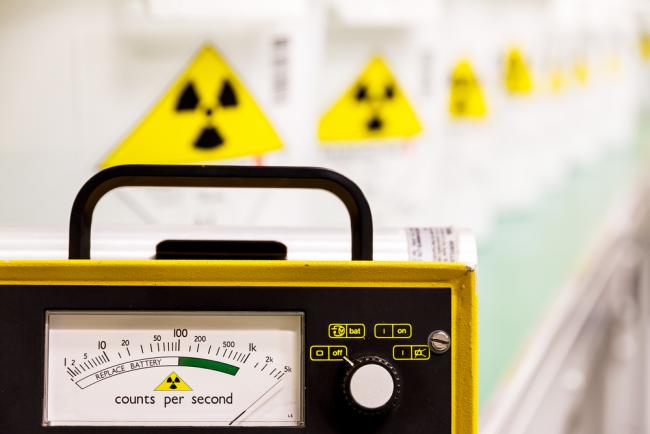
The Challenges of Maintaining Nuclear Cultures : US and UK perspectives
After the world entered the nuclear age, civilian and military organizations have witnessed the slow emergence of nuclear cultures, defined as the set of values and knowledge, shared among the national security community, about the relative importance of nuclear weapons in the country’s defense posture, the distinctive features of nuclear weapons in terms of security, safety and operational requirements, and the workings of deterrence.
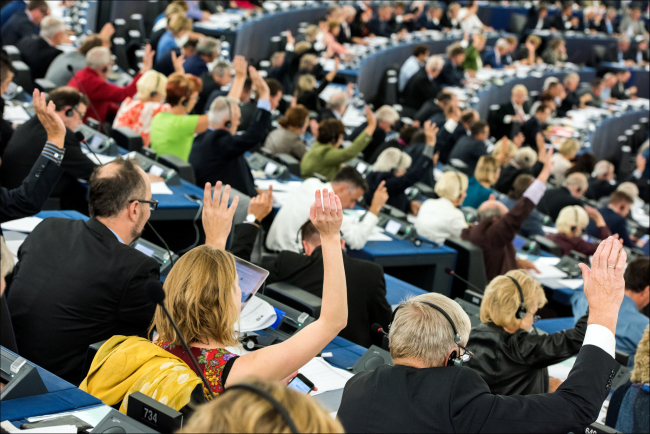
Visions of EU Reform - Written evidence to the House of Lords
Vivien Pertusot provided written evidence to the inquiry of the EU Select Committee of the UK's House of Lords on "Visions of EU Reform". This inquiry is organised in the context of the UK Government's renegotiation and future referendum on the EU.
Great-Britain Whistle-Stop Tour of the EU
The consultations on Cameron’s demands were run with the EU members by the head of the European Council, Donald Tusk from Poland. Tusk wrote down what was said and sent a letter to London and other European capitals. The letter was quite peculiar, admits Vivient Pertusot, the head of the French Institute of International Relations (IFRI) in Brussels.
German Migration Policy: Unfinished Business
Although Germany is currently one of the main immigration countries, the Federal Republic has been slow to develop a long-term migration policy that comprehensively meets the diverse challenges that the country faces. Germany remains focused on short-term actions and is reacting to changes rather than actively anticipating them.
The French are looking for a fair deal for France and the EU, not just Britain
France has been ambivalent on the British renegotiation campaign. The general mood is to keep the UK in, but messages are going in different directions. Some are shrugging off the UK’s calls for reform and are not trying very hard to accommodate Westminster. Others seem keener to find an acceptable deal for Britain.
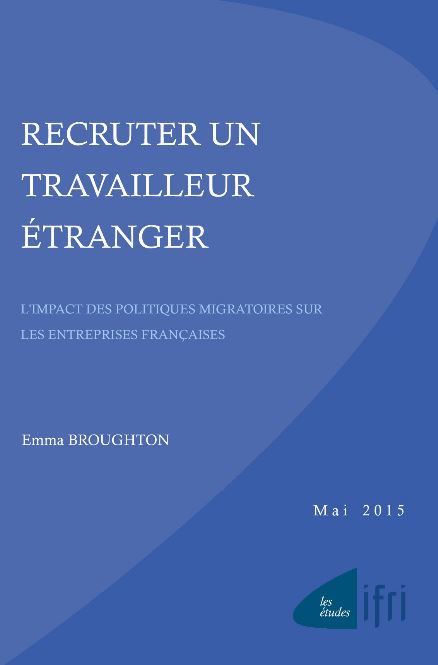
Recruitment procedures of foreign workers in France. The point of view of French companies
Study on migration policies’ impact on recruitment procedures of foreign workers in France.
The Impact of the First World War on Strategy
The First World War helped redefine the notion of strategy, giving it a political dimension that it previously lacked.
In Europe, not Ruled by Europe: Tough Love between Britain and the EU
Discussions of a potential “Brexit”, the United Kingdom leaving the European Union, have sparked debate in Britain, and also across Europe, intensified by the UK veto of the “fiscal compact” at the European Council in December 2011. What sounded like the absurd pipedream of a few hard-core eurosceptics a couple of years ago has now become a genuine possibility.
Tough love between Britain and the European Union
Discussions of a potential “Brexit”, the United Kingdom leaving the European Union, have sparked debate in Britain, and also across Europe, intensified by the UK veto of the “fiscal compact” at the European Council in December 2011. What sounded like the absurd pipedream of a few hard-core eurosceptics a couple of years ago has now become a genuine possibility.
Britain's potential exit from the EU – Weimar Triangle Analyses: French, Polish and German viewpoints on European questions
On an initiative of the German Council of Foreign Relations (DGAP), the Study Committee for Franco-German Relations (Cerfa) of the French Institute of International Relations (IFRI) and the Polish Institute of International Affairs (PISM) are regularly publishing short contributions on a common subject, written by three experts of these institutes. The purpose of these “Weimar Triangle Analyses” is to give the French, Polish and German views on central questions of European politics and European integration.
Ifri, a foundation recognized as being of public utility, relies largely on private donors – companies and individuals – to guarantee its sustainability and intellectual independence. Through their funding, donors help maintain the Institute's position among the world's leading think tanks. By benefiting from an internationally recognized network and expertise, donors refine their understanding of geopolitical risk and its consequences on global politics and the economy. In 2026, Ifri partners with over 90 French and international companies and organizations.
