



Search on Ifri.org

About Ifri

Frequent searches

Suggestions

Electricity and Electrification

Description

The decarbonization of electrical systems via nuclear, wind, solar or hydroelectric power, flexibility tools and the electrification of uses are key challenges with multiple issues at stake.

Related Subjects
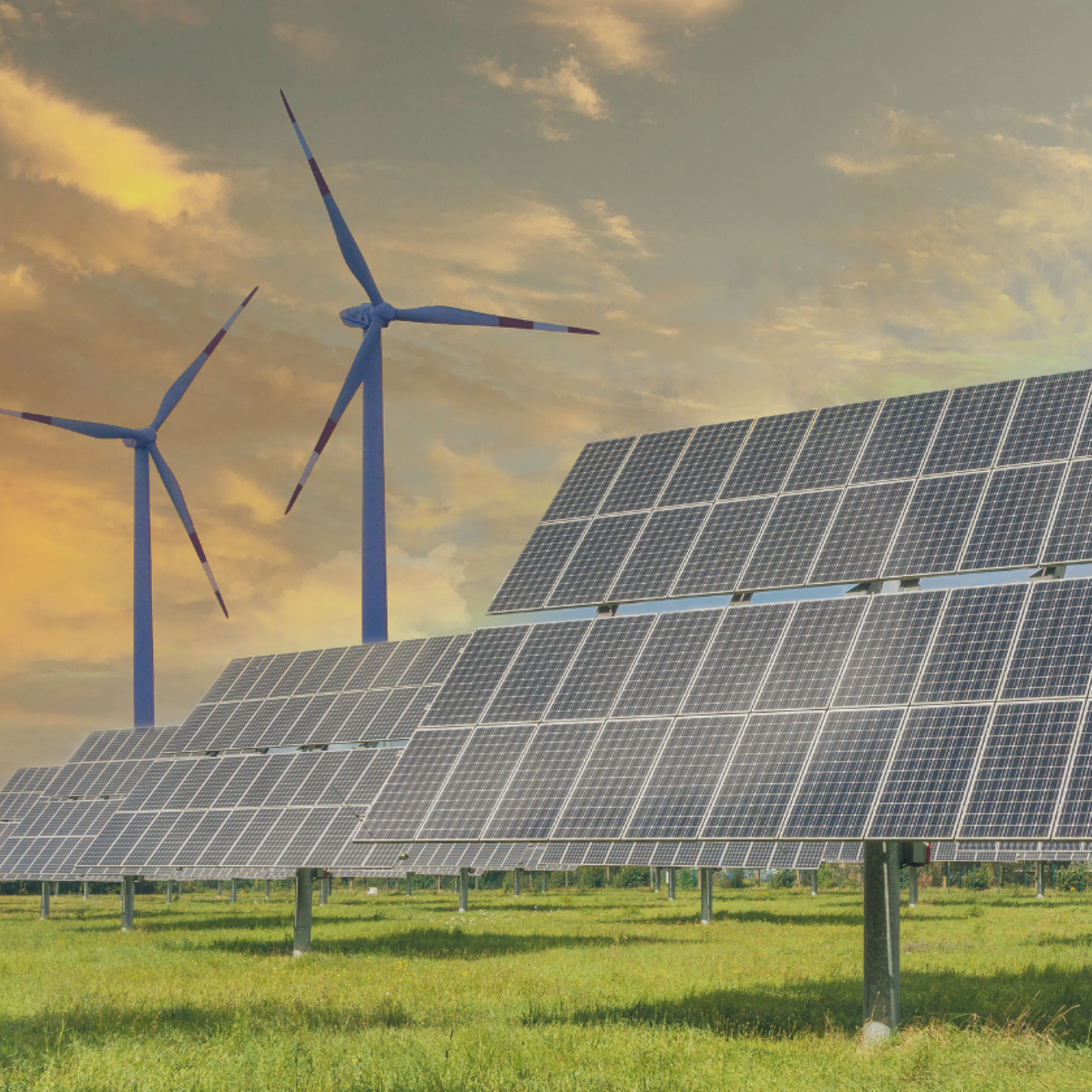
Image Taxonomie
Solar photovoltaic panels and wind turbines
See all
Image de couverture de la publication
couv-het17.jpg

Electricity Security of Supply and Capacity Remuneration Schemes

Date de publication
27 October 2016
Accroche

In the context of liberalisation and the creation of a European electricity market, security conditions underlying the supply of electricity need to be reconsidered. 

Aurélie FAURE SCHUYER Antonia Tomas STANKOVIC Dražen JAKSIC
Image de couverture de la publication
couv_eu_security_gas_supplies.png

EU Security of Gas Supplies : Solidarity Runs Through the Pipeline

Date de publication
30 May 2016
Accroche

Given the tensions between the EU and its main gas supplier, Russia, the European Commission has been revisiting since 2014 its energy security strategy.

Marie-Claire AOUN Daan RUTTEN
Image principale

Sustainable Electrification for Asia and Africa

Date de publication
07 March 2016
Accroche

Complementary solutions to national grid extensions let hope for significant improvements in the field of energy access, consistent with current economic and environmental challenges. This Note explores the regulatory and economic prerequisites that must be enhanced in order to support the emergence of mini-grid and off-grid technologies.

Electric Networks and Energy Transition in Europe

Date de publication
18 September 2015
Accroche

After a century of close development between power generation facilities and networks, the liberalisation of the electricity sector has broken this link in Europe. Long-distance transmission networks now play a key role in stimulating competition between generators by giving consumers access to remote power generation facilities.

The European Refining Crisis: What is at stake for Europe?

Date de publication
04 March 2013
Accroche

The European Refining sector is in crisis. The wave of refineries closures has spared no EU Member States.

Commission Communication of the EU Energy External Policy: Was There an Alternative?

Date de publication
28 September 2011
Accroche

EU is the world’s largest net energy importer and consumer, so why do its Members continue to negotiate individually with the rest of the world rather than as one big market with a big voice?

Laura PARMIGIANI

How do maritime companies cooperate with the navies? An interview with Evan FUERY, EQUINOR

04 February 2025
Accroche

On the sidelines of the Paris Naval Conference 2025, on February 4, 2025, organized by Ifri and the French Navy (Marine nationale), Evan FUERY, Senior Vice-President for Corporate Security and Crisis Management, EQUINOR, shares insights on how maritime companies collaborate with the navies to secure maritime economy.

Evan Fuery, Equinor
Logo
World Policy Conference Logo

Geopolitics of Climate Change - World Policy Conference 2024 (Plenary Session)

13 December 2024
Nom du journal, revue ou émission
World Policy Conference
Accroche

Plenary session 6: Geopolitics of Climate Change. Friday, December 13, 2024 - 17th edition of the World Policy Conference in Abu Dhabi, United Arab Emirates.

Marc-Antoine EYL-MAZZEGA Mikaa BLUGEON-MERED Stéphane MICHEL Frank WOUTERS

What are the impact of the COVID-19 crisis on Japan's economic security?

11 December 2020
Accroche

In this interview, Shin Oya, Senior Consulting Fellow, Asia Pacific Initiative and Chief Representative for Strategic Research, JBIC looks at COVID-19's impact on economic security in Japan.

Rethinking Economic Security in the (Post) COVID-19 World

09 December 2020
Accroche

The COVID-19 crisis has highlighted the risks of an excessive dependence on one single economic partner and has prompted a rethinking of what economic security really entails.

Support independent French research

Ifri, a foundation recognized as being of public utility, relies largely on private donors – companies and individuals – to guarantee its sustainability and intellectual independence. Through their funding, donors help maintain the Institute's position among the world's leading think tanks. By benefiting from an internationally recognized network and expertise, donors refine their understanding of geopolitical risk and its consequences on global politics and the economy. In 2026, Ifri partners with over 90 French and international companies and organizations.
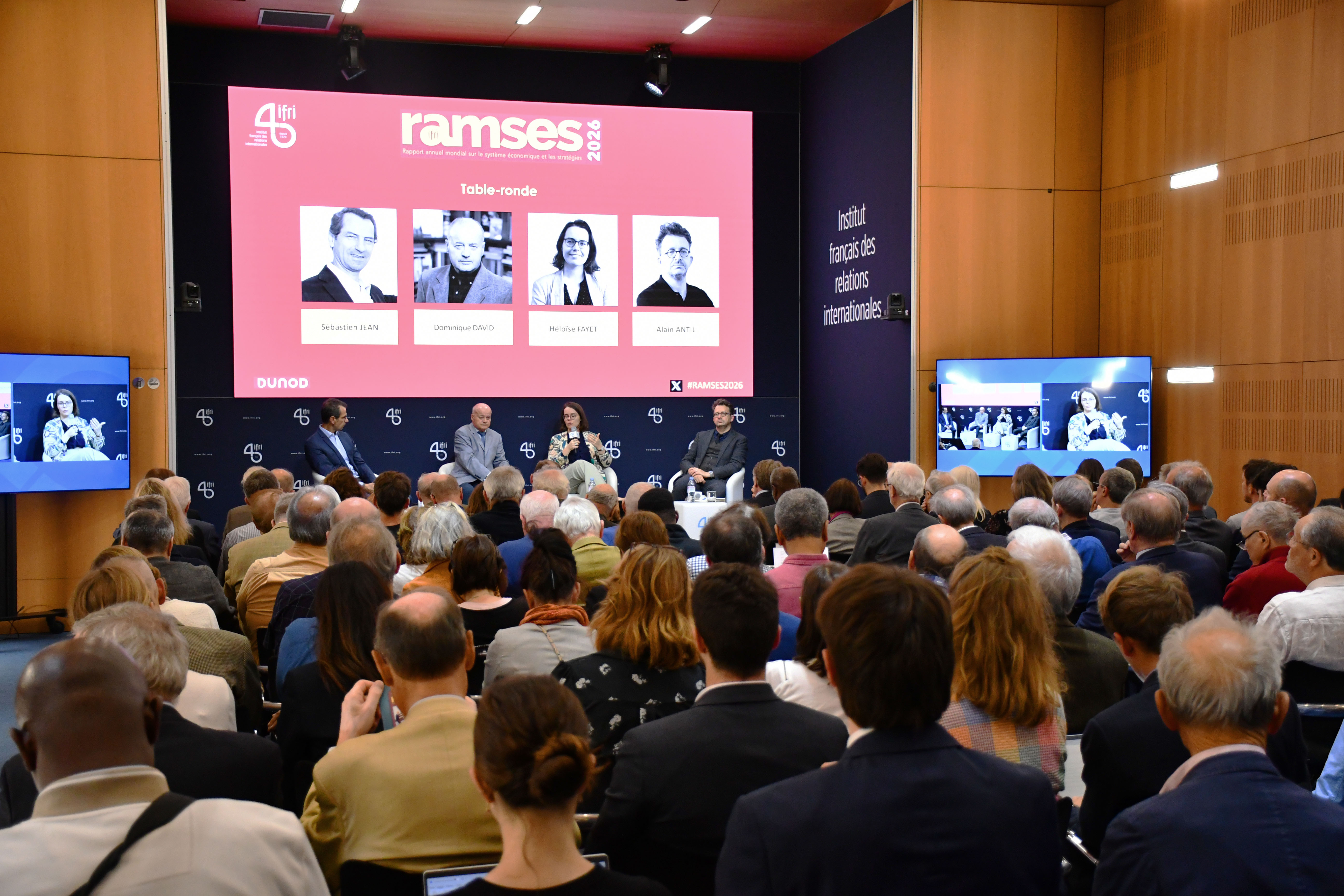
Presentation of Ramses 2026, Ifri, Paris