




Soft Power and Influence
The expression "soft power" was popularized by Joseph Nye in 1990. It refers to the ability to attract and persuade through a form of seduction. Influence strategies are becoming increasingly sophisticated.
Related Subjects



Russian Elite Divided on Strategy in Ukraine but Not on Kremlin Goals There, Minic Says
Vladimir Putin is not a military strategist, and the decision to shift Russian forces from around Kyiv to the southeast in order to be in a position to defeat the Ukrainian army rather than go all out to achieve regime change now in Ukraine shows that, Dmitri Minic of the Paris Institute for International Relations says.
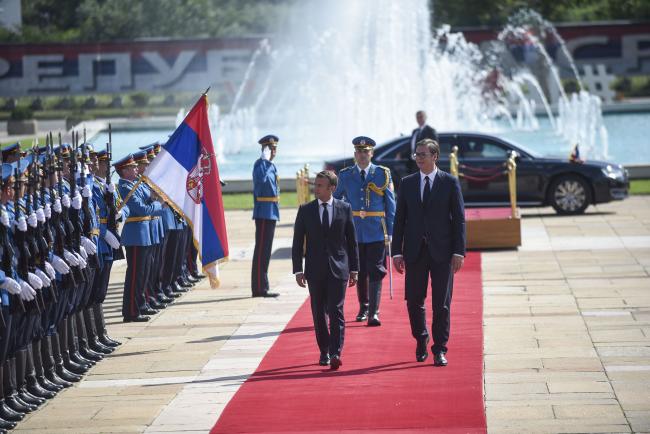
French Engagement in the Western Balkans: Boosting Strategic, Political, Economic, and Societal Cooperation
After years of lower interest, France has signaled its ambition to re-engage in the Western Balkans. It is not starting from scratch. Historical affinities with the countries of the region abound, in culture, sciences, politics, and economy.

China's Soft Power in Europe: Falling on Hard Times
Analysis from 17 countries and EU institutions reveals that Chinese soft power in Europe – defined as the ability to influence preferences through attraction or persuasion – has seen better days.
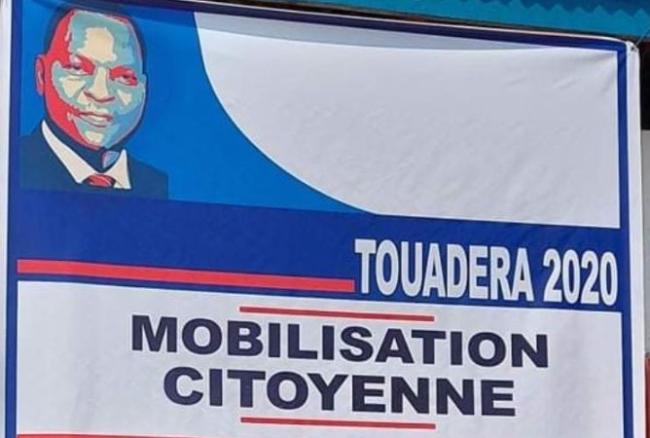
Central African Social Media at the Dawn of the Elections : An Advanced Symptom of a Coming Political Crisis
Although the Central African Republic remains a very weakly connected country with an Internet penetration rate of 14% in 2020, citizens begin to appropriate the use of social networks.
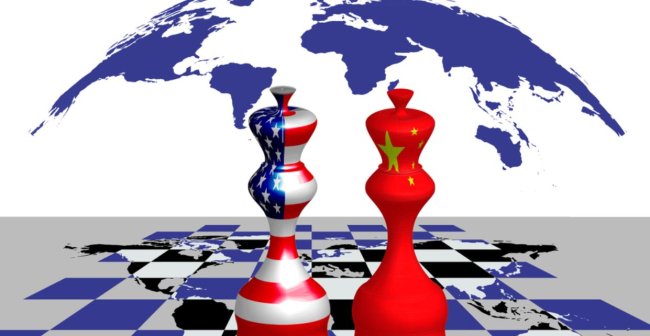
Towards the Second Crusade?
Europeans first grew aware of a possible pandemic exactly one year ago. The wave is here. It has submerged the world, claiming many lives and causing tremendous collateral damage.
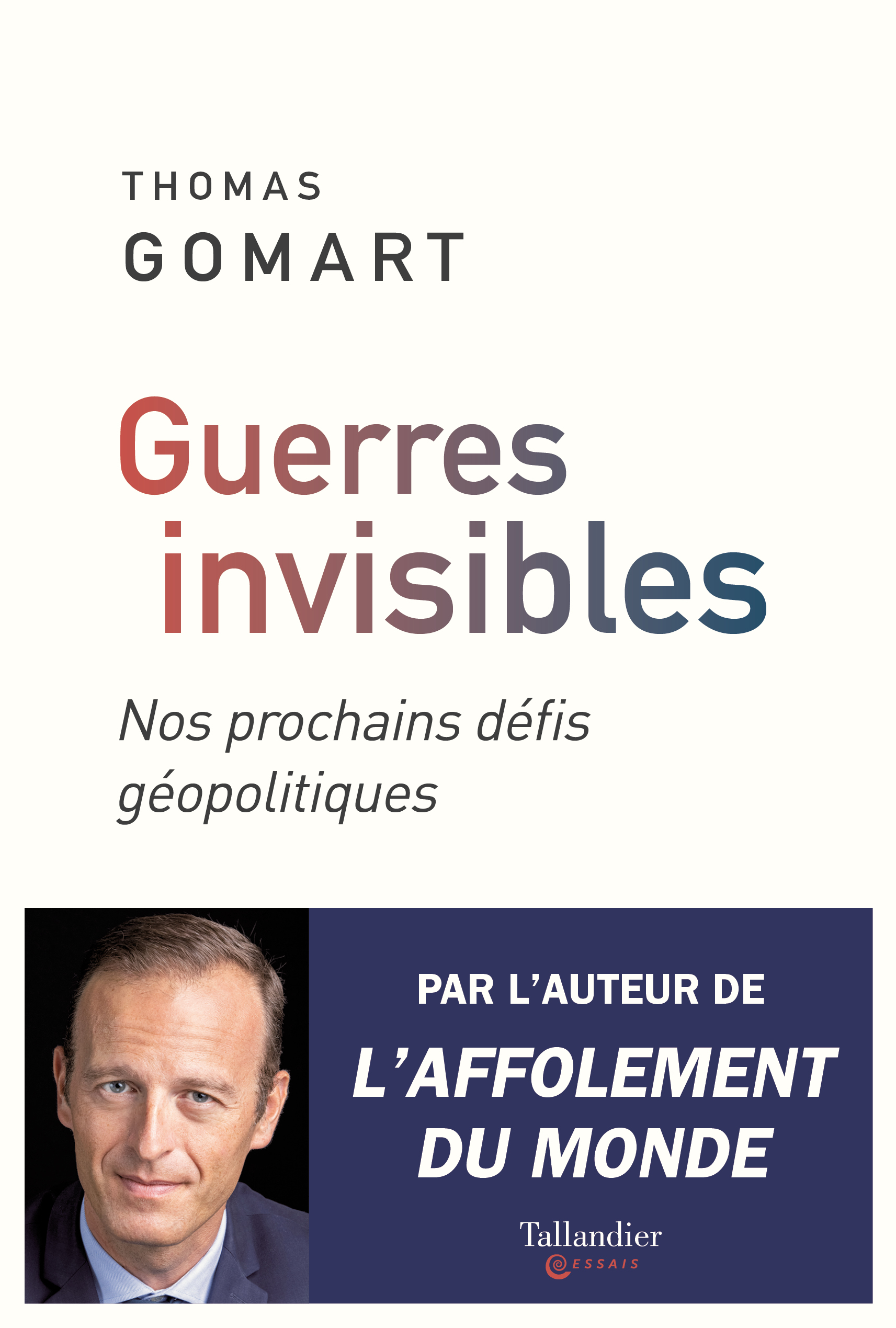
Guerres invisibles - Nos prochains défis géopolitiques
What are the next geopolitical challenges of the century? The global pandemic has altered the equilibrium between Asia and the West and sealed the rift between China and the United States, accentuating the world’s shift towards the East. On this polarized chessboard, two fault lines converge: environmental degradation and technological propagation where the main strategic and economic rivalries are now being played out.
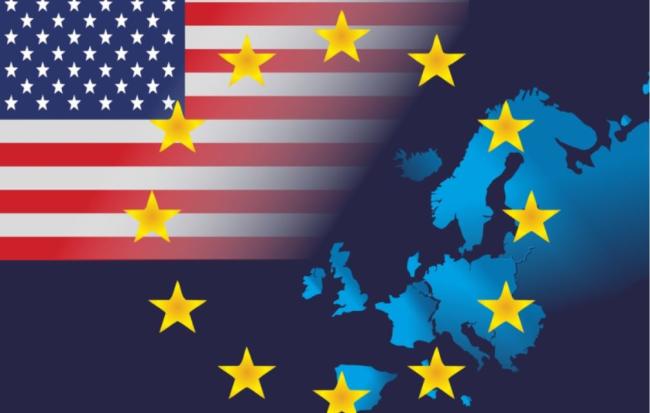
COVID-19 Reveals Europe’s Strategic Loneliness
The COVID-19 crisis has not only revealed a world that has moved into an age of interdependence and competition, it has also laid bare Europe’s strategic loneliness and vulnerability.

World’s Rich Nations Jostle to Lead Globalization Clubhouse
The race to fill a role at the heart of world economic policy making is turning into a new battleground for the future of globalization.
Global Public Goods: Beyond Empty Words
As I write these lines, the COVID-19 pandemic seems to be following the pathway forecast by those epidemiologists and virologists, who have been telling us for weeks that the wave is past its peak. If it is, this does not mean that we are safe from a second wave some time later, but only that the first surge is over.
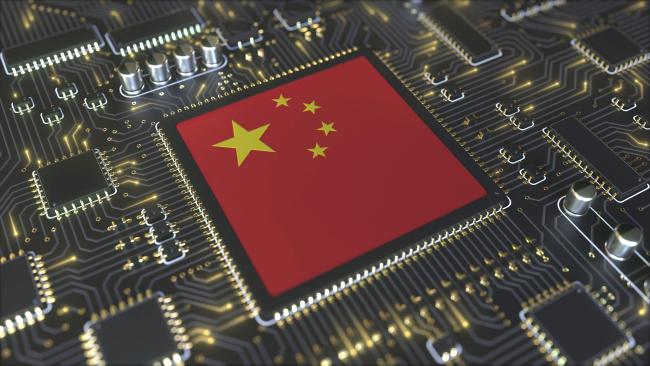
China and the New Geopolitics of Technical Standardization
China is rapidly emerging as a formidable power in the development of technical standards, transforming the international standard-setting landscape and reintroducing an element of geopolitics into what are too often considered as benign, technical processes.
The Future of Think Tanks
In this special issue of Politique étrangère devoted to the proceedings of the conference organized by Ifri on April 10, 2019, in the Grand Amphitheater of the Sorbonne, on the occasion of its fortieth anniversary, discover the debate moderated by Bassma Kodmani between Thomas Bagger, Thomas Gomart, Robin Niblett, and Daniela Schwarzer.
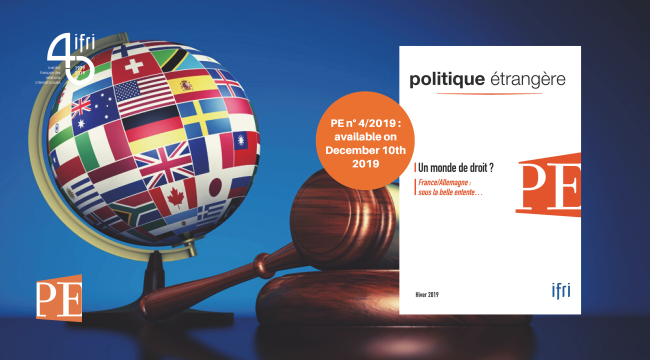
A World of Law? / France and Germany: What's Behind the Mask
What is the role of law in international relations today that increasingly seem to favour assertions of power?
Does the conservative media unanimously support Trump's 2020 bid?
From the 1920s to the 1980s, the American press followed strict discursive practices based on objectivity and fairness. Starting in the 1930s, the country's political center of gravity was on the liberal side and there were few overtly conservative media.
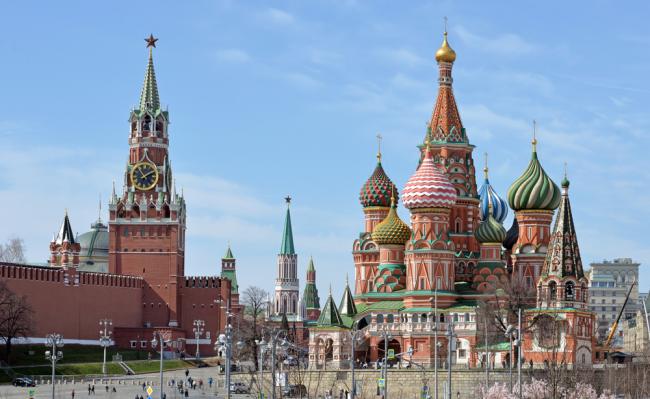
Between Attraction and Repulsion: Strengths and Weaknesses of Russia’s Image Abroad
In search of a better image, Russia has created a whole arsenal of soft power since the mid-2000s according to a Western model.
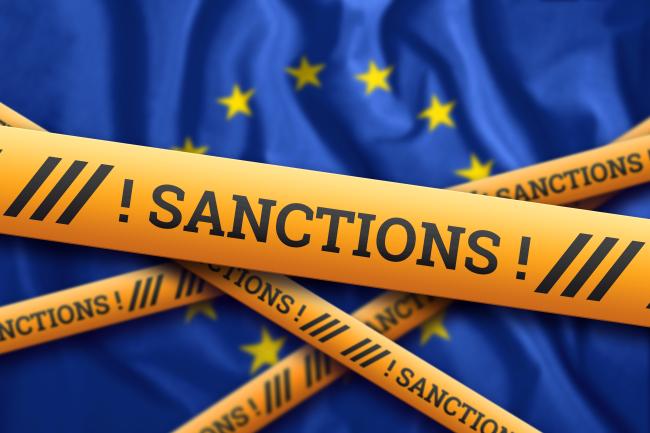
The Sanctions Policy of the European Union: Multilateral Ambitions Versus Power Politics
Restrictive measures are a major instrument of the European Union (EU)’s external action, which has emerged as one of the world’s leading sanctions emitters. The EU has thus leveraged the size of its market and its economic and financial clout (trade relations, aid policy and bilateral agreements).
RAMSES 2020. A World without a Compass?
RAMSES 2020. A World without a Compass?, written by Ifri's research team and external experts, offers an in-depth and up-to-date analysis of geopolitics in today’s world.
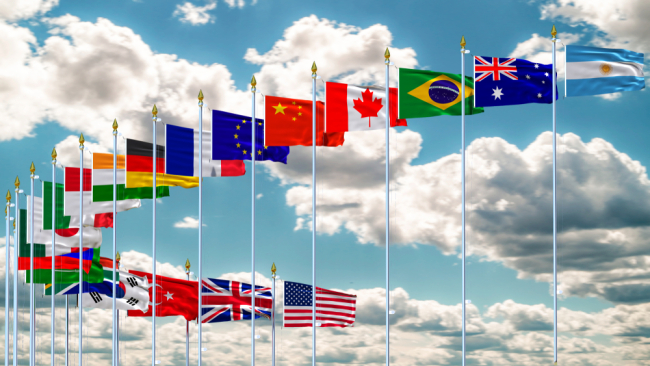
Sustaining Multilateralism in a Multipolar World. What France and Germany Can Do to Preserve the Multilateral Order
While international multilateralism is under strain, it is vital for France and Germany to defend it, since it is the most appropriate system for preserving their interests – particularly in terms of welfare, security, prosperity and environmental protection. Against this backdrop, three political fields offer opportunities for joint initiatives: trade, conventional arms control and climate change.
Seven Years of The 16+1: An Assessment of China’s ‘Multilateral Bilateralism’ in Central Europe
Since mid-2012, in the wake of the global financial crisis, China has sought to reinvigorate relations with Central and Eastern Europe (CEE), notably through the creation of the 16+1 formula.
Rival public diplomacies in the Ukrainian crisis : RT and Ukraine Today
The Ukrainian crisis has brought to light the key role played by new international networks as instruments of public diplomacy in time of war. Focusing on RT and Ukraine Today in the asymmetrical conflict between Russia and Ukraine, this article analyzes the operation and strategies of diffusion of these two media, and inquires into their antagonistic narratives and political rationales. This case study focuses on this conflict’s two dimensions of storytelling and news that several actors and observers have described as a “war of information”.
Chinese Think Tanks: Ambitions and Contradictions
Since Xi Jinping became president of China, the number of think tanks has considerably increased.
What Role for the EU in Doha?
Historical leader of the fight against climate change, the European Union’s influence declined in Copenhagen. This opened the way to the so-called BASIC countries to show their willingness to become a driving force in the international climate agenda. Interestingly enough, the Copenhagen conference also introduced a welcome shift in the traditional UN separation between developed and non-developed countries.
The Religious Diplomacy of the Russian Federation
The Russian Federation is shaping its religious diplomacy (i.e., in brief, the use of the religious factor in foreign policy) and exercises it with a growing efficiency. This is, to a certain degree, a consequence of processes taking place in Russia, namely, first and foremost, the solving of the crisis of identity and values, and, closely connected with this, the renaissance of religion in Russian political and social life.
France's Partner on a Pedestal: A View Driven by Pragmatism and Envy
This paper brings together contributions from a cross-section of EU member states and the Gallup World Poll survey on the question of how Germany is being viewed at this time of economic and political crisis.
Reassessing the Role of the Media in Pakistan
Despite spells of authoritarianism, Pakistan's rulers have never fully been able to subdue the media. In a world where the constant flow of information defies borders, such an endeavor becomes even more difficult.
Ifri, a foundation recognized as being of public utility, relies largely on private donors – companies and individuals – to guarantee its sustainability and intellectual independence. Through their funding, donors help maintain the Institute's position among the world's leading think tanks. By benefiting from an internationally recognized network and expertise, donors refine their understanding of geopolitical risk and its consequences on global politics and the economy. In 2026, Ifri partners with over 90 French and international companies and organizations.
