




Practical information
A luncheon debate with Dorothée SCHMID, research fellow, in charge of the Turkey resaerch program.
On 17 December, a large investigation for fraud and corruption led in Turkey to the dramatic arrest of personalities very close to the government, directly threatening the power of Recep Tayyip Erdoğan. The affair is seen as the last episode of a secret settling of accounts between AKP and the very powerful confrérie of Fethullah Gülen, that would like to bring the Prime Minister down. Six month after the massive demonstrations of the "Taksim spring", and three months before the local elections, the Turkish democracy is going through difficult times. Internal political instability, diplomatic difficulties, decline of the Turkish lira: can Erdoğan still have the control?
Chair: Dominique DAVID, Executive Director, Ifri
This luncheon debate is supported by
Other events
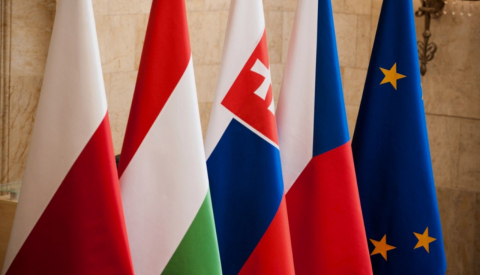
A New Moment for Central Europe? Regional Cooperation in a Time of European Strategic Choices
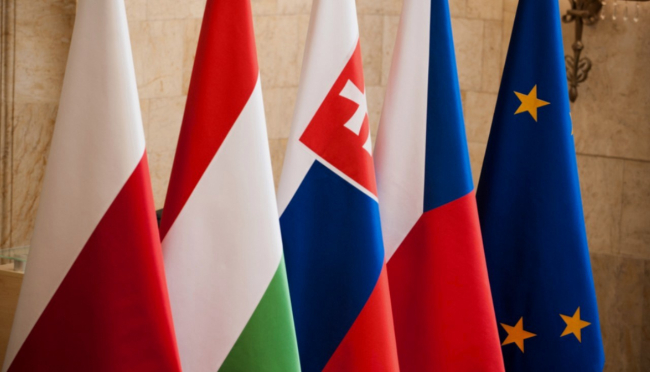
Recent political developments in Central Europe have revived the debate about the future of regional cooperation and the Visegrád Group. Changes in Hungary, Poland, the Czech Republic and Slovakia, together with Austria’s growing interest in closer cooperation with its neighbours, could create new opportunities for dialogue and coordination around shared priorities.
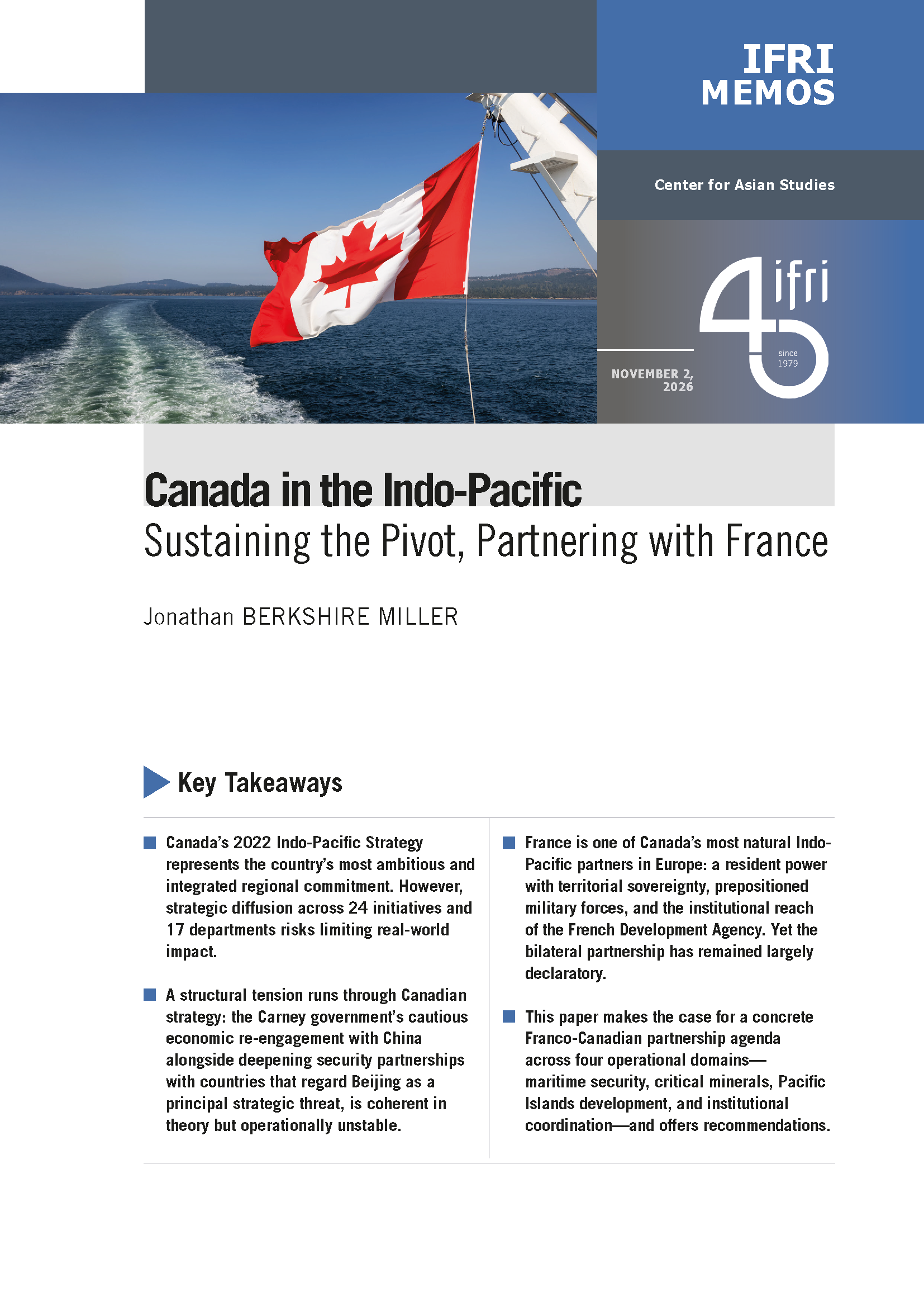
China’s Nuclear Buildup: Developments, Drivers, and Implications for Major-Power Relations and Arms Control
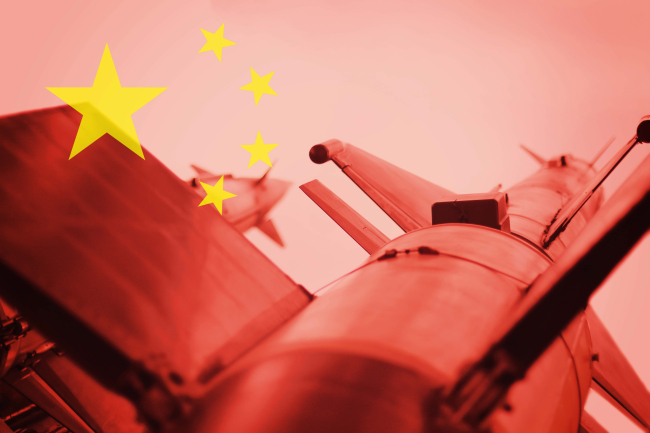
China has been steadily expanding its nuclear arsenal for several years amid levels of geopolitical tension unseen since the end of the Cold War, marked by a resurgence in nuclear proliferation and a broader, global arms race.

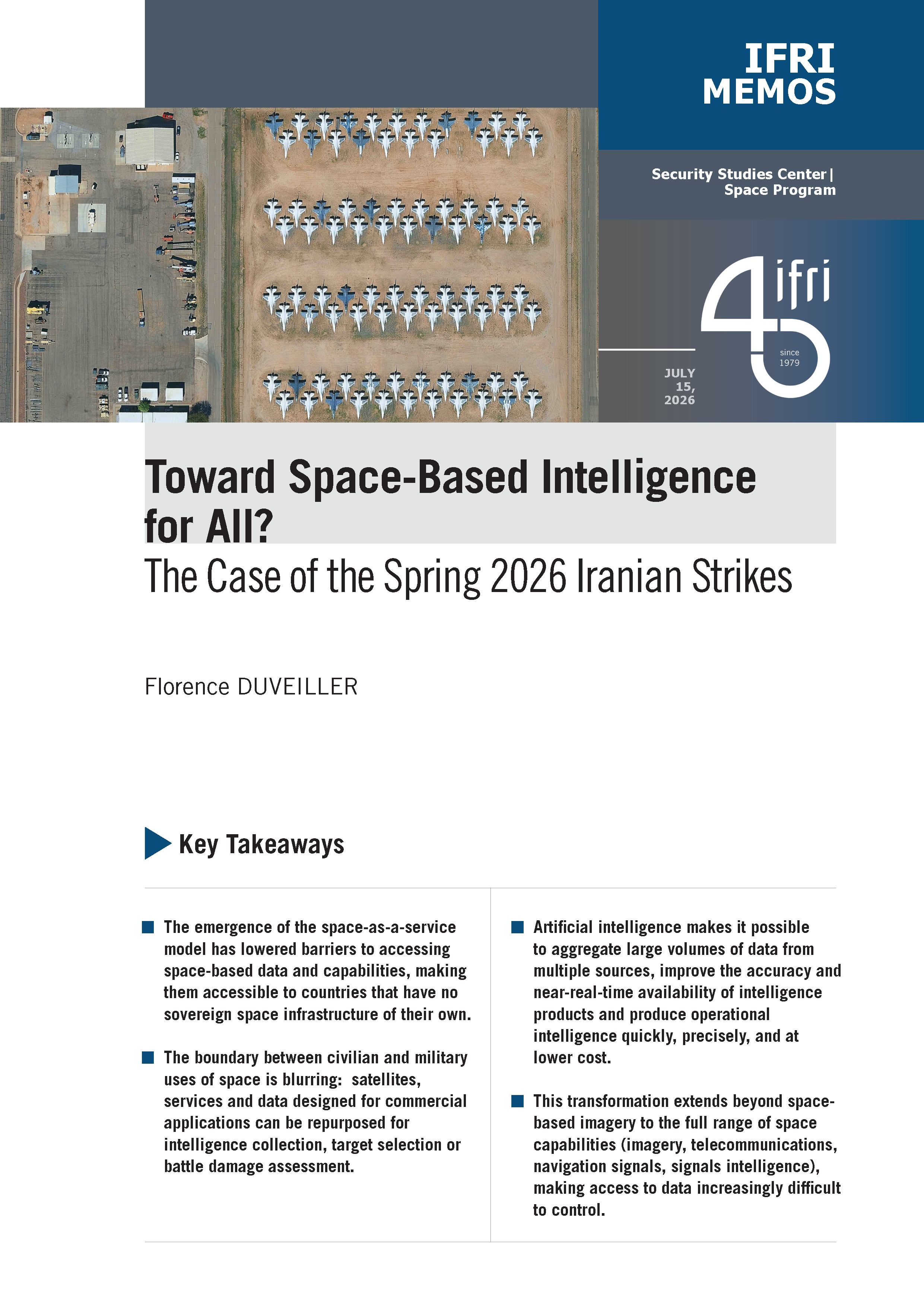
Reinventing Coordination in an Age of Fragmentation
The world economy is being reordered. The certainties of the post-Cold War era, open trade, dollar centrality, predictable multilateral coordination, are giving way to a landscape shaped by rivalry between the United States and China, the weaponization of interdependence, and a scramble to secure supply chains, technologies and critical resources. What once looked like a stable architecture now appears fragile, contested, and in places actively being dismantled.