




Practical information
In the Pacific, small island developing states want to empower themselves to be great ocean nations. Compared to their number of inhabitants, the Exclusive Economic Zones (EEZ) of island countries such as the Cook Islands (112 km² of EEZ/inhabitant) or the Marshall Islands (33 km²) are much larger than those of countries such as France (0.18 km2) or the UK (0,1 km²).
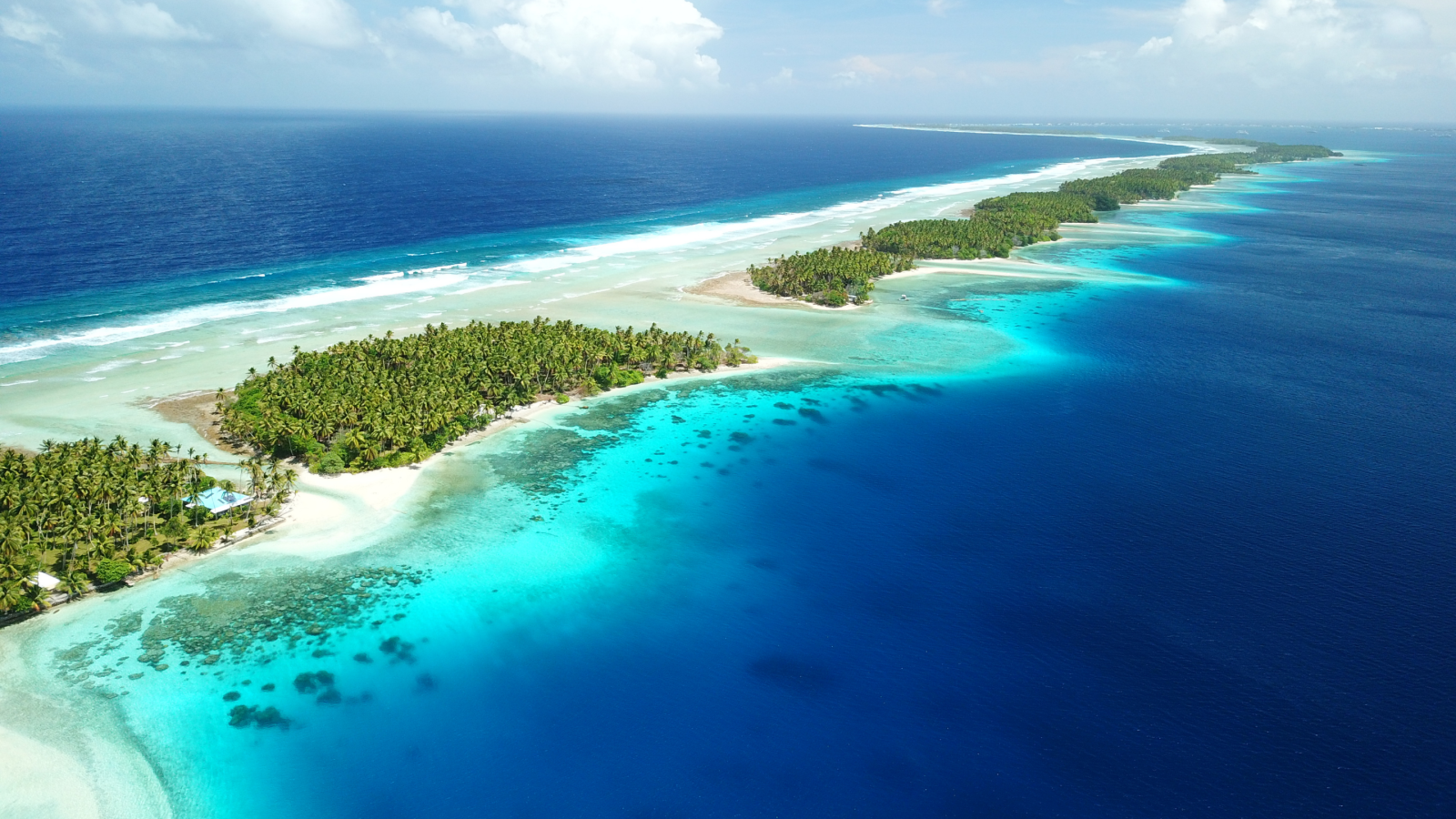
At the same time, the budget that these countries can devote to the management of their EEZ is much smaller. Marine resources are central to the economies of the Pacific region.
More than 60% of the inhabitants of coastal areas depend on fishing. Such a vital resource must be protected and managed in a sustainable way. In addition, adequate surveillance of EEZ is key to discourage predatory moves and abusive claims by some States.
Marine protected areas (MPAs) offer a solution for countries in the region to manage their maritime space. Access to scientific data is required to set MDA.Their economic impact should also be taken into consideration, as most Pacific countries are heavily dependent on marine resources for their development. “Managing an area” can sometimes imply integral protection of it, but rational and sustainable use of the EEZ is also an option. Finally, local ownership by the population is also key. This webinar brings together Oceanian and European experts and decision makers to understand the many facets of this issue.
This webinar will be held in English, on Zoom.
PROGRAMME:
Chair: Céline Pajon, Coordinator for the Pacific Islands Program, Center for Asian Studies, Ifri
- Steven Victor, Minister, Agriculture, Fisheries, and the Environment, Republic of Palau
- Jérôme Aucan, Head of the Pacific Community Center for Ocean Science (PCCOS), Pacific Community-SPC
- Pierre-Yves Le Meur, Researcher in environmental anthropology and ethnoecology, Research Institute for the Development (IRD) Center in Noumea, New Caledonia
- Karina von Schuckmann, Oceanographer, Mercator Ocean International
Our partner, the Pacific Community (SPC), studies the challenges of MPAs and documents the best methods of management and the knowledge necessary to carry out an integrated management of marine areas.

Replay
Related Subjects
Other events
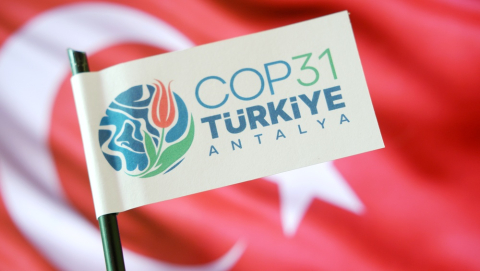
COP31 in Antalaya: State of the Global Climate Governance, Issues, Perspectives
COPs have become a year-end marathon to revigorate a world now entering the era of climate overshoot. While Türkiye exhibits the largest coal-fired power generation in OECD Europe, it has embraced the electrification agenda and aims at joining forces with Australia on fostering action and implementation. This is an unusual de facto co-presidency arrangement, but one that could yield promising results. This webinar will take stock of what climate governance has achieved and of the issues still to be negotiated, and explore what impetus this Turkish–Australian partnership could provide.
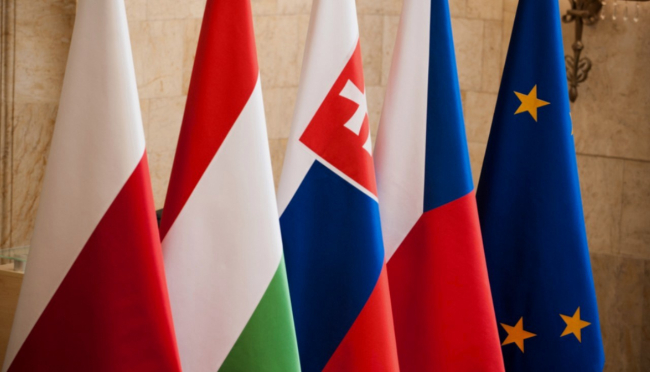
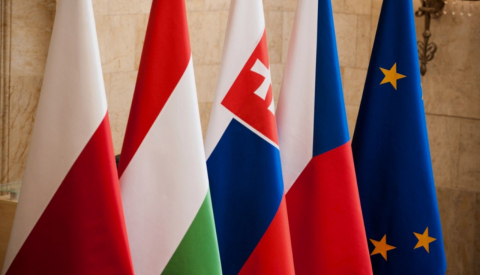
A New Moment for Central Europe? Regional Cooperation in a Time of European Strategic Choices
Recent political developments in Central Europe have revived the debate about the future of regional cooperation and the Visegrád Group. Changes in Hungary, Poland, the Czech Republic and Slovakia, together with Austria’s growing interest in closer cooperation with its neighbours, could create new opportunities for dialogue and coordination around shared priorities.
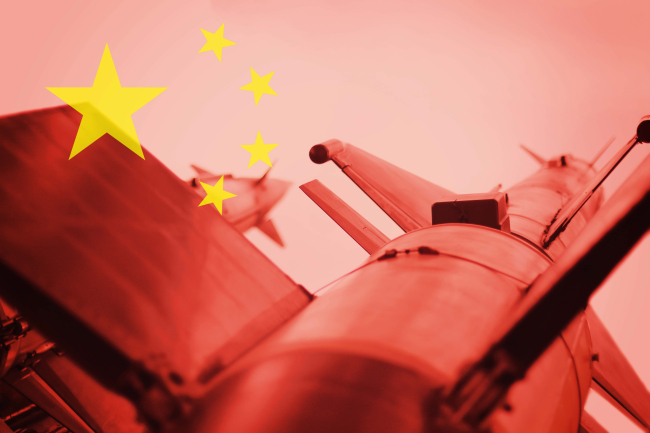
China’s Nuclear Buildup: Developments, Drivers, and Implications for Major-Power Relations and Arms Control
China has been steadily expanding its nuclear arsenal for several years amid levels of geopolitical tension unseen since the end of the Cold War, marked by a resurgence in nuclear proliferation and a broader, global arms race.