



Building up a Green Alliance between Japan and Europe: Opportunities and Challenges

Practical information
The EU-Japan Green Alliance has been adopted during the 27th EU-Japan Summit in May 2021.

The document highlights the central importance of having a green growth strategy to build back the economy in the post COVID-19 era. Climate neutrality by 2050 is the new objective to be reached by the EU and Japan through innovation in green tech, enhancement of energy efficiency and deployment of renewable sources of energy. The cooperation is also aimed at facilitating the green transition at the global level, by setting up new regulatory tools and promoting funding and technical solutions to support third countries efforts to go green. This event will discuss the respective green growth strategies put in place by Japan and the EU and identify the main opportunities and challenges on the path toward forming a green alliance.
This webinar will be held in English.
PROGRAMME
Main questions:
- What are the main similarities and differences between the Japanese and the EU’s green growth strategy?
- What are the low hanging fruits when advancing concretely the recently agreed Green Alliance?
- What are the main challenges to tackle to make progress in the Green Alliance?
- What specific role can Japan and the EU play to support the green transition in third countries?
Chair and discussion leader: John SEAMAN, Research Fellow, Center for Asian Studies, Ifri
- Raffaele Mauro PETRICCIONE, Director-General DG Clima, European Commission
- Jun ARIMA, Professor, Graduate School of Public Policies, University of Tokyo; Lead Author, the 6th Assessment Report of the Intergovernmental Panel of Climate Change (IPCC)
Discussants:
- Carole MATHIEU, Research Fellow at the Center for Energy & Climate, Ifri
- Andreas GRAF, Project Manager for EU Energy Policy, Agora Energiewende
- Karl MATHIESEN, Senior Climate Correspondent, Politico Europe
Related Subjects
Other events
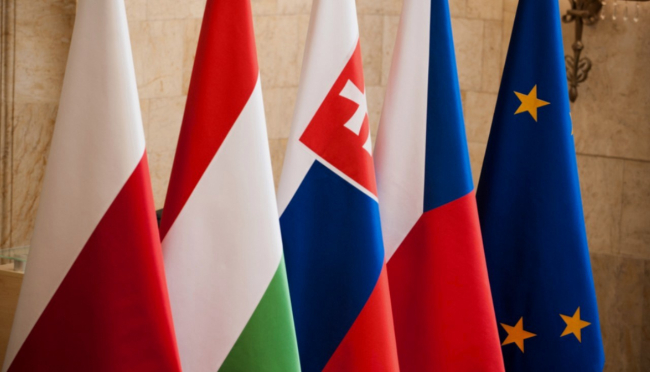
A New Moment for Central Europe? Regional Cooperation in a Time of European Strategic Choices
Recent political developments in Central Europe have revived the debate about the future of regional cooperation and the Visegrád Group. Changes in Hungary, Poland, the Czech Republic and Slovakia, together with Austria’s growing interest in closer cooperation with its neighbours, could create new opportunities for dialogue and coordination around shared priorities.
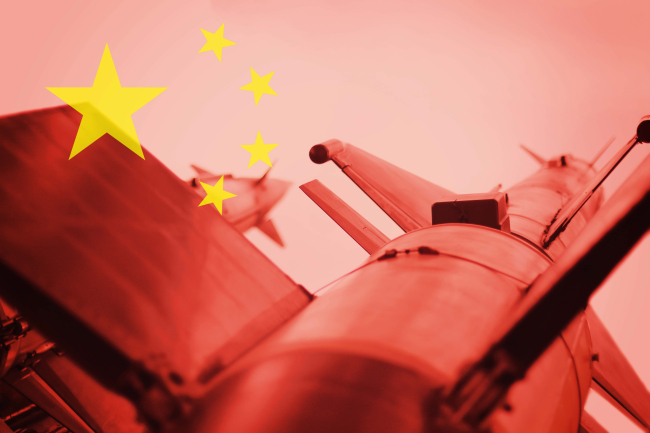
China’s Nuclear Buildup: Developments, Drivers, and Implications for Major-Power Relations and Arms Control
China has been steadily expanding its nuclear arsenal for several years amid levels of geopolitical tension unseen since the end of the Cold War, marked by a resurgence in nuclear proliferation and a broader, global arms race.