






Practical information
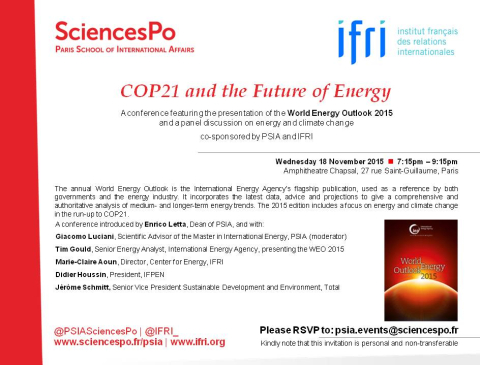
Due to the events, we inform you that the conference on COP21 and the Future of Energy, scheduled on November 18 at Sciences Po Paris is cancelled. Thank you for your comprehension
A conference featuring the World Energy Outlook 2015 and a panel discussion on Energy and Climate Change.
The annual World Energy Outlook is the International Energy Agency's flagship publication, used as a reference by both governments and the energy industry. It incorporates the latest date, advice and projections to give a comprehensive and authoritative analysis of medium- and longer-term energy trends. The 2015 edition includes a focus on energy and climate change in the run-up to COP21.
Conference introduced by Enrico Letta, Dean of PSIA with
Giacomo Luciani, Scientific Advisor of the Master in international Energy, PSIA (moderator)
Tim Gould, Senior Energy Analyst, International Energy Agency, presenting the WEO 2015
Marie-Claire Aoun, Director, Center for Enegy, Ifri
Didier Houssin, President, IFPEN
Jérôme Schmitt, Senior Vice President, Sustainable Development and Environment, Total
Other events
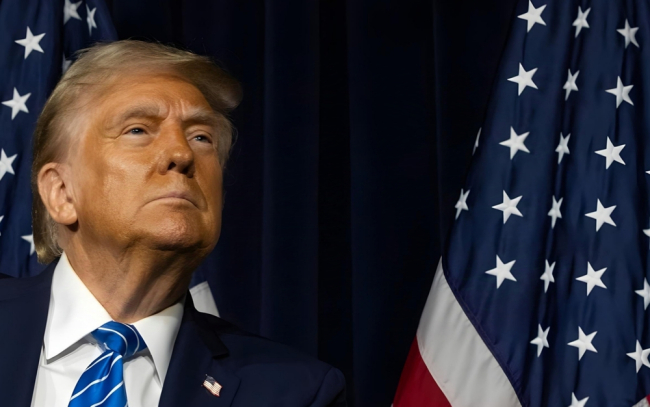
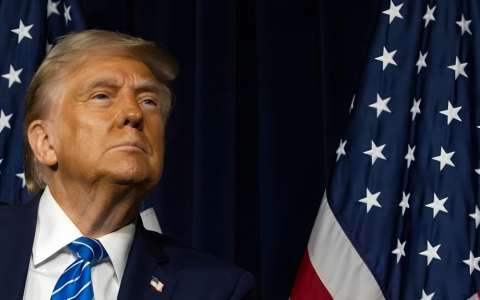
One Month Ahead of the Midterms: Where Is Trump’s America Headed?
The 24th edition of the Ifri Americas Programme Annual Conference will examine the dynamics at play in the United States and their implications for Europe and the transatlantic relationship. will examine the dynamics at play in the United States and their implications for Europe and the transatlantic relationship.
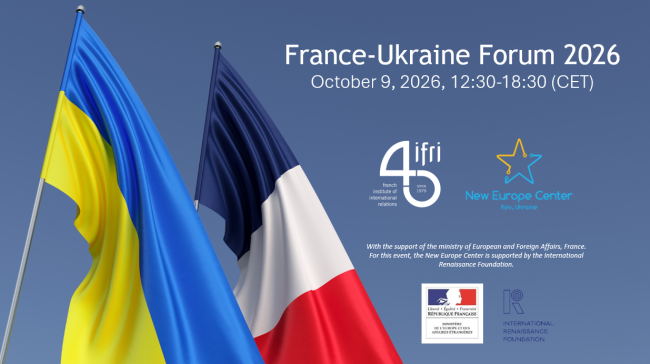
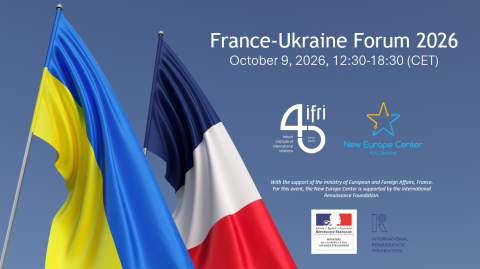
France-Ukraine Forum 2026
More than four and a half years after the start of the full-scale war launched by Russia against Ukraine, the 2026 France-Ukraine Forum will bring together policymakers, experts, academics, and civil society representatives from both countries to discuss three main topics: the formats and conditions for a lasting diplomatic settlement; Ukraine’s Euro-Atlantic integration, encompassing both the EU accession process and closer ties with NATO; and the societal transformations of postwar Ukraine, as well as its prospects for reconstruction.
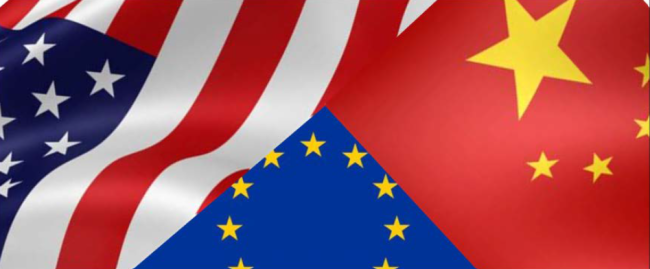
The EU in a World of Economic Warfare: Trade, Geopolitics, and the Battle for Economic Sovereignty
The international trading system has become a primary theatre of geopolitical competition. Tariffs, sanctions, and technology controls have replaced dialogue as the default instruments of economic relations.