






Practical information
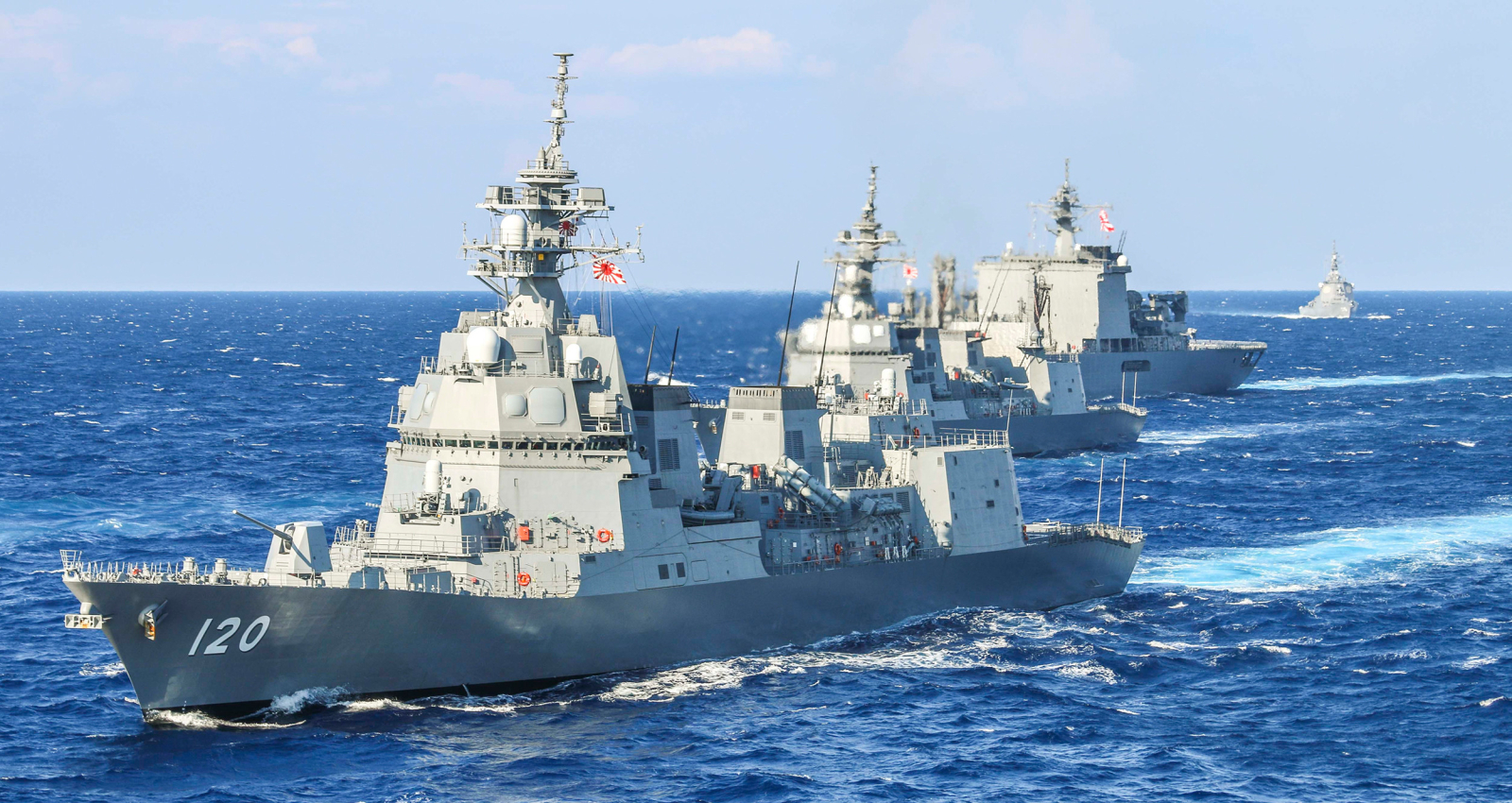
The United States is the linchpin of Taiwan’s security. Under Donald Trump’s presidency, as tensions with the People’s Republic of China grew, the US increasingly took steps to signal ever more clearly its commitment to supporting and defending Taiwan, a trend that seems to have continued somewhat under Joe Biden’s leadership. In recent months, Tokyo has also become more visibly engaged in declaring its commitment to ensuring peace and stability in the Taiwan Strait. This webinar will explore these recent trends, analyse the strength of ties between these three actors, and the implications for the future of stability in the Taiwan Strait and for regional and global peace and security more broadly.
Speakers:
- I-Chung Lai, President, Prospect Foundation
- Shin Kawashima, Professor of International Relations, Graduate School of Arts & Sciences, University of Tokyo
- J Michael Cole, author, journalist, consultant and Senior Fellow, Macdonald-Laurier Institute
Chair: Céline Pajon, Research Fellow, Head of Japan Research, Ifri
Video replay of the debates
Other events
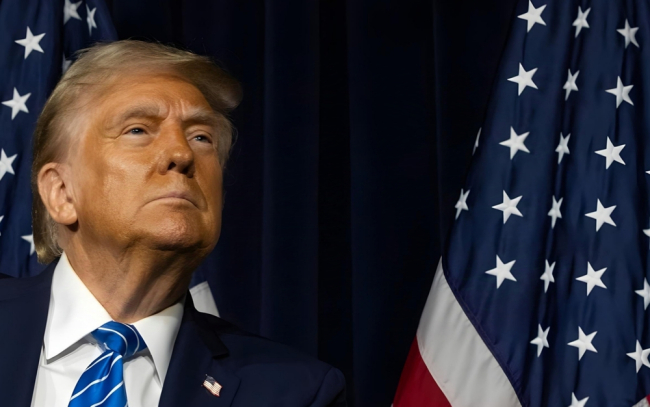
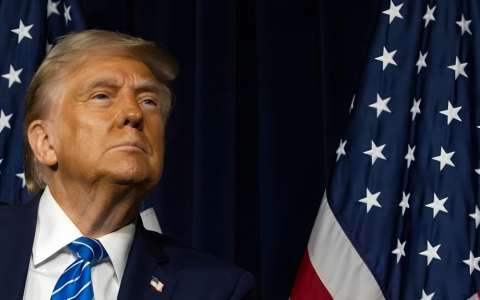
One Month Ahead of the Midterms: Where Is Trump’s America Headed?
The 24th edition of the Ifri Americas Programme Annual Conference will examine the dynamics at play in the United States and their implications for Europe and the transatlantic relationship. will examine the dynamics at play in the United States and their implications for Europe and the transatlantic relationship.
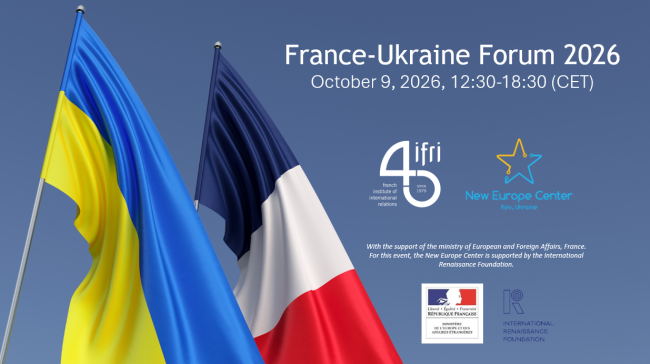
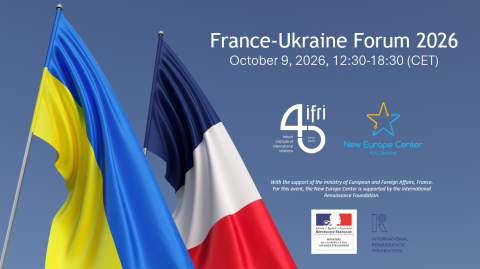
France-Ukraine Forum 2026
More than four and a half years after the start of the full-scale war launched by Russia against Ukraine, the 2026 France-Ukraine Forum will bring together policymakers, experts, academics, and civil society representatives from both countries to discuss three main topics: the formats and conditions for a lasting diplomatic settlement; Ukraine’s Euro-Atlantic integration, encompassing both the EU accession process and closer ties with NATO; and the societal transformations of postwar Ukraine, as well as its prospects for reconstruction.
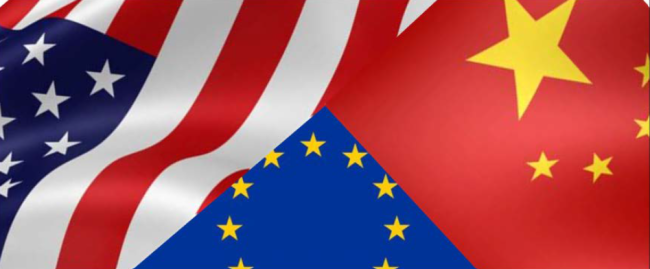
The EU in a World of Economic Warfare: Trade, Geopolitics, and the Battle for Economic Sovereignty
The international trading system has become a primary theatre of geopolitical competition. Tariffs, sanctions, and technology controls have replaced dialogue as the default instruments of economic relations.