


Rethinking Health Governance in the COVID era: Visions from Europe and Japan
Practical information
The COVID-19 pandemics has highlighted the significance, as well as the deep crisis of the health governance system.

The COVID-19 pandemics has highlighted the significance, as well as the deep crisis of the health governance system. The World Health Organization (WHO) has been criticized for falling under political influences and was unable to coordinate a proper international response to tackle the pandemics. Thereafter, various efforts have been made to ensure that a COVID-19 vaccine would become a common good. However, again, national attempts to win the race for vaccine and secure doses for its domestic population clashed with multilateral initiatives.
This webinar will discuss the issue of health governance in the COVID era by providing European and Japanese perspectives on the topic, as well as looking at WHO’s evolving role.
The webinar will be held in English.
PROGRAM
Chair and discussion leader: Céline PAJON, Head of Japan Research, Center for Asian Studies, Ifri
- Gian Luca BURCI, Adjunct Professor at the Graduate Institute of International and Development Studies, Geneva and former Legal Counsel at the World Health Organization
- The WHO and the COVID-19 pandemics: assessment and implications for the future of the organization
- Susan BERGNER, Research Fellow, SWP, Berlin
- Europe and the COVID-19 crisis: challenges and opportunities for a EU global health strategy
- Europe and the COVID-19 crisis: challenges and opportunities for a EU global health strategy
- Kayo TAKUMA, Professor, Tokyo Metropolitan University
- Japan's role in the present and post-Covid global health governance
- Japan's role in the present and post-Covid global health governance
- Ryoji NORITAKE, CEO, Board Member of Health and Global Policy Institute (HGPI)
- Japan's experience in tackling COVID-19: reflection in terms of health governance
Related Subjects
Other events
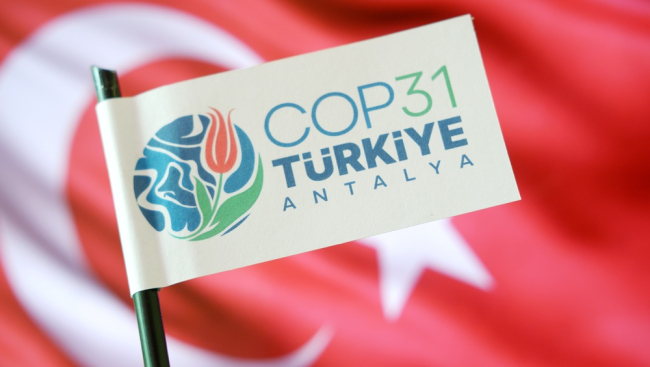
COP31 in Antalaya: State of the Global Climate Governance, Issues, Perspectives
COPs have become a year-end marathon to revigorate a world now entering the era of climate overshoot. While Türkiye exhibits the largest coal-fired power generation in OECD Europe, it has embraced the electrification agenda and aims at joining forces with Australia on fostering action and implementation. This is an unusual de facto co-presidency arrangement, but one that could yield promising results. This webinar will take stock of what climate governance has achieved and of the issues still to be negotiated, and explore what impetus this Turkish–Australian partnership could provide.
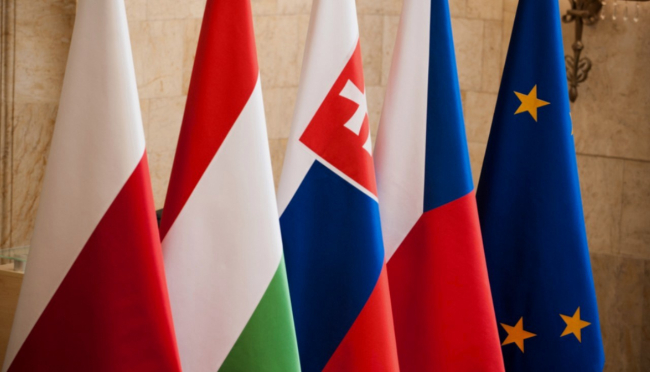
A New Moment for Central Europe? Regional Cooperation in a Time of European Strategic Choices
Recent political developments in Central Europe have revived the debate about the future of regional cooperation and the Visegrád Group. Changes in Hungary, Poland, the Czech Republic and Slovakia, together with Austria’s growing interest in closer cooperation with its neighbours, could create new opportunities for dialogue and coordination around shared priorities.
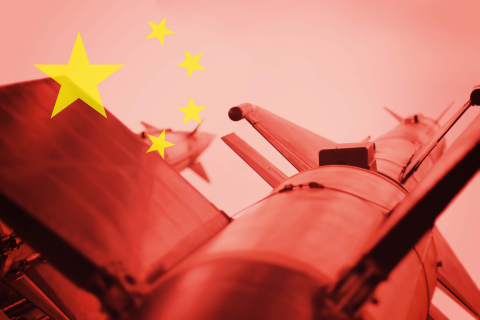
China’s Nuclear Buildup: Developments, Drivers, and Implications for Major-Power Relations and Arms Control
China has been steadily expanding its nuclear arsenal for several years amid levels of geopolitical tension unseen since the end of the Cold War, marked by a resurgence in nuclear proliferation and a broader, global arms race.