


Is Turkey an Economic Exception?
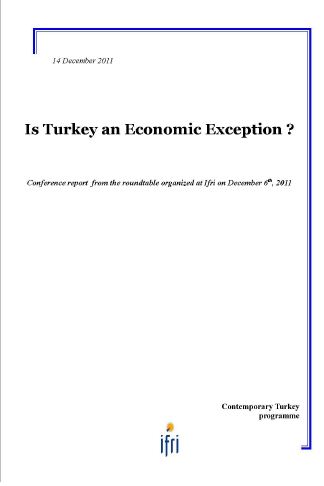
This roundtable dealt with the specificities of Turkey"s economy, which is completing major economic achievements in particularly difficult times. François Faure analyzed the risks of an economic backlash following the European crisis; Turkey appears indeed in a weaker position than in 2008 and difficult times could lie ahead. Esen Çağlar pointed out how Turkey progressed from a low-technology to medium-technology economy, thus ensuring considerable levels of growth. Yet, a renewed reform agenda is needed if Turkey wants to maintain its economic performance. Deniz Ünal addressed the issue of economic governance under the AKP and the consistency of their economic policy agenda. In any case, Europe will most certainly play a role in the country"s economic future. According to Rémi Bourgeot, the Middle East cannot provide an alternative to European markets even if it offers interesting opportunities for the Turkish South East. Turkey"s future growth will also depend on its capacity to impose itself as a corridor between Europe and its neighbours energy resources.
Speakers :
François FAURE, head of country-risk division at BNP-Paribas
Esen ÇAĞLAR, economist at the Economic Policy Research Foundation of Turkey (Türkiye Ekonomi Politikaları Araştırma Vakfı - TEPAV)
Deniz ÜNAL, economist at the Centre d'Etudes Prospectives et d'Informations Internationales (CEPII)
Rémi BOURGEOT, economist, expert on emerging economies.

Available in:
Regions and themes
Share
Download the full analysis
This page contains only a summary of our work. If you would like to have access to all the information from our research on the subject, you can download the full version in PDF format.

Related centers and programs
Discover our other research centers and programs
Turkey/Middle East Program
Ifri's Turkey/Middle East Program aims to provide expertise on the trends and developments in politics, societies and economies across the region.
The programme has the following objectives:
- Proposing a new approach towards the MENA region through an analysis of local, regional, and international dynamics with the potential to guide and influence new policies.
- Highlighting the role of foreign powers which have traditionally been present in the region and analyzing the new role taken on by emerging countries ;
- Anticipating new directions and outlooks in each country.
- Interpreting risks and potentials and putting forward new templates for analysis.
The programme has built a dense network of researchers and experts who provide expertise on the MENA region and working together on a range of crosscutting themes.
Find out more
Discover all our analyses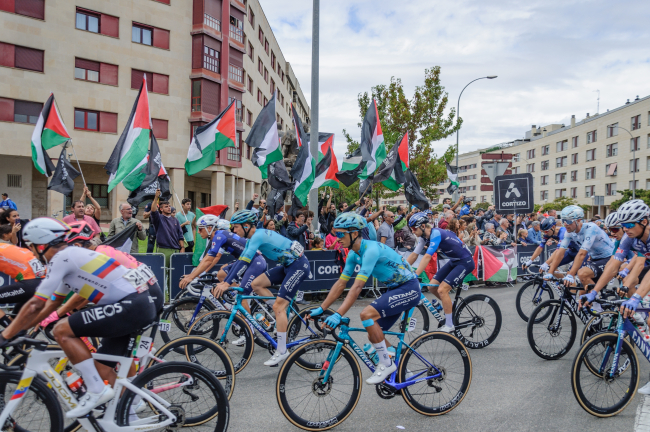
Escalation within Continuity: Spain’s Foreign Policy towards Israel and Palestine after October 7th
Over the past two years, Spain has emerged as one of the most vocal countries in supporting the Palestinian cause. While Madrid initially aligned with the prevailing European position, recognizing Israel’s right to self-defense after the 7 October attacks, it soon distinguished itself from most European Union (EU) Member States by questioning and later condemning Israel’s conduct of war in Gaza.

Australia’s Recognition of Palestine: A Case of Supporting the Status Quo over Accountability
Hamas’s terrorist attacks against Israel on October 7, 2023, killed over a thousand Israelis, altering irrevocably the way the Palestinian/Israeli conflict is viewed internationally. Australia’s government professed profound shock and disgust at Hamas’s attacks, together with its unwavering diplomatic and political support for Israel. But as Israel’s response became more concerned with exacting revenge and as the pretext to fulfill long-held ideological dreams of a Greater Israel, support from Australia became more muted and conditional. This culminated in Australia joining Britain, France, and Canada in formally recognizing a Palestinian state at the United Nations General Assembly meeting in September 2025.
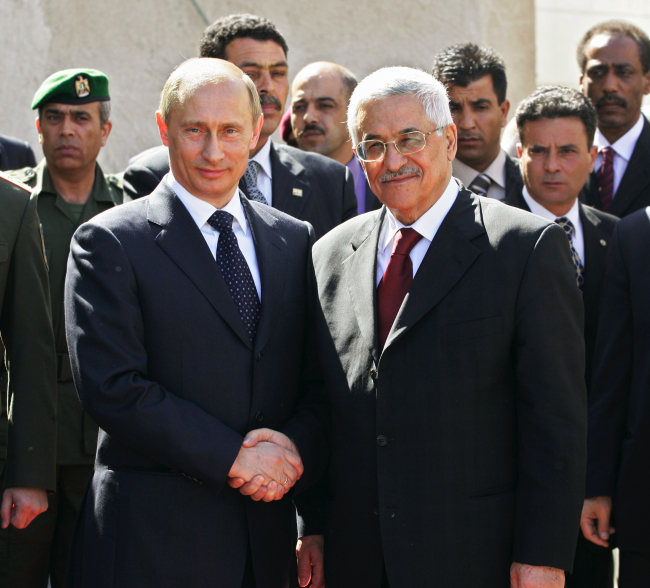
Russia, the Palestinians and Gaza: Adjustments after October 7th
The Soviet Union (USSR), and subsequently the Russian Federation as its internationally recognized legal successor, has consistently sought to play a visible role in efforts to resolve the Israeli-Palestinian conflict.
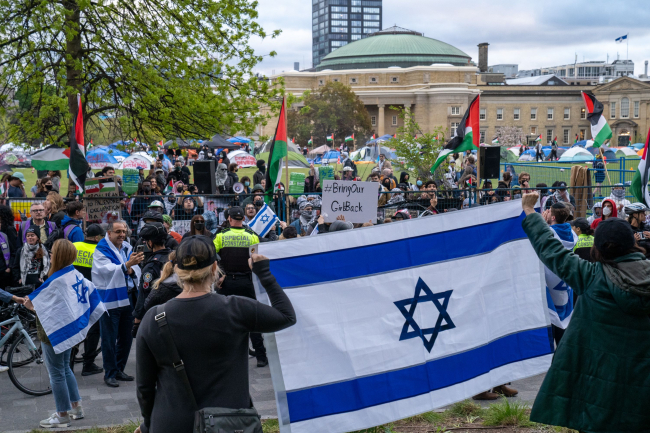
Canada’s Recognition of a Palestinian State: What Consequences on its Foreign Policy Toward Palestine?
On September 21, 2025, Canada became the 148th of 157 countries to recognize Palestine as a state. It did this with the United Kingdom (UK) and Australia, defying the United States (US) and Israeli opposition.