



Practical information
Le Centre des études de sécurité de l'Ifri organise, dans le cadre du quatrième cycle de "séminaires-sandwichs" septembre 2009-juin 2010, le deuxième séminaire autour de Mark Joyce, Chercheur associé au RUSI (Londres) et Analyste chez Stirling Assynt, cabinet de risque-pays et d'analyse stratégique (Londres).Séminaire sur invitation.
Merci de vous inscrire par courriel à : [email protected] ou par fax : 01 40 61 60 60.
Contact : Françoise Thomas : [email protected] ou 01 40 61 60 29
Les participants peuvent apporter un sandwich s'ils le souhaitent
----------------------------------------------------------------
Programme provisoire 2009-2010
De la sécurité à la défense ?
24 Septembre : Christophe Pipolo : Lutter contre la piraterie ?
29 Octobre : Mark Joyce : The " Drug War " in Mexico
Fins de conflit, conflits sans fin :
12 Novembre : Eleanor Pavey et Eric Meyer : Fin de conflit au Sri Lanka ?
17 Décembre : Jérôme Cario : Vers la fin des FARC ?
21 Janvier : Nathalie Hoffmann : Luttes oubliées d'Asie du sud-est
18 Février : Anatol Lieven : Chechnya, an uncertain path towards peace
18 Mars : Raphaël Pouyé : Bilan de EUFOR au Tchad
La frontière, enjeu stratégique :
15 Avril : Michel Foucher : (à confirmer) Frontières et guerres aujourd'hui
20 Mai :Gilles Boquerat : Inde/Pakistan en 2010
17 Juin : Léon Koungou : Bakassi, un conflit réglé ?
Speakers

Our team
Other events
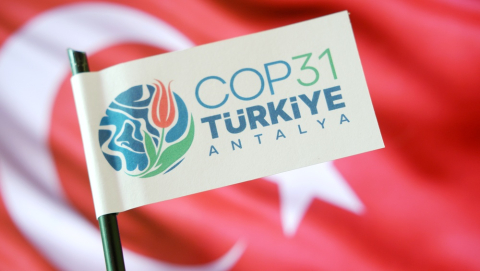
COP31 in Antalaya: State of the Global Climate Governance, Issues, Perspectives
COPs have become a year-end marathon to revigorate a world now entering the era of climate overshoot. While Türkiye exhibits the largest coal-fired power generation in OECD Europe, it has embraced the electrification agenda and aims at joining forces with Australia on fostering action and implementation. This is an unusual de facto co-presidency arrangement, but one that could yield promising results. This webinar will take stock of what climate governance has achieved and of the issues still to be negotiated, and explore what impetus this Turkish–Australian partnership could provide.
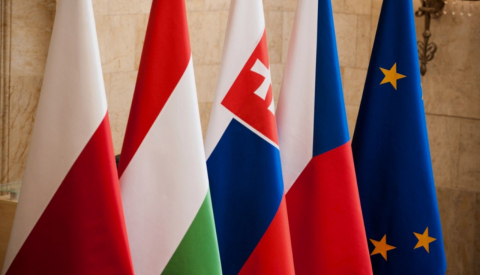
A New Moment for Central Europe? Regional Cooperation in a Time of European Strategic Choices
Recent political developments in Central Europe have revived the debate about the future of regional cooperation and the Visegrád Group. Changes in Hungary, Poland, the Czech Republic and Slovakia, together with Austria’s growing interest in closer cooperation with its neighbours, could create new opportunities for dialogue and coordination around shared priorities.
China’s Nuclear Buildup: Developments, Drivers, and Implications for Major-Power Relations and Arms Control
China has been steadily expanding its nuclear arsenal for several years amid levels of geopolitical tension unseen since the end of the Cold War, marked by a resurgence in nuclear proliferation and a broader, global arms race.