





Practical information
A luncheon debate with Yann-Sven RITTELMEYER, Research Fellow, Study Committee for Franco-German Relations (Cerfa), Ifri
On 22 January 2013, Paris and Berlin will celebrate the 50th anniversary of the Elysée Treaty. After a year 2012 marked in France by a political change, Germany enters in its turn in campaign. Can the jubilee lead to a new step of the Franco-German cooperation? The bilateral relationship seems to be facing several difficulties: about the crisis that concern the EU today and perhaps more broadly about the very conception of the future of Europe. In front of this new European order, does the Franco-German engine still work?
With the support of the Fondation du Crédit Mutuel
Other events
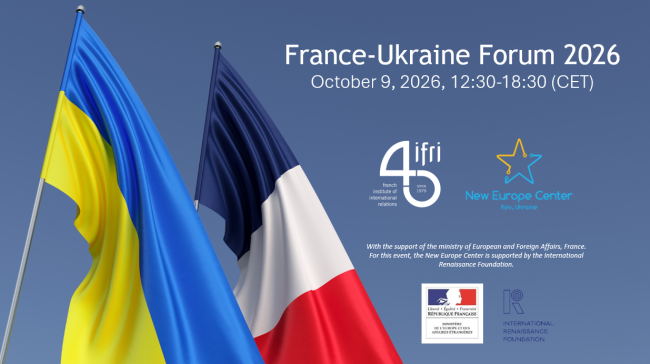
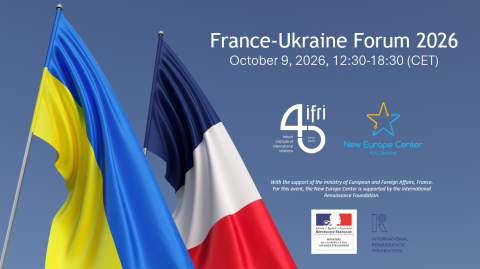
France-Ukraine Forum 2026
More than four and a half years after the start of the full-scale war launched by Russia against Ukraine, the 2026 France-Ukraine Forum will bring together policymakers, experts, academics, and civil society representatives from both countries to discuss three main topics: the formats and conditions for a lasting diplomatic settlement; Ukraine’s Euro-Atlantic integration, encompassing both the EU accession process and closer ties with NATO; and the societal transformations of postwar Ukraine, as well as its prospects for reconstruction.
The EU in a World of Economic Warfare: Trade, Geopolitics, and the Battle for Economic Sovereignty
The international trading system has become a primary theatre of geopolitical competition. Tariffs, sanctions, and technology controls have replaced dialogue as the default instruments of economic relations.
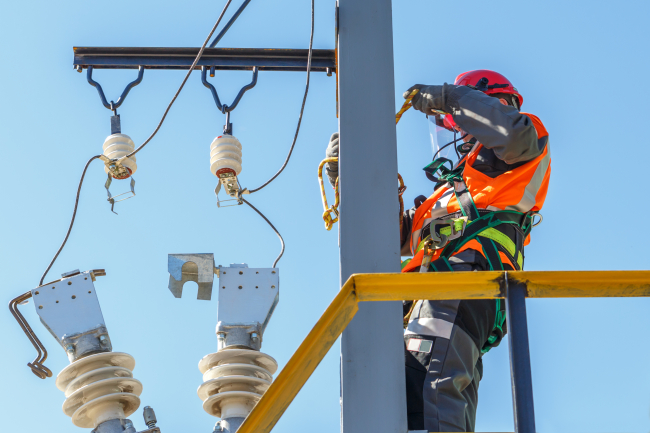
The Road to 27 Electrification Action Plans: Planning and Investing in Europe’s Electric Future
The European Commission’s Electrification Action Plan places the continent on an electric path to structurally reduce dependence on fossil fuel imports and boost the energy transition in industry, transport and buildings.