





China’s New Five-Year Plan: Accelerated Electrification and Global Clean Tech Export Expansion?
Practical information
Accessibility
Themes and regions
Related centers and programs
This is a private event.
Learn more about our corporate support packages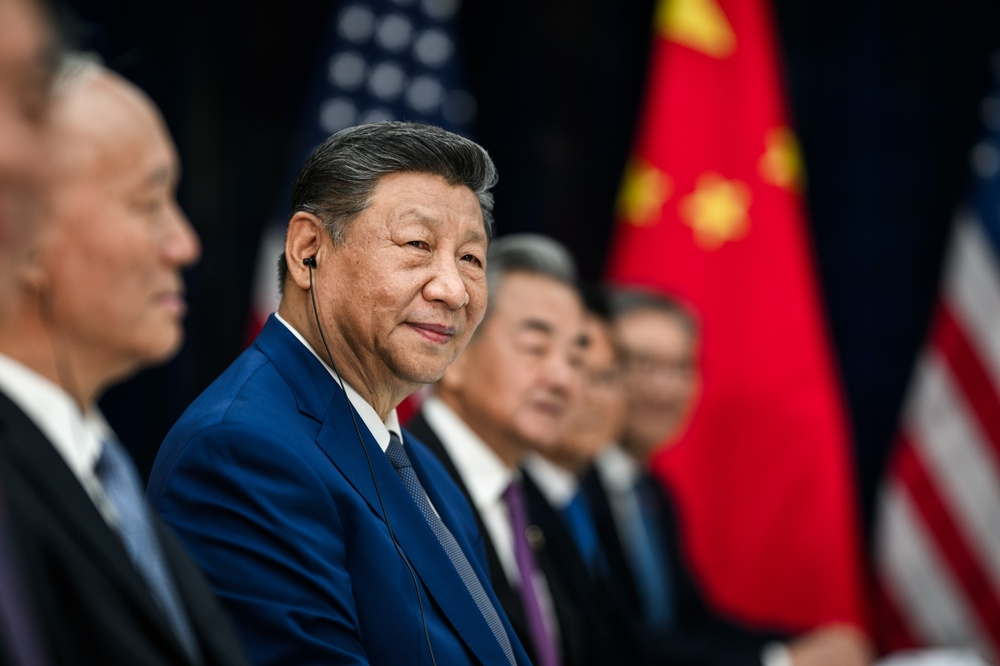
China's energy and clean tech sector developments are continuing to decisively impact the global energy system on the one hand, and to steer the country's economy towards rapid electrification on the other hand.
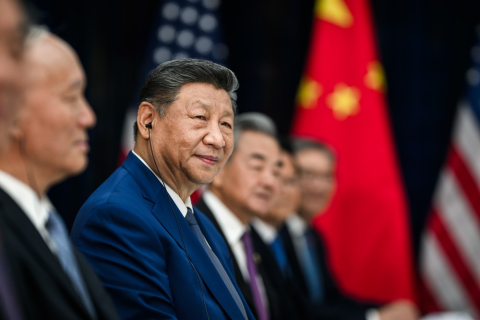
China's diesel consumption peak is near. Meanwhile, the EU's trade deficit with China is soaring as imbalances expand. Beijing's new five-year plan is hence of particular relevance, as are China's further actions in weaponizing raw material supply chains. The outcomes of a prospective Xi-Trump summit in April will necessarily have a significant impact on the path that lies ahead.
Program
Presentation by:
- Kevin Tu, Associate Fellow, Ifri, Director, China office, Agora Energiewende
Discussion with:
- John Seaman, Research Fellow, Center for Asian Studies, Ifri
- Celeste del Vecchio, Independant analyst
Moderation: Marc-Antoine Eyl-Mazzega, Director, Center for Energy and Climate, Ifri
Please note that the event will be held in English without translation.
Contact
Alexandra BOR
Assistant to the Center for Energy & Climate, Ifri

Related Subjects
Other events
France-Ukraine Forum 2026
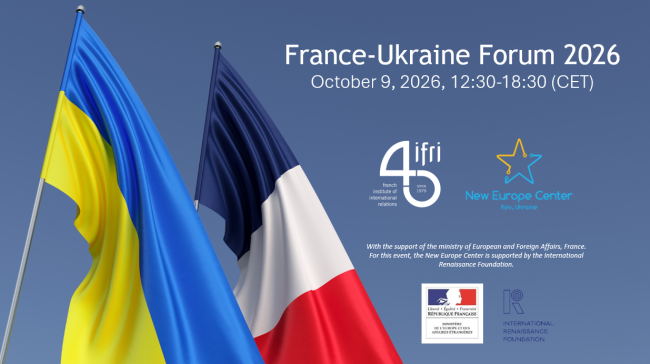
More than four and a half years after the start of the full-scale war launched by Russia against Ukraine, the 2026 France-Ukraine Forum will bring together policymakers, experts, academics, and civil society representatives from both countries to discuss three main topics: the formats and conditions for a lasting diplomatic settlement; Ukraine’s Euro-Atlantic integration, encompassing both the EU accession process and closer ties with NATO; and the societal transformations of postwar Ukraine, as well as its prospects for reconstruction.

The EU in a World of Economic Warfare: Trade, Geopolitics, and the Battle for Economic Sovereignty
The international trading system has become a primary theatre of geopolitical competition. Tariffs, sanctions, and technology controls have replaced dialogue as the default instruments of economic relations.
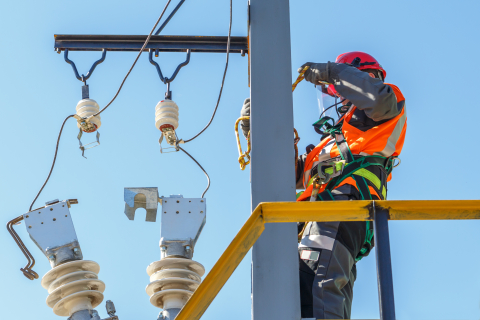
The Road to 27 Electrification Action Plans: Planning and Investing in Europe’s Electric Future
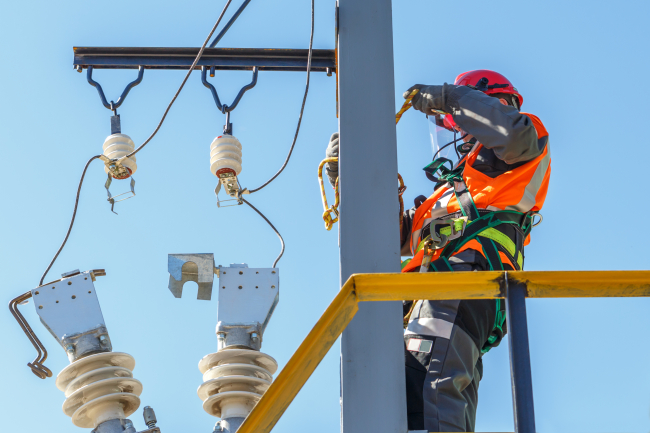
The European Commission’s Electrification Action Plan places the continent on an electric path to structurally reduce dependence on fossil fuel imports and boost the energy transition in industry, transport and buildings.