




Practical information
L'Institut français des relations internationales (Ifri, Paris) et le Centre d'études sociales, économiques et managériales (CESEM, Rabat) organisent cette table ronde à la Fondation du Roi Abdel-Aziz à Casablanca. Cette rencontre a pour objet d'appréhender les liens qu'entretiennent les entrepreneurs avec les instances de décision politique. Il s'agit également d'analyser le positionnement, la visibilité et la perception des entrepreneurs dans l'espace public. A travers les exemples algérien, marocain et tunisie, comment ces entrepreneurs s'adaptent-ils au mode de gouvernance existant et dans quelles mesure sont-ils capables de le réorienter ?
Coordination :
- Khadija Mohsen-Finan, chercheur, responsable du programme Maghreb, ifri
- Driss Ksikes, directeur, CESEM
Other events
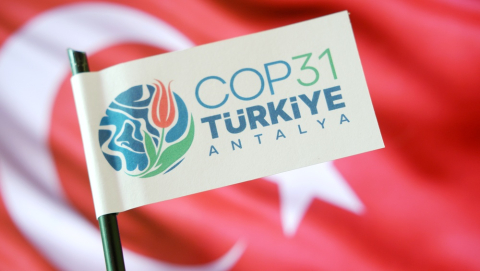
COP31 in Antalaya: State of the Global Climate Governance, Issues, Perspectives
COPs have become a year-end marathon to revigorate a world now entering the era of climate overshoot. While Türkiye exhibits the largest coal-fired power generation in OECD Europe, it has embraced the electrification agenda and aims at joining forces with Australia on fostering action and implementation. This is an unusual de facto co-presidency arrangement, but one that could yield promising results. This webinar will take stock of what climate governance has achieved and of the issues still to be negotiated, and explore what impetus this Turkish–Australian partnership could provide.
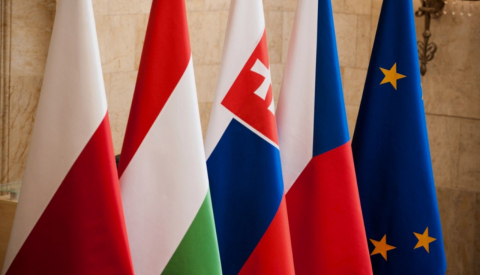
A New Moment for Central Europe? Regional Cooperation in a Time of European Strategic Choices
Recent political developments in Central Europe have revived the debate about the future of regional cooperation and the Visegrád Group. Changes in Hungary, Poland, the Czech Republic and Slovakia, together with Austria’s growing interest in closer cooperation with its neighbours, could create new opportunities for dialogue and coordination around shared priorities.
China’s Nuclear Buildup: Developments, Drivers, and Implications for Major-Power Relations and Arms Control
China has been steadily expanding its nuclear arsenal for several years amid levels of geopolitical tension unseen since the end of the Cold War, marked by a resurgence in nuclear proliferation and a broader, global arms race.