





Practical information
The arrival of one million refugees in Europe between 2015 and 2016 has been perceived as the proof of the drastic acceleration of international migration. What is the reality of the situation? How has this “refugee crisis” affected the European Union and its institutions? Where are we now, one year after?
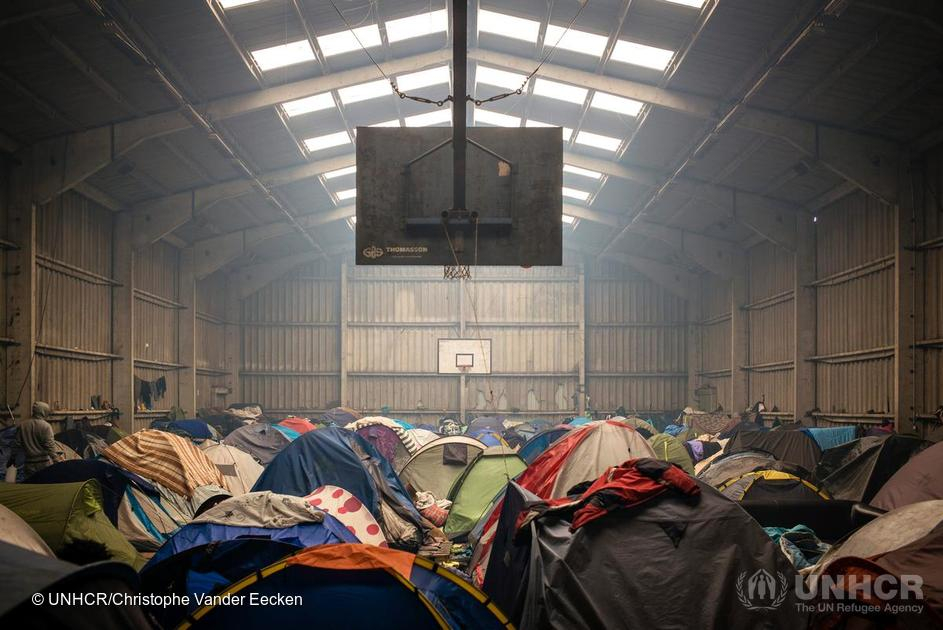
While the institutions and members states of the EU continue to face a lack of solidarity among Europeans, new actors have emerged on the frontline of receiving refugees, beginning with cities. Based on the lessons drawn from a project led by them on the role of elected representatives of European cities, Christophe Bertossi and Matthieu Tardis will illustrate how the “refugee crisis” has deeply changed Europe.
Speakers:
Christophe Bertossi, Director of the Centre for Migration and Citizenship, IFRI
Matthieu Tardis, Research Fellow, Centre for Migration and Citizenship, IFRI
Chairman:
Marc Hecker, Director of Publications, IFRI
The conference is organized as part of the MakingOfCitizenship project with the support from the Europe for Citizens Program of the European Union.
Other events
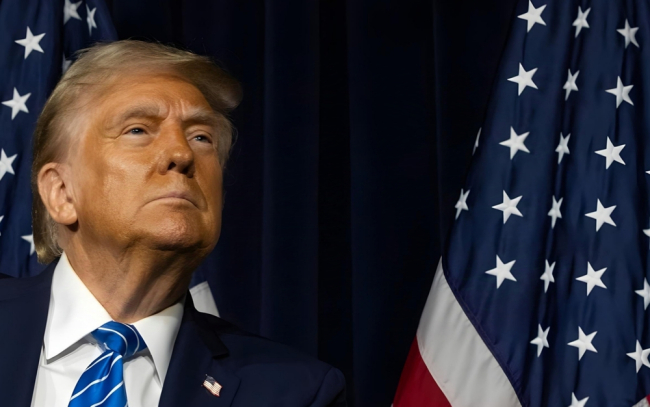
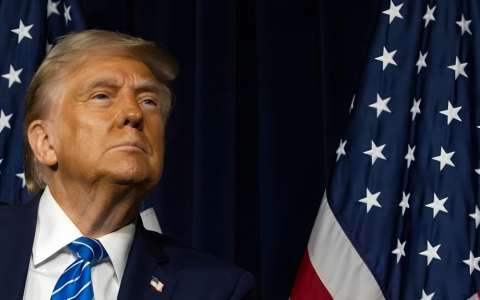
One Month Ahead of the Midterms: Where Is Trump’s America Headed?
The 24th edition of the Ifri Americas Programme Annual Conference will examine the dynamics at play in the United States and their implications for Europe and the transatlantic relationship. will examine the dynamics at play in the United States and their implications for Europe and the transatlantic relationship.
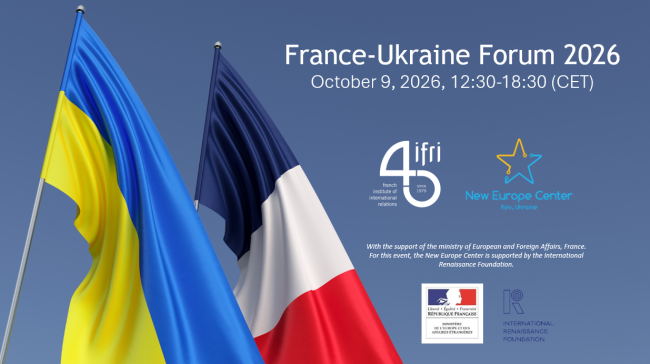
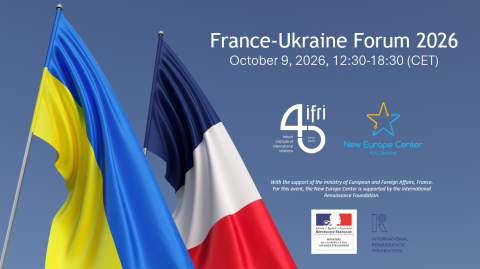
France-Ukraine Forum 2026
More than four and a half years after the start of the full-scale war launched by Russia against Ukraine, the 2026 France-Ukraine Forum will bring together policymakers, experts, academics, and civil society representatives from both countries to discuss three main topics: the formats and conditions for a lasting diplomatic settlement; Ukraine’s Euro-Atlantic integration, encompassing both the EU accession process and closer ties with NATO; and the societal transformations of postwar Ukraine, as well as its prospects for reconstruction.
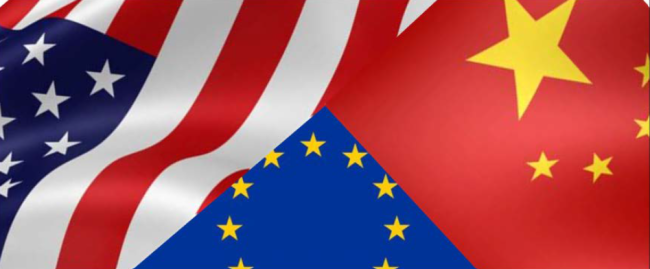
The EU in a World of Economic Warfare: Trade, Geopolitics, and the Battle for Economic Sovereignty
The international trading system has become a primary theatre of geopolitical competition. Tariffs, sanctions, and technology controls have replaced dialogue as the default instruments of economic relations.