




Practical information
Accessibility
Themes and regions
Related centers and programs
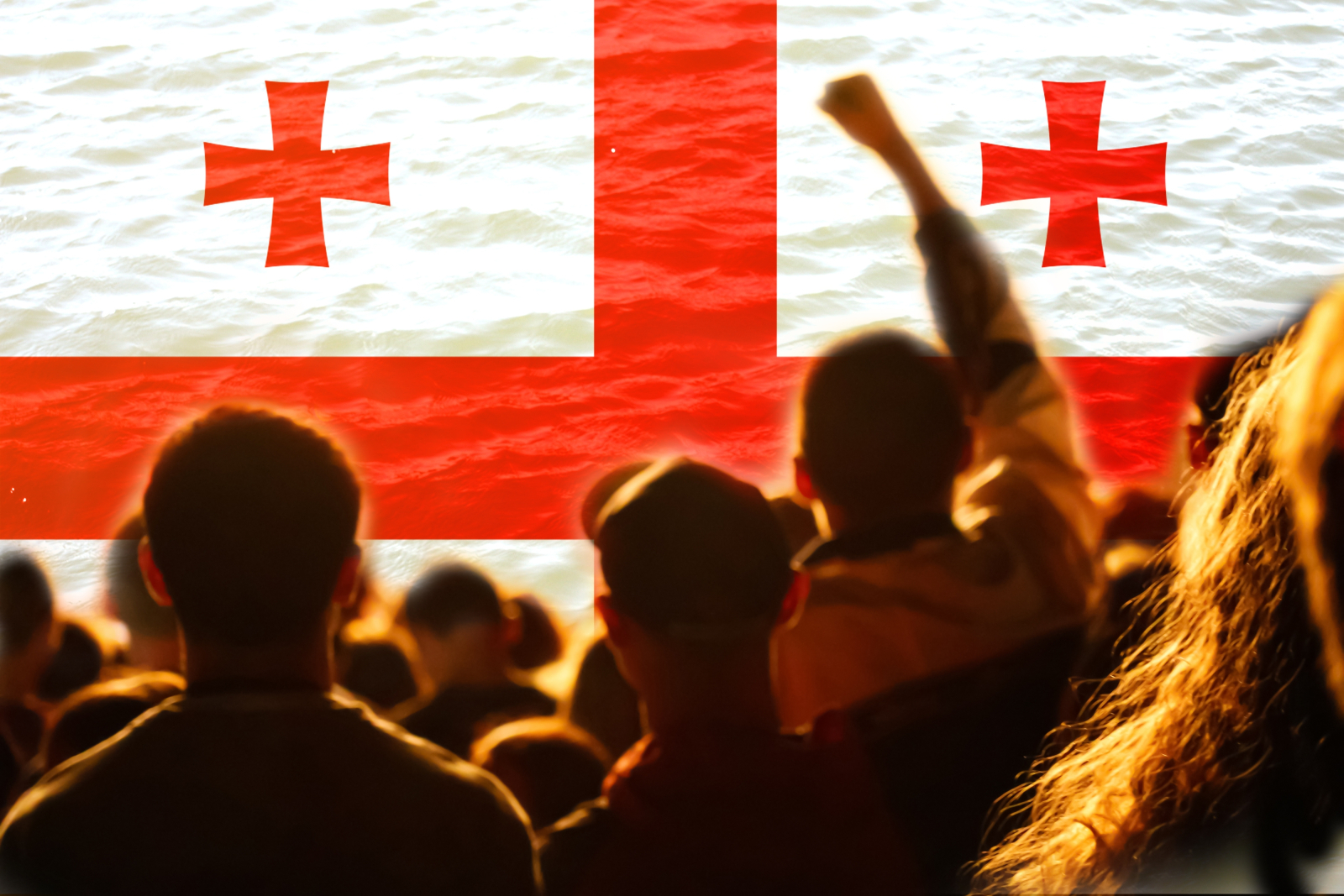
The Georgian state is currently undergoing a critical phase of democratic decline, marked by the domination of the Georgian Dream party and an authoritarian drift that is disrupting its political institutions.
This shift is reflected in repressive laws, the prosecution of the opposition, the oppression of civil society, and a strong dependence on the oligarchy backed by Russian interests. This new internal paradigm has important regional and international consequences: Tbilisi's foreign policy is now moving towards greater isolation, frozen Euro-Atlantic cooperation, and a discreet rapprochement with Moscow. The conference will analyze the causes, dynamics, and possible scenarios of this transformation, drawing lessons for the stability of the Caucasus and the future of the democratic order in Eastern Europe.
Speakers:
Vano Chkhikvadze, Head of the EU Advocacy of Berlin based organization "Araminta"
Thorniké Gordadzé, Former State Minister for European and Euro-Atlantic Integration of the Republic of Georgia, Professor at the Paris Institute of Political Studies (Sciences Po), Fellow at Jacques Delors Institute and Tbilisi based think-tank Gnomon Wise
Sergi Kapanadze, Professor of International Relations and European Integration at the Ilia State and Caucasus Universities in Tbilisi, Georgia
Chair:
Tatiana Kastouéva-Jean, Head of the Russia/Eurasia Center, Ifri
This event will be held under the Chatham House rule.
Contact
Marie-Liesse de CHAPTES
Project Officer, Russia/Eurasia Center, Ifri

Related Subjects
Other events
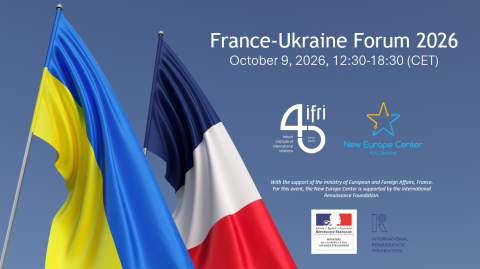
France-Ukraine Forum 2026
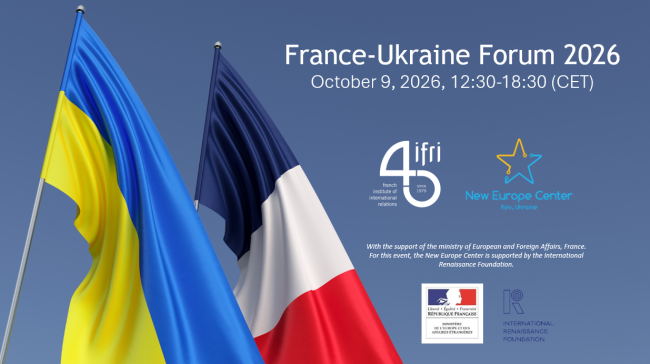
More than four and a half years after the start of the full-scale war launched by Russia against Ukraine, the 2026 France-Ukraine Forum will bring together policymakers, experts, academics, and civil society representatives from both countries to discuss three main topics: the formats and conditions for a lasting diplomatic settlement; Ukraine’s Euro-Atlantic integration, encompassing both the EU accession process and closer ties with NATO; and the societal transformations of postwar Ukraine, as well as its prospects for reconstruction.
The EU in a World of Economic Warfare: Trade, Geopolitics, and the Battle for Economic Sovereignty
The international trading system has become a primary theatre of geopolitical competition. Tariffs, sanctions, and technology controls have replaced dialogue as the default instruments of economic relations.
The Road to 27 Electrification Action Plans: Planning and Investing in Europe’s Electric Future
The European Commission’s Electrification Action Plan places the continent on an electric path to structurally reduce dependence on fossil fuel imports and boost the energy transition in industry, transport and buildings.