


North Africa and Middle East
Analysis of changing dynamics in the North Africa/Middle East region, against a backdrop of increasing security crises and their political, economic and energy consequences.
Related Subjects
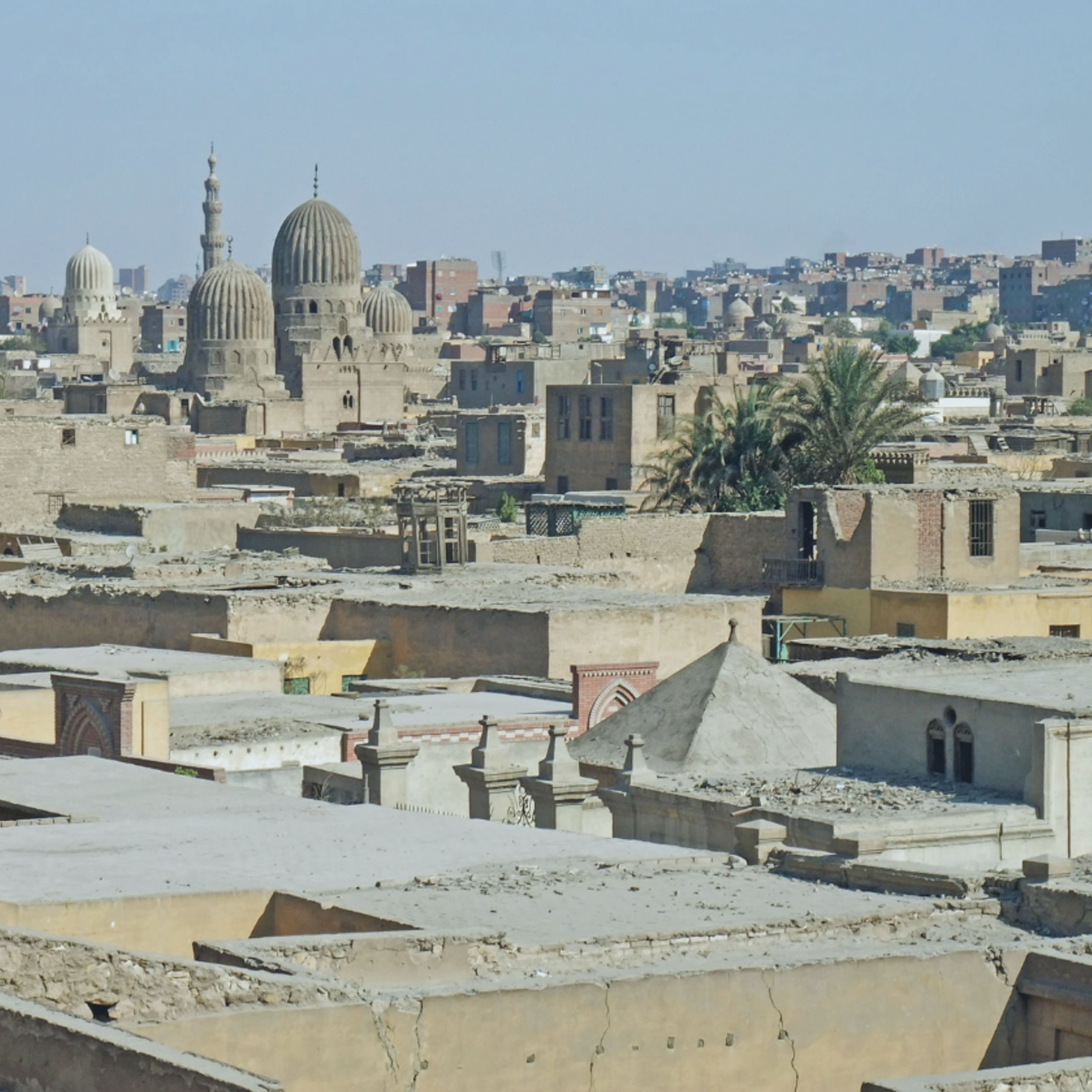
Gulf Sovereign Wealth Funds: Major Actors in World Finance
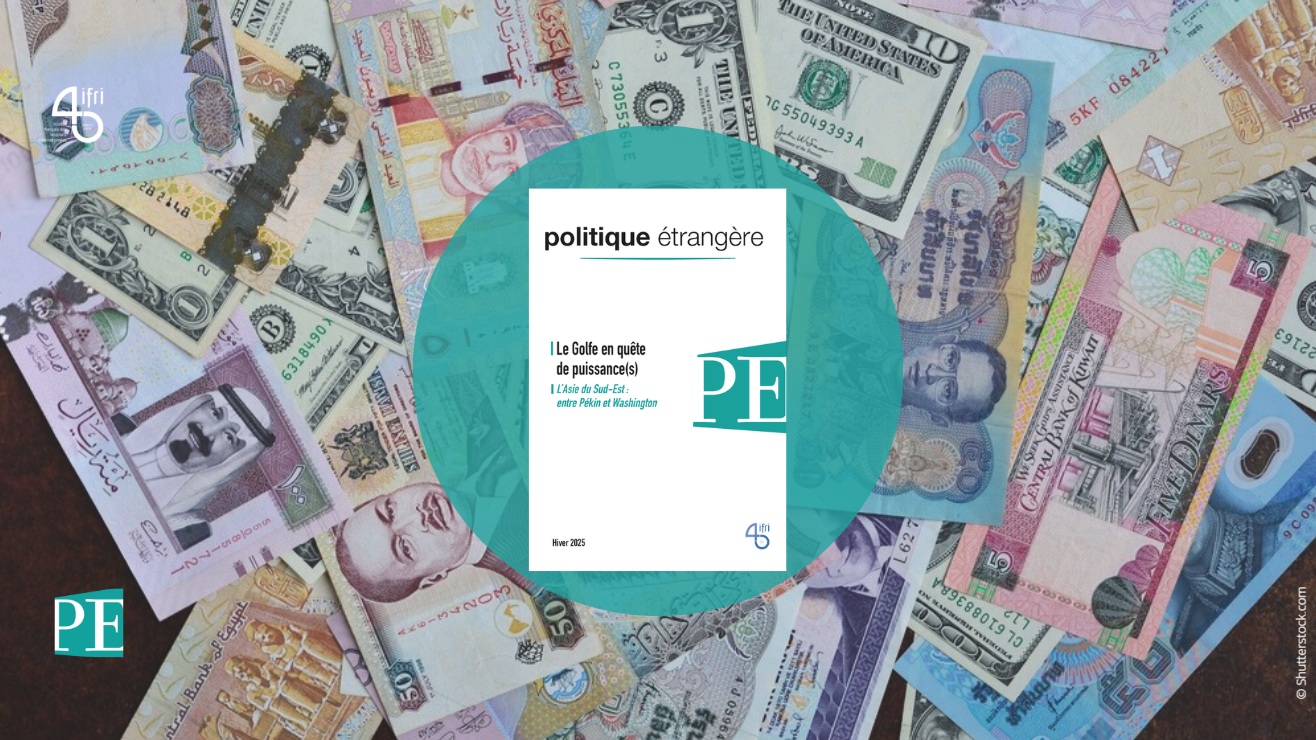
The sovereign wealth funds of Gulf countries have become key players in world finance. By investing colossal sums in strategic sectors, they contribute both to local development and the growing influence of the Gulf monarchies in the global economy and international politics. In the near future, they will have to grapple with two challenges: that of human capital, and that of their geopolitical position between the Global North and Global South.
Controlling Trafficking or Losing the North : Notes on Trafficking in Mauritania
Our interest in this topic stems both from our annual visits to Mauritania which started fifteen years ago, and the tiny amount of research noticed on trafficking in this country.
The Gulf Cooperation Council in the Maghreb: Exchange and Investment Strategies
The Gulf Cooperation Council (GCC) is a regional organization which was created in 1981, reassembling six Arab countries together: Saudi Arabia, Kuwait, Bahrain, Oman, Qatar, and the United Arab Emirates (UAE). Thanks to their oil income, GCC countries have enjoyed economic boom since 2002, hence breaking with the 1990s economic slow-down.
Morocco and its "New Border". A Critical Lecture of Morocco's Economic African Strategy
Since Mohammed VI came into power, Morocco’s African policy has undergone notable change in comparison to his predecessor’s period.
From Moscow to Mecca: Russia's Saudi Arabian Diplomacy
Relations between Russia and Saudi Arabia have never been as friendly as they were in 2009. After years of tension over Saudi support for Islamist fundamentalism in the post-Soviet space and Russia's proximity to Iran and Iraq, Moscow and Riyadh have progressively moved closer to each other.
Russia's Greater Middle East Policy: Securing Economic Interests, Courting Islam
Russia's foreign policy toward the Greater Middle East is not an aggressive, anti-Western one, but a defensive policy aimed more at protecting Russian economic interests, working with virtually any government that opposes Sunni radicalism, and preventing Moscow from becoming a target of Muslim anger as occurred during the Soviet intervention in Afghanistan (1979-1989) and Chechnya (since 1994).
Arabs and Tuaregs in Colonial and Malian Armed Forces: A Story in Trompe-l'Oeil
This contribution consists in analyzing the unifying or opposing relations between the central State-power and the southern part of central-Saharan populations, mainly Arabs and Tuaregs, within the relational framework of colonial and Malian armed forces.
Trafficking in the Sahel-Saharan Zone: Features and Stake
On November 5th 2009, a cocaine-loaded Boeing 727 aircraft arriving from Venezuela was discovered torched and emptied on a makeshift airstrip in the Malian desert (Gao region). The sahel-saharan area is clearly a contact zone between very distant worlds.

The Algerian Diplomacy in Search of Its Golden Age
'Most Algerians make an uncompromising assessment of their country's track record over the past 20 years, and the absence of Algerian diplomacy remains a burning and recurrent issue'.
Support independent French research
Ifri, a foundation recognized as being of public utility, relies largely on private donors – companies and individuals – to guarantee its sustainability and intellectual independence. Through their funding, donors help maintain the Institute's position among the world's leading think tanks. By benefiting from an internationally recognized network and expertise, donors refine their understanding of geopolitical risk and its consequences on global politics and the economy. In 2025, Ifri supports more than 80 French and foreign companies and organizations.
Related centers and programs
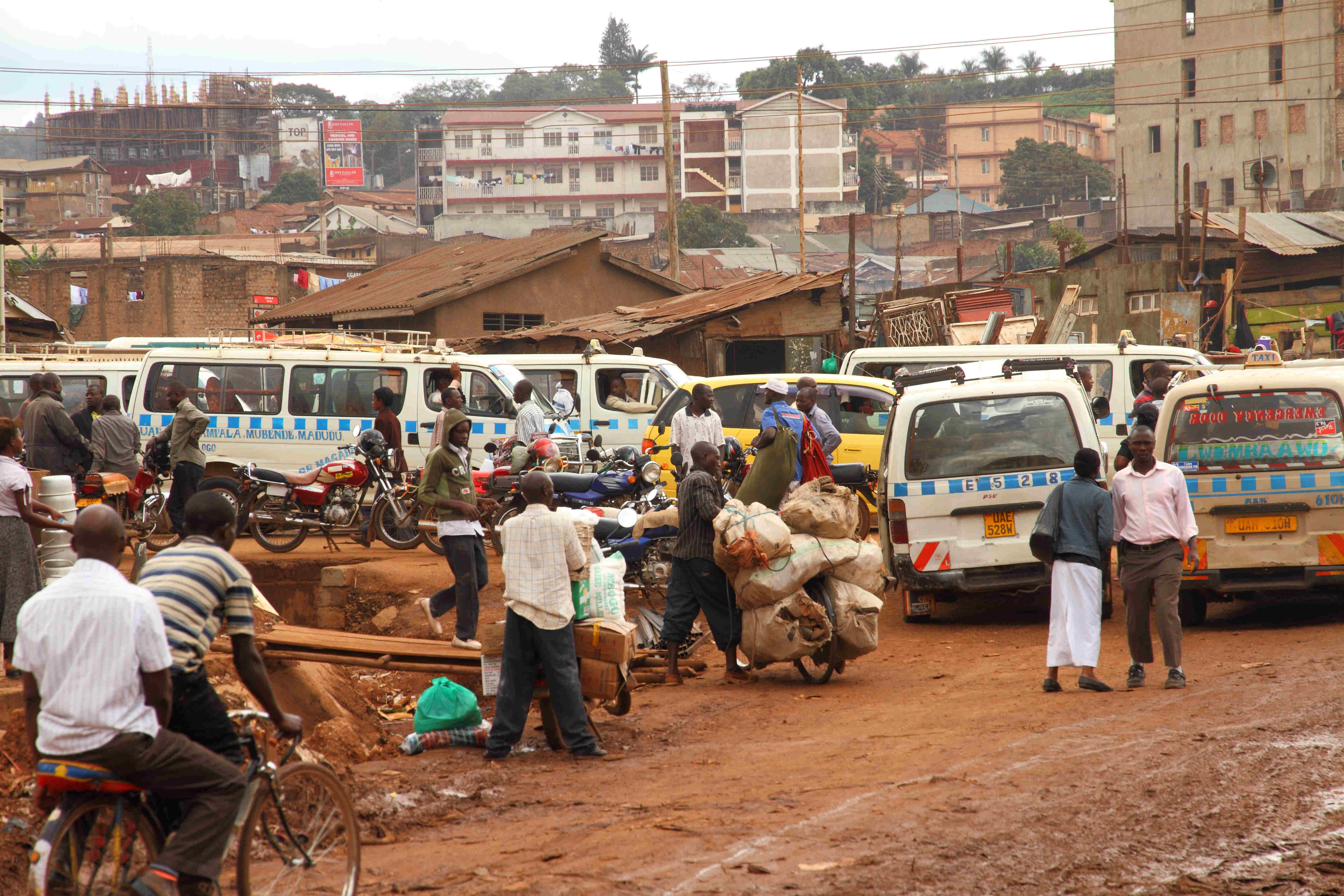
Governing the Urban Transition in Africa
Sub-Saharan Africa's cities are experiencing the fastest growth rates in the world. By 2050, most of the countries in the region will have made an urban transition, meaning that more than 50% of their population will live in urban areas. Urban growth is often presented as a cornerstone of the continent's socio-economic development.
To assess these challenges Ifri’s Sub-Saharan Africa Center is launching, in May 2022, a research program looking into the major socio-economic and geopolitical challenges of urban dynamics on the continent.
The program deals with urban development in Africa through a sectoral and cross-cutting approach based on three key sectors:
- Land issues are the foundation of urban life. Each urban project triggers changes within the relationship between land and its inhabitants.
- Urban infrastructure is often presented as a solution to the challenges of demographic growth in cities. However, the lack of infrastructure and its financing remains a concern for specialists.
- The mobility of goods, people and financial flows is characteristic of urban life and drives the multiple links between cities and the countryside. Analyzing the urban-rural continuum is at the heart of this program's objectives.
Research will be conducted at the macro (continental), meso (country), and micro (city/neighborhood) levels and will be promoted through events and publications.
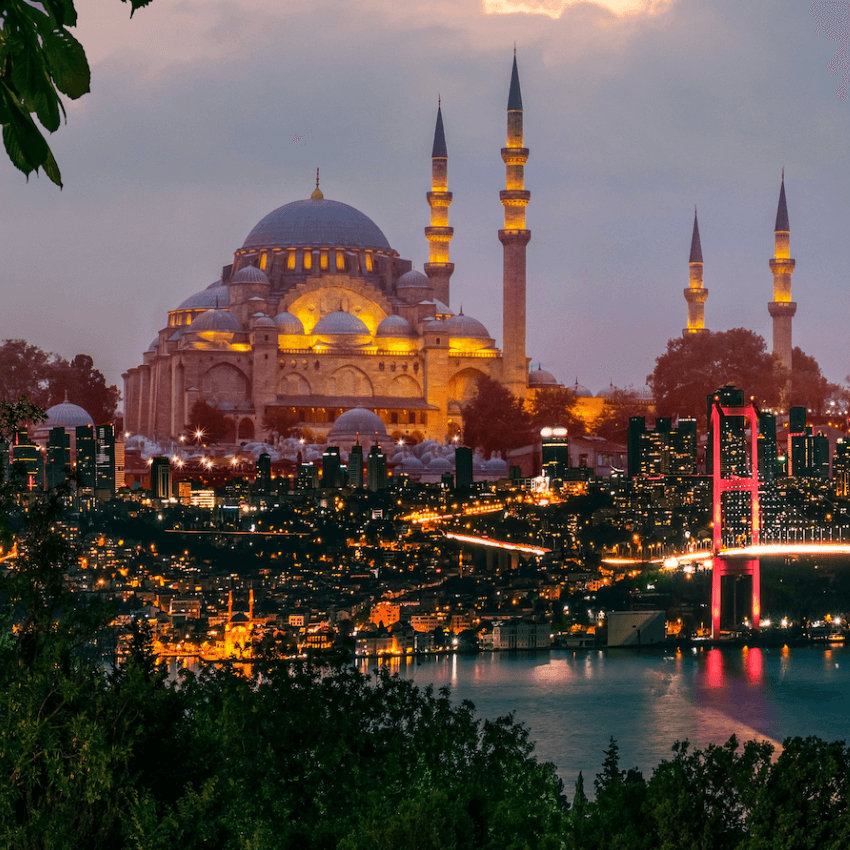
Turkey/Middle East Program
Ifri's Turkey/Middle East Program aims to provide expertise on the trends and developments in politics, societies and economies across the region.
The programme has the following objectives:
- Proposing a new approach towards the MENA region through an analysis of local, regional, and international dynamics with the potential to guide and influence new policies.
- Highlighting the role of foreign powers which have traditionally been present in the region and analyzing the new role taken on by emerging countries ;
- Anticipating new directions and outlooks in each country.
- Interpreting risks and potentials and putting forward new templates for analysis.
The programme has built a dense network of researchers and experts who provide expertise on the MENA region and working together on a range of crosscutting themes.