



Central Asia
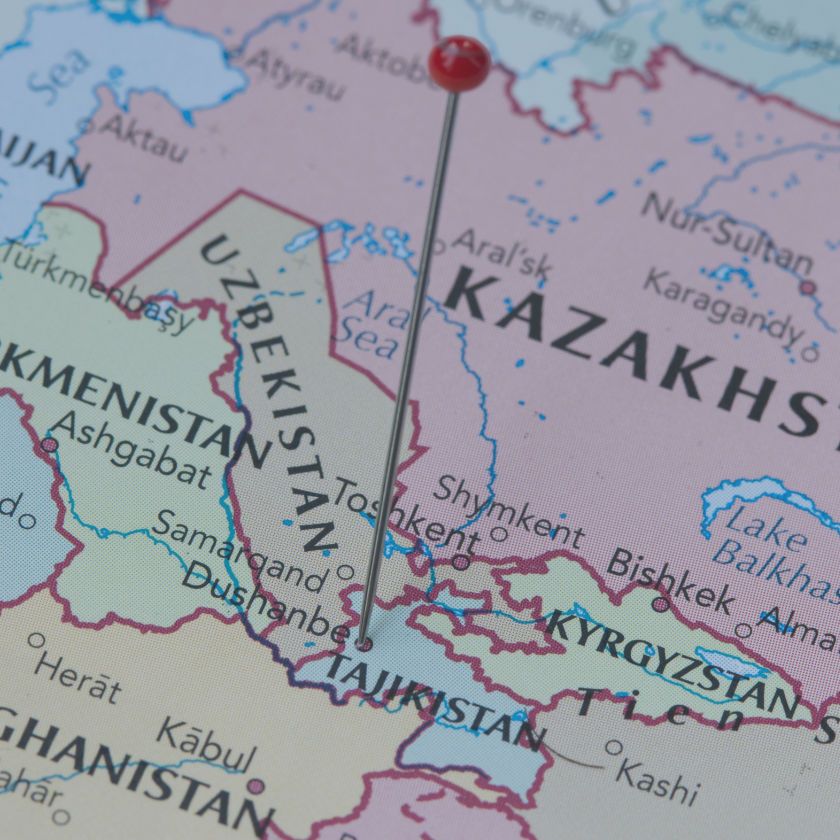
For the countries of Central Asia (Kazakhstan, Uzbekistan, Kyrgyzstan, Turkmenistan, Tajikistan), stability, development and empowerment in the face of Russia and China are major challenges.
China in Kyrgyzstan and Tajikistan: From Economic Presence to a New Security Role
Over the past three decades, China’s influence in Central Asia has steadily expanded, but in the last three to five years this process has entered a markedly accelerated phase. Following 2022, Beijing effectively revised both its strategy and its operational approach toward the region.
Kazakhstan After the Double Shock of 2022: Political, Economic and Military Consequences
The year 2022 represented a dual shock for Kazakhstan. In January, the country faced its most severe political crisis since independence, followed in February by Russia’s full-scale invasion of Ukraine, which cast uncertainty over the borders of post-Soviet states. These consecutive crises profoundly shaped Kazakhstan’s domestic and foreign policy.
The Caspian Sea as an Emerging Energy Hub : Potentials and Limitations
This report analyzes the prospects of the Caspian Sea region — and its key actors except for Russia and Iran — becoming an important energy hub serving the needs of the European Union (EU).
What Next for Afghanistan?
In a context defined by the failure of military interventions, multiple attacks, and criticized parliamentary elections, uncertainty reigns over the country.
Afghanistan’s Difficult Transition
Afghanistan’s transition has been, politically speaking, slower than first expected; militarily, it has been difficult with the Taliban increasing its attacks in many provinces, compromising the possibility of dialogue with the new power; and a diplomatic transition in which partners and neighbors have moved slowly from dialogue to action.
China in Kyrgyzstan and Tajikistan: From Economic Presence to a New Security Role
Over the past three decades, China’s influence in Central Asia has steadily expanded, but in the last three to five years this process has entered a markedly accelerated phase. Following 2022, Beijing effectively revised both its strategy and its operational approach toward the region.
Kazakhstan After the Double Shock of 2022: Political, Economic and Military Consequences
The year 2022 represented a dual shock for Kazakhstan. In January, the country faced its most severe political crisis since independence, followed in February by Russia’s full-scale invasion of Ukraine, which cast uncertainty over the borders of post-Soviet states. These consecutive crises profoundly shaped Kazakhstan’s domestic and foreign policy.
The Caspian Sea as an Emerging Energy Hub : Potentials and Limitations
This report analyzes the prospects of the Caspian Sea region — and its key actors except for Russia and Iran — becoming an important energy hub serving the needs of the European Union (EU).
Support independent French research
Ifri, a foundation recognized as being of public utility, relies largely on private donors – companies and individuals – to guarantee its sustainability and intellectual independence. Through their funding, donors help maintain the Institute's position among the world's leading think tanks. By benefiting from an internationally recognized network and expertise, donors refine their understanding of geopolitical risk and its consequences on global politics and the economy. In 2026, Ifri partners with over 90 French and international companies and organizations.
