




3435 publications

The Development of Hydrocarbons in East Africa: Political and Security Challenges
East Africa has the potential to experience a gas and liquefied natural gas (LNG) export boom in the coming years due to several projects that have been released.
Does the conservative media unanimously support Trump's 2020 bid?
From the 1920s to the 1980s, the American press followed strict discursive practices based on objectivity and fairness. Starting in the 1930s, the country's political center of gravity was on the liberal side and there were few overtly conservative media.
China’s Social Credit System: A Chimera with Real Claws
China's Social Credit System remains a poorly understood combination of rating schemes and blacklists, but the consequences for individuals and businesses are very real.
What Is a Think Tank?
When I was laying the foundations for the French Institute of International Relations (Ifri)1 in 1978 and 1979, only a select few in France were familiar with the English term “think tank” and had at least an approximate idea of what it covered.
This term has become fashionable but still has no consensual definition.
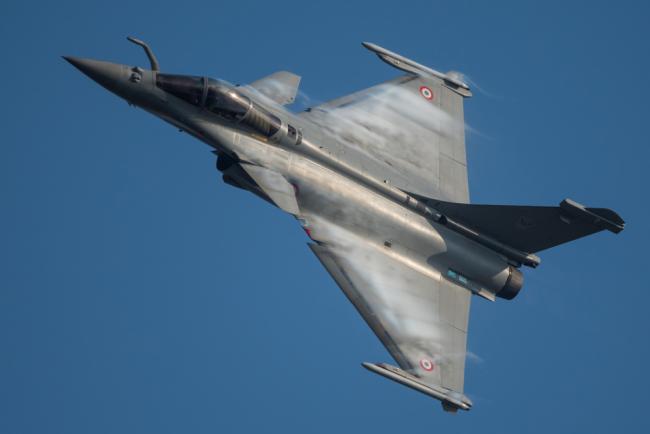
What Does It Mean to Be a European Defense Company Today?
In many ways, defense firms in Europe should be pleased with the recent uptick in defense spending.
Germany: The Power Out of Phase
Germany has enjoyed a decade of sustained economic growth, benefiting from a very low unemployment rate and considerable trade and budgetary surpluses. This phase is now coming to an end. Some even believe that the German economic model needs to be rethought.
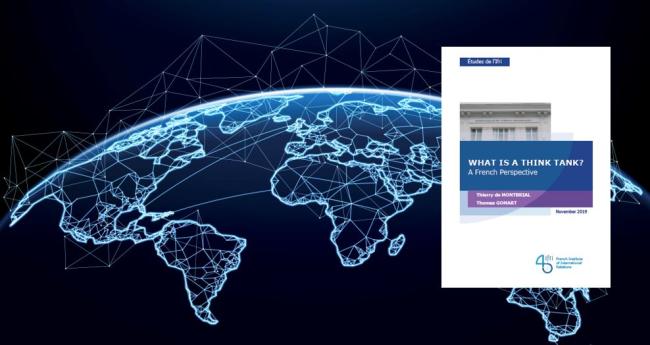
What Is a Think Tank? A French Perspective
The French Institute of International Relations (Ifri) celebrated its 40th anniversary in the spring of 2019, in a completely different environment to when it was founded, which was dominated by the competition between the two “superpowers” of the time, the United States and the Soviet Union (USSR).
French Foreign Policy in the Age of Polycrisis
Under the presidency of Emmanuel Macron, France has set itself the goal of strengthening its international presence, being more proactive and defining the European reform agenda. However, the French room for manoeuver is limited.