




Practical information
Themes and regions
Related centers and programs
This is a private event.
Learn more about our corporate support packagesUkraine’s post-Soviet transformation has entered a new stage with the election of President Zelensky and his ability to gain a parliamentary majority.
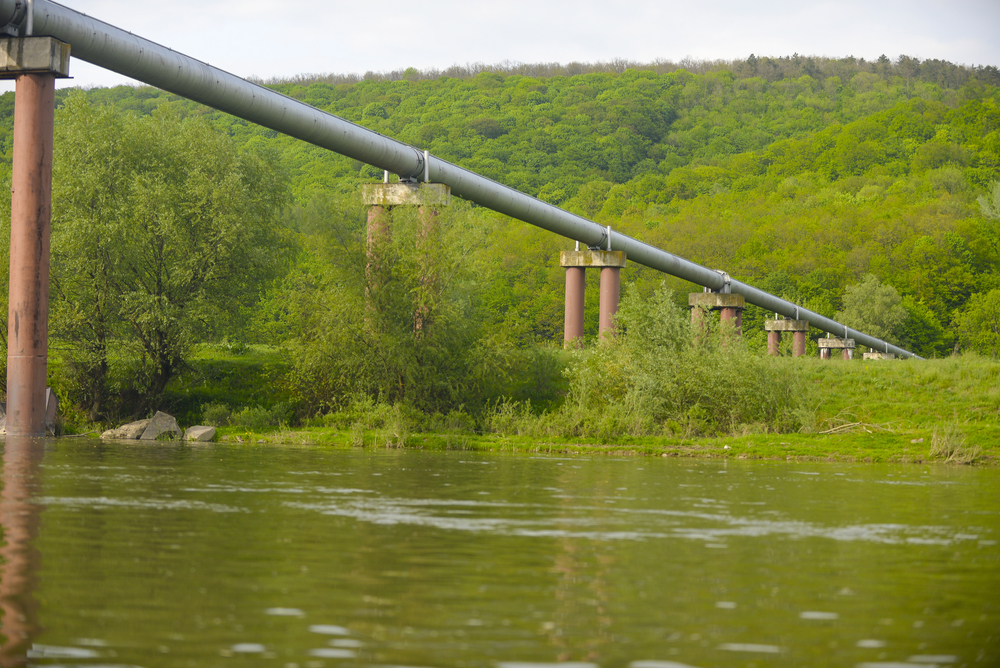
He has unprecedented powers and popularity to transform Ukraine: will this happen in the energy sector? Can the reforms of the gas and electricity markets be accelerated and energy efficiency finally change scale ? What is the gas situation and status of negotiations with Russia as the supply and transit contracts terminate by the end of the year?
Programme:
09:00 - 09:15: Introduction
Marc-Antoine Eyl-Mazzega, Director, Centre for Energy & Climate, Ifri
09:15 - 09:30: The strategic context
Pavel Klimkin, former Minister of Foreign Affairs of Ukraine
09:30 - 09:45: The status of energy sector Europeanization
Olena Pavlenko, President, DiXi Group
09:45 - 10:00: Strategic energy security priorities
Oleksandr Kharchenko, Senior Energy Advisor, National Security and Defense Council of Ukraine
10:00 - 10:15: The Russia-Ukraine gas negotiations and unbundling of Naftogaz
Vadym Glamazdin, Head of Government Relations, Naftogaz
10:15 - 11:30 Discussion
Discussant: Olivier Appert, Senior Advisor, Centre for Energy & Climate, Ifri
This debate will be held in English.
Related Subjects
Other events
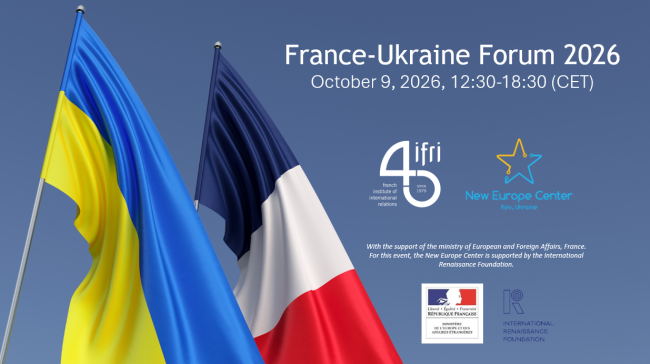
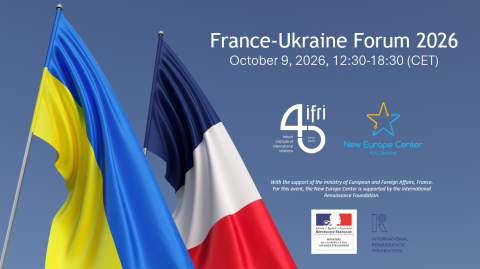
France-Ukraine Forum 2026
More than four and a half years after the start of the full-scale war launched by Russia against Ukraine, the 2026 France-Ukraine Forum will bring together policymakers, experts, academics, and civil society representatives from both countries to discuss three main topics: the formats and conditions for a lasting diplomatic settlement; Ukraine’s Euro-Atlantic integration, encompassing both the EU accession process and closer ties with NATO; and the societal transformations of postwar Ukraine, as well as its prospects for reconstruction.
The EU in a World of Economic Warfare: Trade, Geopolitics, and the Battle for Economic Sovereignty
The international trading system has become a primary theatre of geopolitical competition. Tariffs, sanctions, and technology controls have replaced dialogue as the default instruments of economic relations.
The Road to 27 Electrification Action Plans: Planning and Investing in Europe’s Electric Future
The European Commission’s Electrification Action Plan places the continent on an electric path to structurally reduce dependence on fossil fuel imports and boost the energy transition in industry, transport and buildings.