




The U.S. 2010 Midterm Elections - Is there still a place for Diversity?

Practical information
L'Ifri et la French-American Foundation, France organisent leur dixième séminaire dans le cadre de leur cycle “The Obama Presidency - Year 2: A Defining Moment?”.
L"appartenance à un groupe ethnique constitue un facteur identitaire fort pour les Américains. Africains-américains, latinos ou asiatiques conservent des préférences politiques particulières, ce qui fait de chaque minorité une cible de choix pour les partis politiques. Comment ces derniers cherchent-ils à gagner leur confiance sur le long terme ? Quels sont les thèmes ou propositions particulières qui seront mis en avant à l"occasion des élections de mi-mandat en novembre prochain ?
Avec la participation de Cornell Belcher, président, Brillant Corners Research and Strategies, ancien sondeur pour le DNC et Barack Obama (2008) ; Karen Finney, political Consultant, ancienne directrice de la communication, Democratic National Committee, DNC ; Fredérick Douzet, maître de conférences, Institut français de géopolitique (Tbc).
Présidence : Michel Garcin, président du directoire, French-American Foundation, France.
Other events
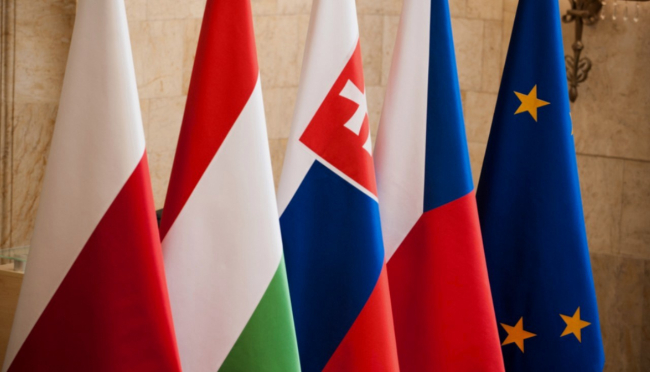
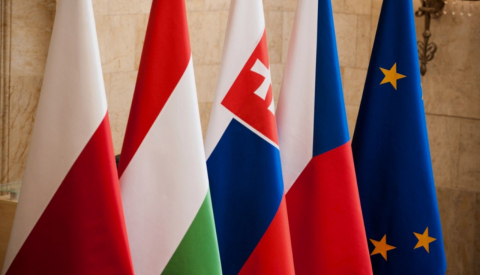
A New Moment for Central Europe? Regional Cooperation in a Time of European Strategic Choices
Recent political developments in Central Europe have revived the debate about the future of regional cooperation and the Visegrád Group. Changes in Hungary, Poland, the Czech Republic and Slovakia, together with Austria’s growing interest in closer cooperation with its neighbours, could create new opportunities for dialogue and coordination around shared priorities.
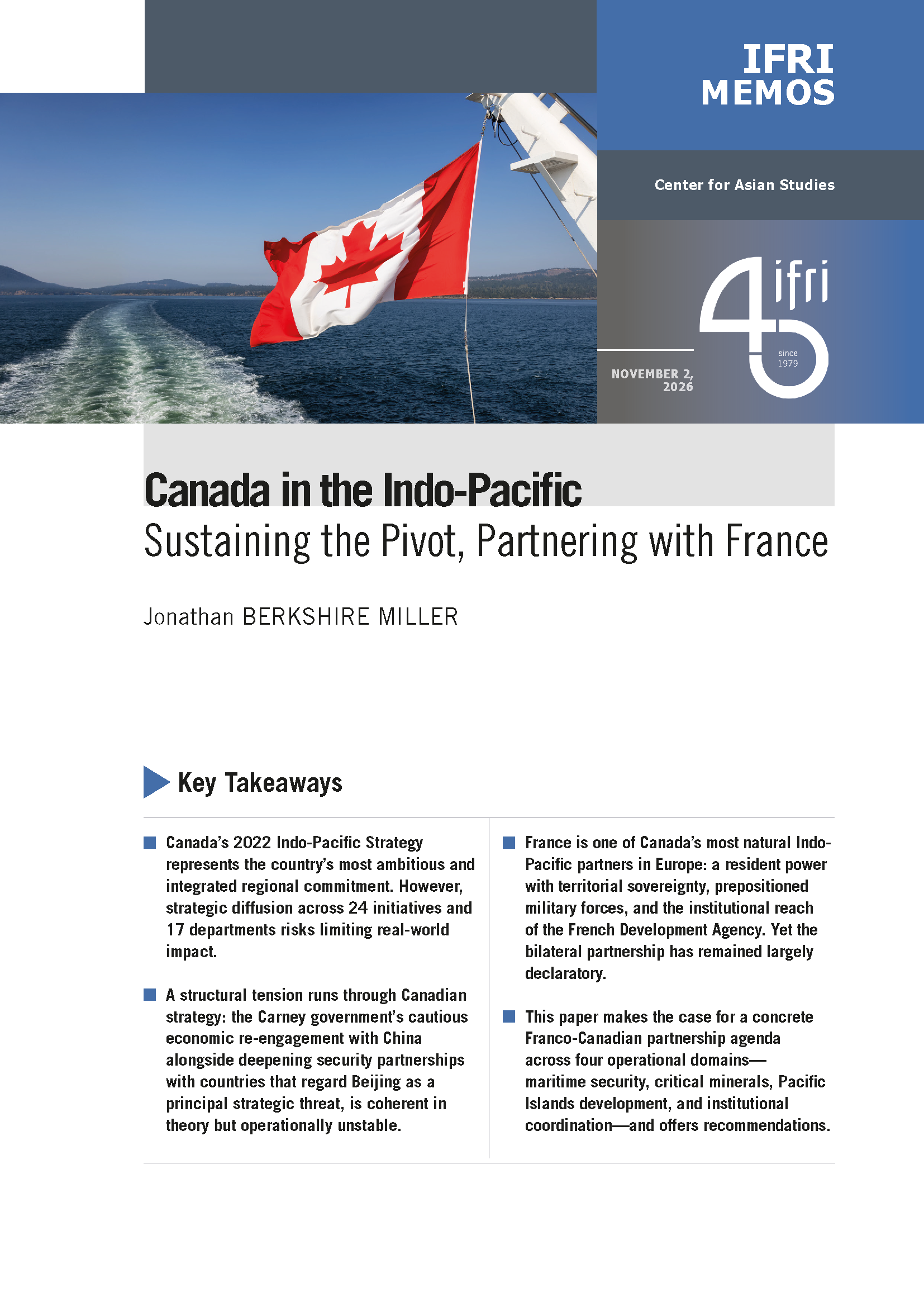
China’s Nuclear Buildup: Developments, Drivers, and Implications for Major-Power Relations and Arms Control
China has been steadily expanding its nuclear arsenal for several years amid levels of geopolitical tension unseen since the end of the Cold War, marked by a resurgence in nuclear proliferation and a broader, global arms race.

Reinventing Coordination in an Age of Fragmentation
The world economy is being reordered. The certainties of the post-Cold War era, open trade, dollar centrality, predictable multilateral coordination, are giving way to a landscape shaped by rivalry between the United States and China, the weaponization of interdependence, and a scramble to secure supply chains, technologies and critical resources. What once looked like a stable architecture now appears fragile, contested, and in places actively being dismantled.