




Practical information
The European Union faces a tough choice between federalism and fragmentation. The momentum for further integration is building up amid talk of ever more “Unions” - banking, fiscal, political etc. But there is also a disconnect between political ambitions and popular sentiments, with many making common cause with anti-European populist politicians. As member states pursue national interests at the expense of solidarity and a common agenda, the EU risks further disintegration.
Ten leading Brussels-based think tanks meeting for the fourth Brussels Think Tank Dialogue on April 22 will take a close look at Federalism or Fragmentation: Spelling out Europe"s F-word. They will be joined in the debate by President of the European Commission, José Manuel Barroso, and President of the European Council, Herman Van Rompuy, amongst others. Founder and President of Ifri Thierry de Montbrial will also be participating to the discussion.
Jointly organised by the Bertelsmann Stiftung, Bruegel, the Centre For European Policy Studies (CEPS), Confrontations Europe, the Egmont Institute, the European Policy Centre (EPC), Friends of Europe - Les amis de l"Europe, the Institut français des relations internationales (Ifri), Madariaga, College of Europe Foundation and the Stiftung Wissenschaft und Politik (SWP), the Brussels Think Tank Dialogues are annual policy forums for critical reflection on the state of the EU and the joint development of analysis and recommendations to improve EU policies. The Dialogues are designed to address pressing political concerns as well as to offer recommendations on more specific issues.
This fourth dialogue will be comprised of five plenary sessions which will provide cutting edge policy analysis and hammer out recommendations through open discussion. Two sessions will review overall EU concerns while the three others will focus on Energy markets, Industrial Policy as a potential drive for growth, and External Relations after the crisis.
Please use this link to register. The registration will be open until Friday, April 12th.
Other events
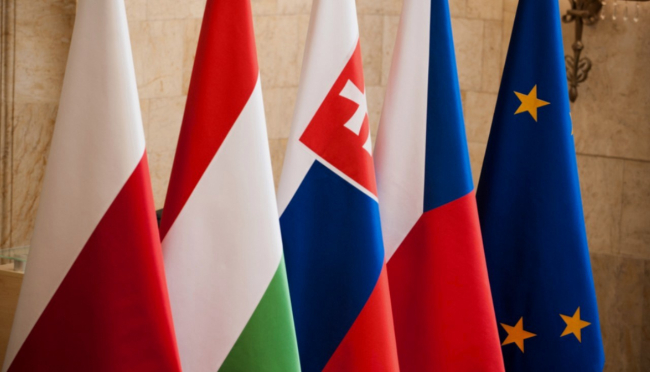
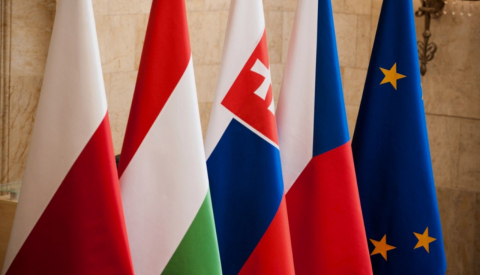
A New Moment for Central Europe? Regional Cooperation in a Time of European Strategic Choices
Recent political developments in Central Europe have revived the debate about the future of regional cooperation and the Visegrád Group. Changes in Hungary, Poland, the Czech Republic and Slovakia, together with Austria’s growing interest in closer cooperation with its neighbours, could create new opportunities for dialogue and coordination around shared priorities.
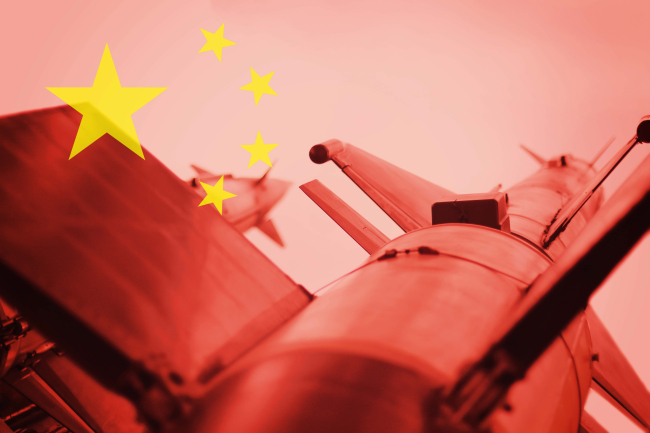
China’s Nuclear Buildup: Developments, Drivers, and Implications for Major-Power Relations and Arms Control
China has been steadily expanding its nuclear arsenal for several years amid levels of geopolitical tension unseen since the end of the Cold War, marked by a resurgence in nuclear proliferation and a broader, global arms race.

Reinventing Coordination in an Age of Fragmentation
The world economy is being reordered. The certainties of the post-Cold War era, open trade, dollar centrality, predictable multilateral coordination, are giving way to a landscape shaped by rivalry between the United States and China, the weaponization of interdependence, and a scramble to secure supply chains, technologies and critical resources. What once looked like a stable architecture now appears fragile, contested, and in places actively being dismantled.