





Practical information
Please register at [email protected], mentioning which panel you wish to attend. Due to the limited number of seats, please let us know if you cannot participate after registering, so that we can reattribute your seat.
PROGRAM
10-11:30am : Outlook from both sides on the eve of the presidential primaries
Ramesh Ponnuru, Senior Editor for National Review, Bloomberg View Columnist and Visiting Fellow at American Enterprise Institute
Joan Walsh, National Affairs Correspondent, The Nation, MSNBC Political Analyst
Moderator : Vincent Michelot, Director of Sciences Po Lyon University and Full Professor of American Politics
(The discussion will be held in English)
12-1pm : The U.S. economy
Florence Pisani, Economist at Candriam and Professor at Paris-Dauphine University
(The presentation will be given in French, with supporting documents in English)
3-5pm : U.S. leadership in the face of current international crises
James Goldgeier, Dean of the School of International Service at American University and President of the Association of Professional Schools of International Affairs
Maya Kandel, Head of the U.S. Program at the Institute for Strategic Research, Ecole Militaire (IRSEM) and Associate Researcher at Sorbonne University (CREW/CRAN Lab)
Alissa Johannsen Rubin, New York Times Bureau Chief in Paris, formerly in Afghanistan
Moderator : Laurence Nardon, Head of IFRI's North America Program
(The discussion will be held in English)
In collaboration with the U.S. Embassy in Paris

With the support of Viel & Cie and Clarence Westbury Foundation


Our most recent activites
On the current presidential campaign:
- Obama veut désarmer l'Amérique
- Trump-Clinton, le match de l'après-Obama
- "Un candidat qui n'a pas de comptes à rendre, ça séduit"
- Aux Etats-Unis, la nouvelle menace terroriste des "loups solitaires"
- Mark Zuckerberg dans les pas de Bill Gates ?
- Présidentielles américaines : ce que nous disent les primaires
- La primaire Républicaine reste encore très ouverte
- Comment votent les Américaines ?
On foreign policy:
Other events
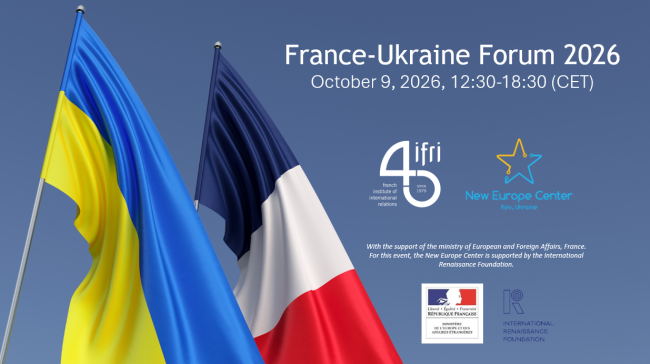
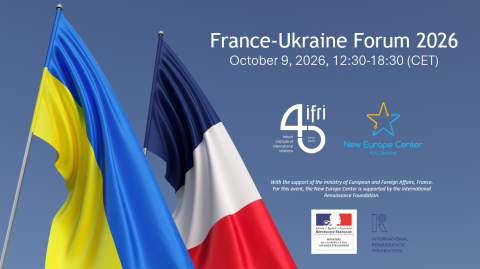
France-Ukraine Forum 2026
More than four and a half years after the start of the full-scale war launched by Russia against Ukraine, the 2026 France-Ukraine Forum will bring together policymakers, experts, academics, and civil society representatives from both countries to discuss three main topics: the formats and conditions for a lasting diplomatic settlement; Ukraine’s Euro-Atlantic integration, encompassing both the EU accession process and closer ties with NATO; and the societal transformations of postwar Ukraine, as well as its prospects for reconstruction.
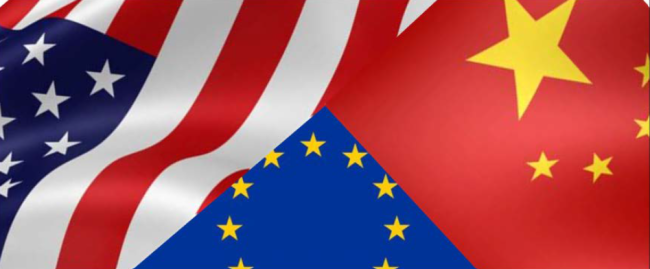
The EU in a World of Economic Warfare: Trade, Geopolitics, and the Battle for Economic Sovereignty
The international trading system has become a primary theatre of geopolitical competition. Tariffs, sanctions, and technology controls have replaced dialogue as the default instruments of economic relations.
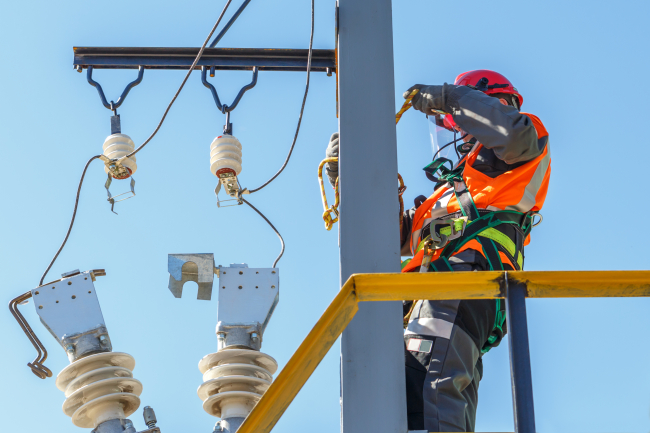
The Road to 27 Electrification Action Plans: Planning and Investing in Europe’s Electric Future
The European Commission’s Electrification Action Plan places the continent on an electric path to structurally reduce dependence on fossil fuel imports and boost the energy transition in industry, transport and buildings.