






Practical information
Conference organised by Ifri Center for Energy and CGEMP, Paris Dauphine University.
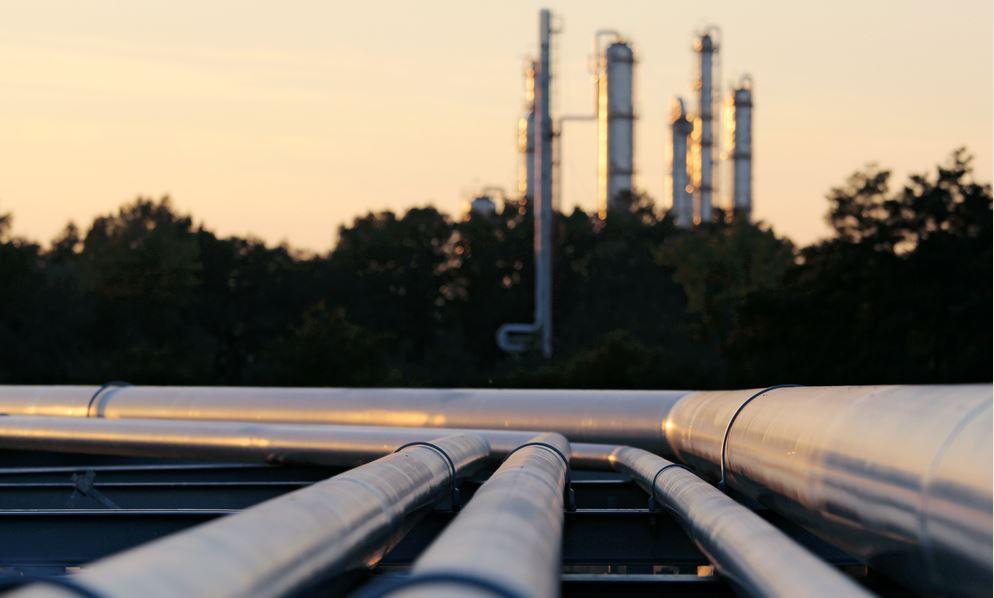
In a context of decline of the oil and gas prices and of economic sanctions, the Russian energy sector has to face several challenges. In the gas sector, the arrival of the US LNG exports encourages Gazprom to adapt its strategy in order to preserve its share on the EU market, its main client. Since 2014, the priority of Brussels is to diversify energy supplies and the reduction of its gas dependence towards Russia. However, the Russian gas has many assets, mainly its abundance and strong competitiveness. The conference will address the Russian and European energy strategies in a changing geopolitical landscape and will also look at the domestic challenges of the Russian oil and gas sectors.
Chaired by Thomas Gomart, Director of Ifri
Speakers :
- Olivier Appert, Senior Advisor, Ifri
- Sylvie Cornot-Gandolphe, Associate Research Fellow, author of the study "The US Natural Gas Export: New Rules on the European Gas Landscape"
- Patrice Geoffron, Professor, Paris-Dauphine University
- Tatiana Mitrova, Research Scholar, Center on Global Energy Policy, Columbia University
- Denis Simonneau, Member of the Executive Committee in charge of European and International Relations, Engie
- Iouri Virobian, President, Gazprom Marketing & Trading France
The conference will be held in English, under the Chatham House rule.
Other events
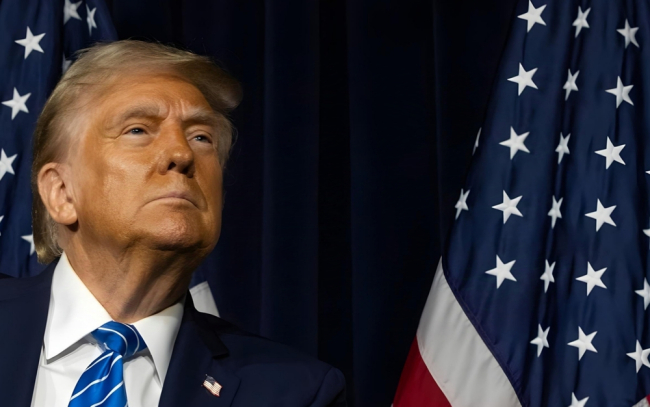
One Month Ahead of the Midterms: Where Is Trump’s America Headed?
The 24th edition of the Ifri Americas Programme Annual Conference will examine the dynamics at play in the United States and their implications for Europe and the transatlantic relationship. will examine the dynamics at play in the United States and their implications for Europe and the transatlantic relationship.
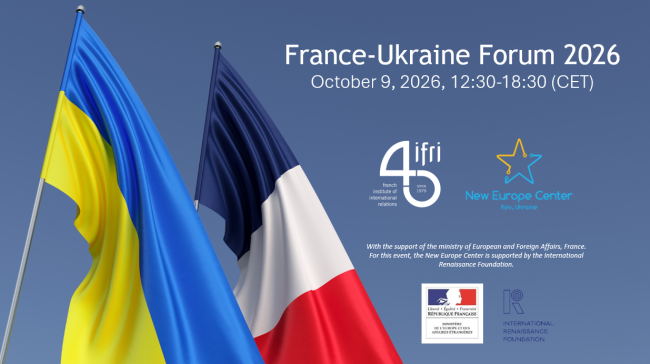
France-Ukraine Forum 2026
More than four and a half years after the start of the full-scale war launched by Russia against Ukraine, the 2026 France-Ukraine Forum will bring together policymakers, experts, academics, and civil society representatives from both countries to discuss three main topics: the formats and conditions for a lasting diplomatic settlement; Ukraine’s Euro-Atlantic integration, encompassing both the EU accession process and closer ties with NATO; and the societal transformations of postwar Ukraine, as well as its prospects for reconstruction.
The EU in a World of Economic Warfare: Trade, Geopolitics, and the Battle for Economic Sovereignty
The international trading system has become a primary theatre of geopolitical competition. Tariffs, sanctions, and technology controls have replaced dialogue as the default instruments of economic relations.