





Practical information
A "Les Jeudis de l'Ifri" videoconférence around Laurence NARDON, head of Ifri's North America program.

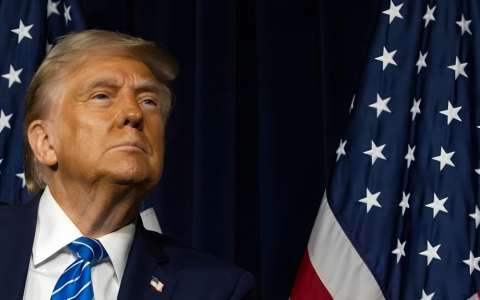
Up to today, whether with the vaccination campaign, the scale of the economic stimulus packages, or the steadfastness shown in the face of the Russian and Chinese leaders, President Biden has surprised with his pragmatism and his energy. If the professionalism of his teams contrasts with the practice of his predecessor, he nevertheless adopted some of the latter's policies, such as the return to certain forms of protectionism. Far from being a mere "Obama third term", the Biden presidency could thus be transformative in many ways.
Chair : Thomas Gomart, director of Ifri.
This debate is for corporate members only. It will be conducted in French.
Speakers


Find out more
Washington-Téhéran : l'élection de Joe Biden change-t-elle la donne ?
The recent assassination of Mohsen Fakhrizadeh, the father of Iran's nuclear program, echoes that of Qassem Soleimani in January 2020 and illustrates the policy of "maximum pressure" which has prevailed these past four years. In this context, Joe Biden's election gives rise to high expectations for the appeasement of U.S.-Iran relations.
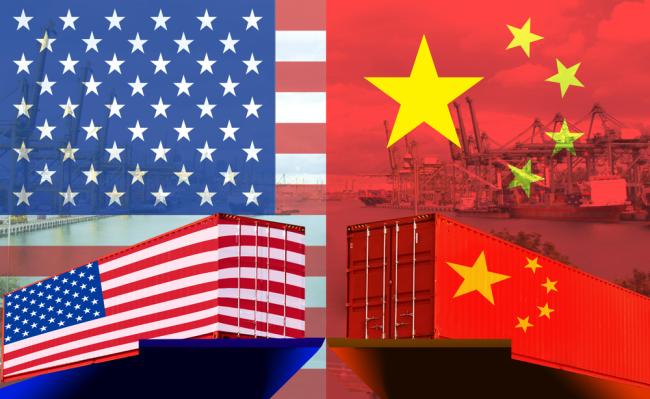
The US-China Trade War: What Is the Outcome after the Trump Presidency?
One of Donald Trump’s campaign promises in 2016 was to end China’s “cheating” on trade and to reduce America's trade deficit by imposing significant tariffs on U.S. imports of Chinese products. This study draws up a first assessment of his policy - and of the "trade war" which stemmed from it.
Related Subjects
Other events
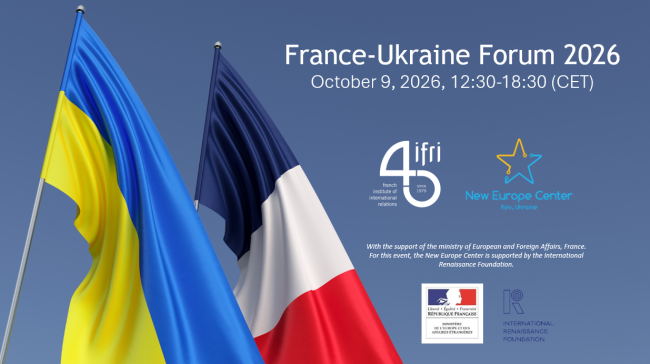
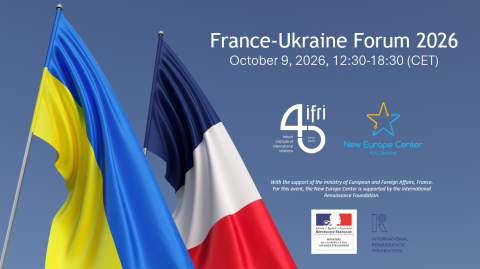
France-Ukraine Forum 2026
More than four and a half years after the start of the full-scale war launched by Russia against Ukraine, the 2026 France-Ukraine Forum will bring together policymakers, experts, academics, and civil society representatives from both countries to discuss three main topics: the formats and conditions for a lasting diplomatic settlement; Ukraine’s Euro-Atlantic integration, encompassing both the EU accession process and closer ties with NATO; and the societal transformations of postwar Ukraine, as well as its prospects for reconstruction.
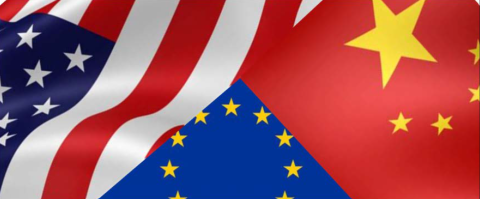
The EU in a World of Economic Warfare: Trade, Geopolitics, and the Battle for Economic Sovereignty
The international trading system has become a primary theatre of geopolitical competition. Tariffs, sanctions, and technology controls have replaced dialogue as the default instruments of economic relations.
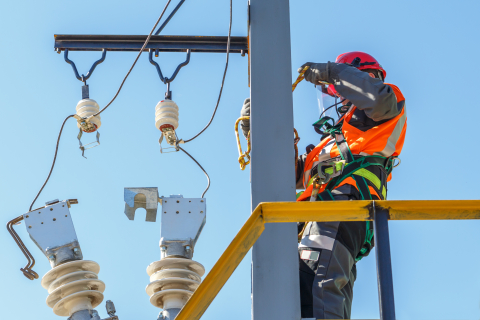
The Road to 27 Electrification Action Plans: Planning and Investing in Europe’s Electric Future
The European Commission’s Electrification Action Plan places the continent on an electric path to structurally reduce dependence on fossil fuel imports and boost the energy transition in industry, transport and buildings.