






Practical information
In January 2009, the United States celebrated with enthusiasm the arrival of its new President at the White House. One year later, they are doubting and more divided than ever. The economy, then, was going backward by 5% a year and finance was close to collapse. Today the recovery is here, the financial channels have started again but the unemployment rate remains higher than 10%. The aim of this meeting was to explain, at least partly, the transatlantic economic and political perspective ahead until the November mid-term elections.
Les Mensuelles Ifri / Entreprises receive the support of Crédit Mutuel
Other events
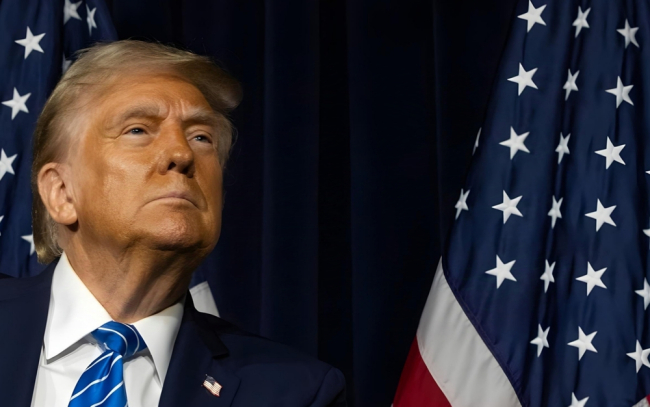
One Month Ahead of the Midterms: Where Is Trump’s America Headed?
The 24th edition of the Ifri Americas Programme Annual Conference will examine the dynamics at play in the United States and their implications for Europe and the transatlantic relationship. will examine the dynamics at play in the United States and their implications for Europe and the transatlantic relationship.
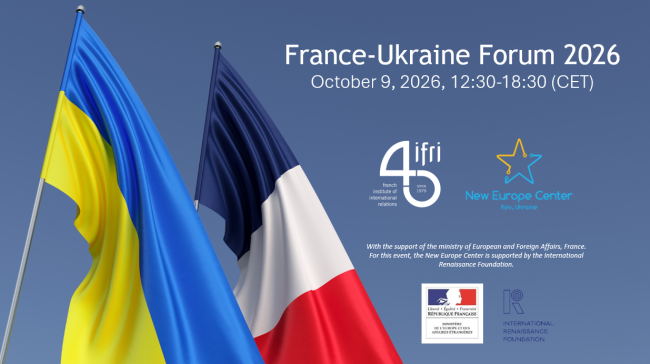
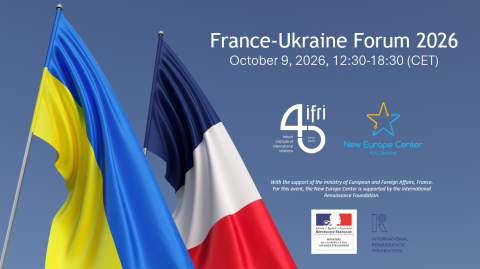
France-Ukraine Forum 2026
More than four and a half years after the start of the full-scale war launched by Russia against Ukraine, the 2026 France-Ukraine Forum will bring together policymakers, experts, academics, and civil society representatives from both countries to discuss three main topics: the formats and conditions for a lasting diplomatic settlement; Ukraine’s Euro-Atlantic integration, encompassing both the EU accession process and closer ties with NATO; and the societal transformations of postwar Ukraine, as well as its prospects for reconstruction.

The EU in a World of Economic Warfare: Trade, Geopolitics, and the Battle for Economic Sovereignty
The international trading system has become a primary theatre of geopolitical competition. Tariffs, sanctions, and technology controls have replaced dialogue as the default instruments of economic relations.