



Practical information
Workshop co-organized by
the China Reform Forum (CRF)
the China Beijing Environment Exchange (CBEEX)
and the French Institute of International Relations (IFRI)
"Green growth" is an increasingly employed concept that is making considerable headway in political discourse and economic policy, particularly in China and Europe. Yet interpretations of the concept and courses of action in search of green growth can vary considerably across countries and regions.
This workshop has two primary objectives. First, it aims to clarify the options and instruments available to decision makers when pursuing green growth. Following a conceptual discussion on the parameters of green growth and related policy instruments, particular attention will be paid to the Chinese and European experiences by appraising current policies and practices and analyzing the implications for business. Second, this workshop seeks to identify points of common ground between Europe and China on the issue of climate change and discuss options for a way forward in the lead up to negotiations in Cancun beginning at the end of November.
BY INVITATION ONLY
See also - Practising Green Growth: Challenges and Opportunities - at Ifri, Paris, 31/05/2011
Other events
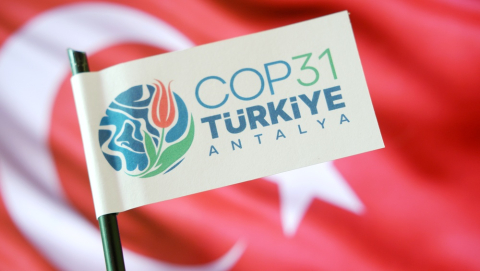
COP31 in Antalaya: State of the Global Climate Governance, Issues, Perspectives
COPs have become a year-end marathon to revigorate a world now entering the era of climate overshoot. While Türkiye exhibits the largest coal-fired power generation in OECD Europe, it has embraced the electrification agenda and aims at joining forces with Australia on fostering action and implementation. This is an unusual de facto co-presidency arrangement, but one that could yield promising results. This webinar will take stock of what climate governance has achieved and of the issues still to be negotiated, and explore what impetus this Turkish–Australian partnership could provide.
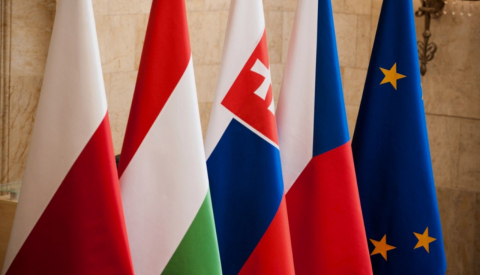
A New Moment for Central Europe? Regional Cooperation in a Time of European Strategic Choices
Recent political developments in Central Europe have revived the debate about the future of regional cooperation and the Visegrád Group. Changes in Hungary, Poland, the Czech Republic and Slovakia, together with Austria’s growing interest in closer cooperation with its neighbours, could create new opportunities for dialogue and coordination around shared priorities.