






The Chinese presence in Africa through extractive industry, loans and infrastructure
Practical information
As part of the Central and Southern Africa Observatory, a research partnership between Ifri's Sub-Saharan Africa Center and the Directorate General for International Relations and Strategy (DGRIS) of the French Ministry of the Armed Forces, Ifri is hosting a series of three research webinars on China's relations with Southern and Central Africa.

Since 2000, the Chinese presence in Africa has continued to assert itself. Beijing has become the main trading partner. The increase in trade flows between "the world’s factory" and a continent which remains a supplier of raw materials, has been accompanied by a diplomatic and security deployment. Southern and Central Africa bear witness to these trends.
The second webinar will discuss Beijing's trade strategy as well as the Chinese presence in the African extractive sector (taken in its broadest sense, i.e. also includes logging), in the construction and management of infrastructure as well as the issue of the growing indebtedness of the countries of the zone to the PRC.
Restricted event. By invitation only.
Chair : Françoise Thomas, Director of Ifri’s Center for Asia
Speakers :
- Mark Bohlund, Economist, Credit Research Analyst, REDD intelligence
- Selma el Obeid, International Development Expert, Gender and Policy Analyst
- Alicia Garcia Herrero, Chief Economist, Assistant Professor, Hong-Kong Business School
- Alain Karsenty, Socio-economist, Researcher, CIRAD
- Johanna Malm, Independent researcher, member of the Stockholm Observatory for Global China
- Thierry Pairault, Sinologist, Socio-economist and Emeritus Research Director, CNRS / EHES
The interventions and the debate will be held in French and English with simultaneous translation.
The videoconference will take place on Zoom.

Other events
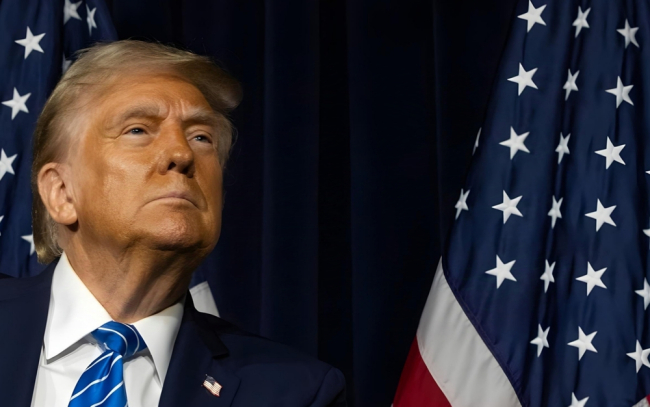
One Month Ahead of the Midterms: Where Is Trump’s America Headed?
The 24th edition of the Ifri Americas Programme Annual Conference will examine the dynamics at play in the United States and their implications for Europe and the transatlantic relationship. will examine the dynamics at play in the United States and their implications for Europe and the transatlantic relationship.
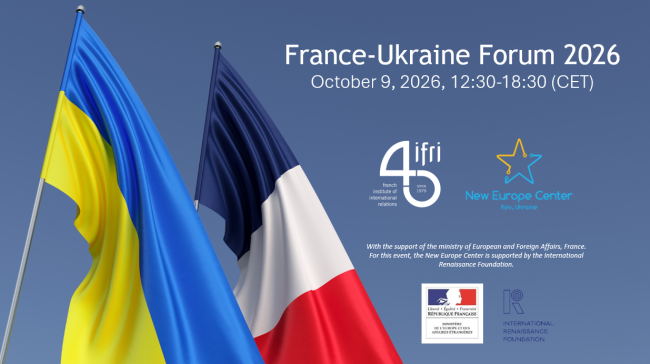
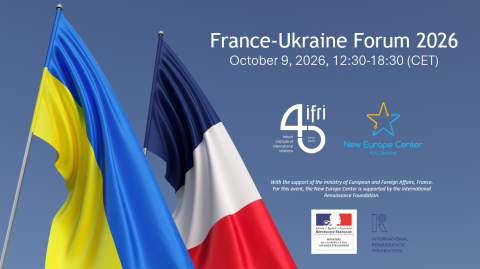
France-Ukraine Forum 2026
More than four and a half years after the start of the full-scale war launched by Russia against Ukraine, the 2026 France-Ukraine Forum will bring together policymakers, experts, academics, and civil society representatives from both countries to discuss three main topics: the formats and conditions for a lasting diplomatic settlement; Ukraine’s Euro-Atlantic integration, encompassing both the EU accession process and closer ties with NATO; and the societal transformations of postwar Ukraine, as well as its prospects for reconstruction.
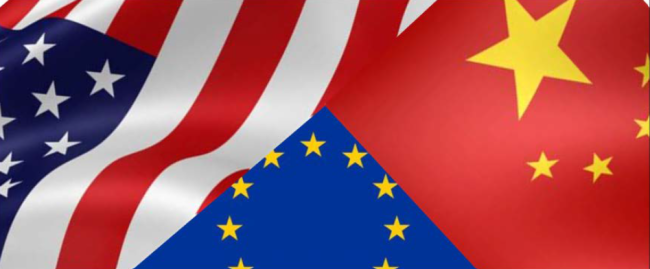
The EU in a World of Economic Warfare: Trade, Geopolitics, and the Battle for Economic Sovereignty
The international trading system has become a primary theatre of geopolitical competition. Tariffs, sanctions, and technology controls have replaced dialogue as the default instruments of economic relations.