





Practical information
With Dr Gordon de Brouwer, Secretary of the Australian Department of the Environment
In December 2015, Paris will be hosting the 21st Conference of the Parties to the United Nations Framework Convention on Climate Change (COP21). The ambitions are high: laying down the key principles of a binding global agreement to be implemented by 2020.
In the run up to this major milestone, CDC Climat Research and the Ifri Center for Energy are jointly organising « Climate Breakfast Roundtables » bringing together key stakeholders with the aim of sharing analyses on the climate policies adopted at local, national and regional levels and on the potential outcomes of the Paris Climate Conference.
For this first « Climate Breakfast Roundtable » on Tuesday 28 October, CDC Climat Research and Ifri are pleased to welcome Dr Gordon de Brouwer, Secretary of the Australian Department of the Environment, who will provide an overview of Australia’s domestic climate policy. His statement will be followed by a debate with the audience.
Related Subjects
Other events
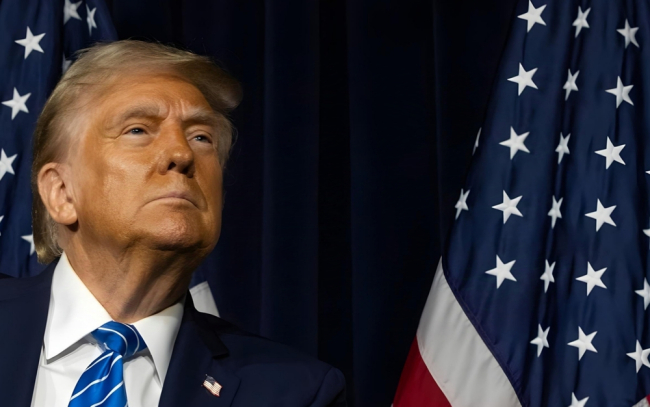
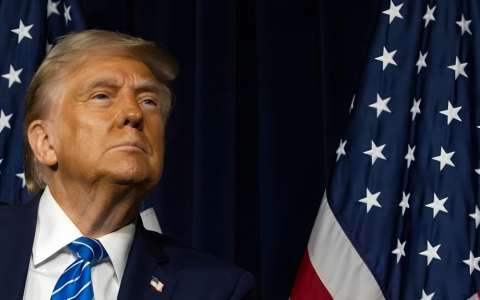
One Month Ahead of the Midterms: Where Is Trump’s America Headed?
The 24th edition of the Ifri Americas Programme Annual Conference will examine the dynamics at play in the United States and their implications for Europe and the transatlantic relationship. will examine the dynamics at play in the United States and their implications for Europe and the transatlantic relationship.
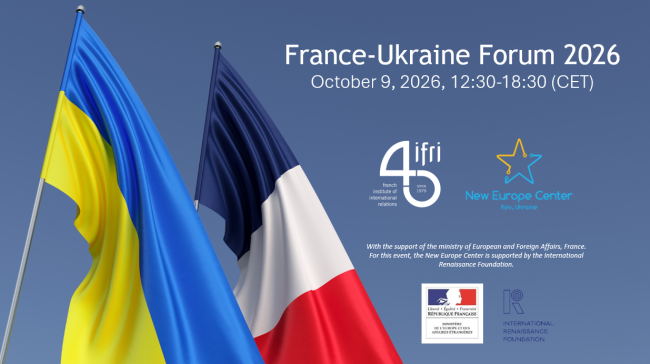
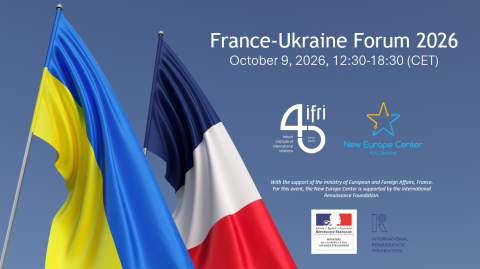
France-Ukraine Forum 2026
More than four and a half years after the start of the full-scale war launched by Russia against Ukraine, the 2026 France-Ukraine Forum will bring together policymakers, experts, academics, and civil society representatives from both countries to discuss three main topics: the formats and conditions for a lasting diplomatic settlement; Ukraine’s Euro-Atlantic integration, encompassing both the EU accession process and closer ties with NATO; and the societal transformations of postwar Ukraine, as well as its prospects for reconstruction.
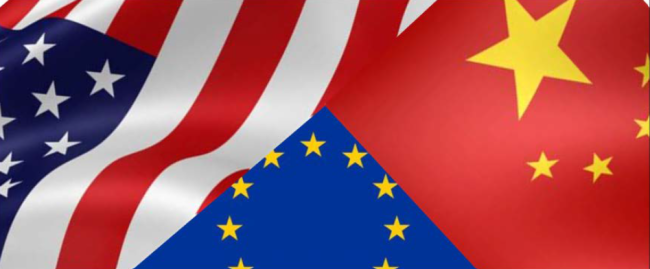
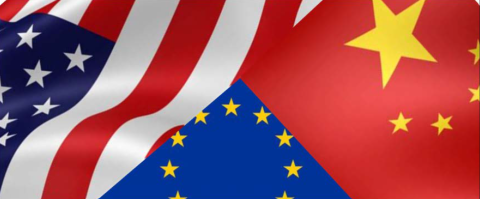
The EU in a World of Economic Warfare: Trade, Geopolitics, and the Battle for Economic Sovereignty
The international trading system has become a primary theatre of geopolitical competition. Tariffs, sanctions, and technology controls have replaced dialogue as the default instruments of economic relations.